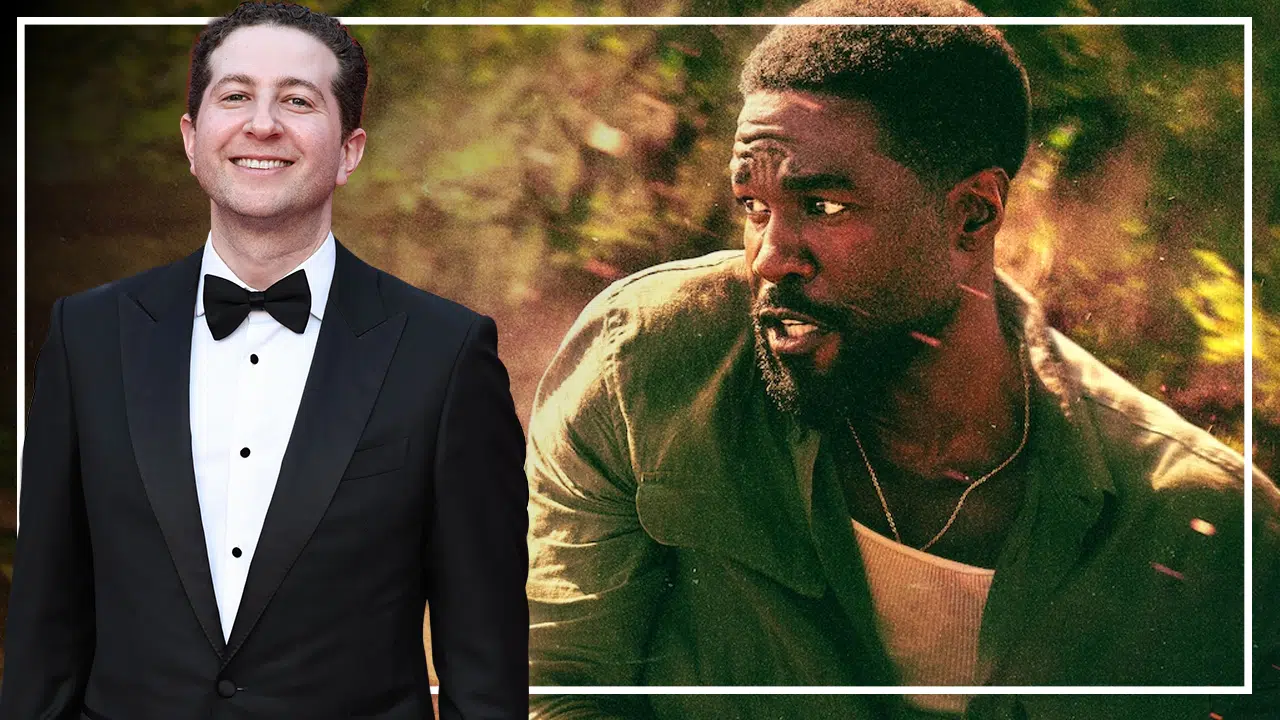
Picture Credit: Netflix / Getty Images
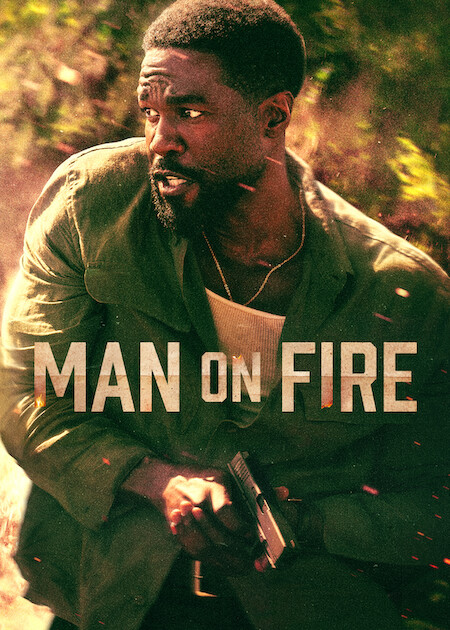
Composer Max Aruj wanted a raspy quality in Man on Fire. The word that most often gets tossed around to describe action-thrillers, and what producers want out of them, is muscular. For Aruj, he wanted a vulnerable sound for the Kyle Killen-created television series.
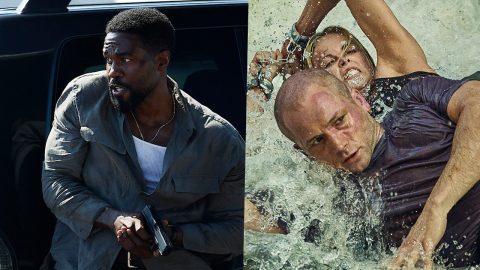
Bodyguard John Creasy (Yahya Abdul-Mateen II) is a haunted man. The score, to Aruj, needs to reflect that. Even when Creasy is throwing punches or dodging bullets in Rio de Janeiro, the composer of Crawl and co-composer of Mission: Impossible – The Final Reckoning didn’t only want physical pain highlighted by the score.
While speaking with What’s On Netflix for the hit action series, Aruj summed up his process simply: “As a composer, you’re writing music, but the music can’t overshadow what’s going on on screen or it feels wrong and you risk losing the audience member and them saying, ‘I don’t know why there’s this big music when this character’s just having a cup of coffee.’ You’ve got to pay attention to that.”
How’s your Monday going?
Just before we hopped on, I was looking on my phone and I saw an article saying Man on Fire is an instant streaming hit. So, I’m in an even better mood on Monday.
That’s excellent. Congratulations. Do you usually want to know how people are reacting to the work?
To be honest with you, I am checking. It depends on what phase I’m in, where maybe I’m looking at social media a little more or a little less. But I was checking on the weekend just to see how it was being received. In general, there’s been really a good response and people have been watching it around the world, which is exactly what you want to hear after you’ve been working on something for six months or in other cases, a year or more. To see that people are enjoying it and watching, that’s the best possible reward.
Tony Scott’s Man on Fire is a very maximalist experience, in the best way possible, but the tone for the series is very different. How’d you want to define this version of Man on Fire?
Well, speaking of Tony Scott, [composer] Harry Gregson-Williams is a legend and one of the best to ever do it. When I first heard about the project, I was very excited because I loved the movie. But also when I first had conversations with the Man on Fire team on Netflix, I asked, “So how are we feeling about Tony Scott and the original score by Harry Gregson-Williams?” And they said, “We’re branching off and doing our own thing here.”
It was both a sigh of relief and a situation of, okay, now I got to get to work and come up with some fresh sounds and some original ideas. So the guitar motif, which you hear in the main titles, was something that we drew on for the whole series. But overall, the score still needed to be thoughtful and intimate because this guy is someone who needs healing and is looking for redemption. The concept of the character, I believe, demanded the same sort of treatment where he’s a multifaceted character, so we need to pay attention to all of it.
You have some great vocalists on the score, like on the track “Rio de Janeiro.” How’d those voices come together? How’d you want that track to define the location as well?
That’s a great question because a track like that was made in steps. It wasn’t like, “Oh, I’m just going to write this piece that has orchestra and percussion.” That’s not how it came up. It was more so there was a really exciting scene in Ep. 1. I won’t give anything away, but there are percussionists on screen and we needed something that was wild and intense when Creasy’s going through a moment. And then I thought, “Well, hold on, this percussion is awesome. The Man on Fire theme that’s track 23 on the album, this kind of intimate emotional track, why don’t I kind of work it into this percussion and do a new variation?” And then I started to do that and I thought, “Whoa, this is really going somewhere.” And then we had the vocal percussion from Maroka Paris and then I thought, “You know what? He should just do some really awesome legato improvisation on this thing.”
And then it took some time, but to blend the percussion and then having an orchestral theme, and then the icing on the cake was to have this vocal improvisation. It really had to be worked in just right. Some of the best music might sound effortless. To me, when we finally locked it in, I was like, “Oh, whoa, this sounds so natural.” But it’s hard to get that feeling where it feels composed, there’s these big themes, and then some really huge percussion bed that has solos in it, and then another pitched element, the vocal legato improvisation on top. It took time to get that fitting just right. And then to mix it also was a whole other thing.
“Man on Fire,” which is track number 23 on the album, was one of the first cues you wrote for the show, right?
When I got signed on, I wrote six tracks, and that was one of them. I needed something. I wanted to showcase something that started very intimate and emotional and then grew to become something grand and heroic. So I wanted to present that in the first batch alongside a few others because I knew that after watching Ep. 1, there’s a lot of emotion, a lot of reflection, and it’s quite contemplative. I needed music that could cover that. Because at first, after I wrote these six themes, they said they liked them and they said, “Why don’t you go ahead and score the first episode?”
How’d those first few songs really set the tone for you?
What I was going to say was that in order to score Ep. 1, you need emotional mileage and music that can carry that. I was glad that it worked. There were some notes and some rewrites, but in general, especially starting a show and the exposition of who this character is, we need music that can be gentle, let us watch Yahya act. For example, there’s a montage towards the beginning and I was talking about it with my friend and he was surprised at how emotional that was. I knew that that had to land in Ep. 1 or else the audience wouldn’t be connecting with the character.
Let’s get into that. In episode one, you see Creasy struggling with PTSD and suicidal thoughts. As a composer, how do you want to be respectful of scoring those scenes?
I think the answer is that it takes experience to know how to handle some of these really heavy scenes. That’s one topic that needs to be treated with utmost importance. There’s a few others, but sometimes you might even look at a scene and say, “Maybe this should just be silent with no music.” But in this situation, I composed it in such a way that there’s a few peaks and valleys. It’s not an accident that the music — it’s still there — but it dips quite a bit for these really tough moments where you’re thinking, “What is he going to do right now?”
And so, the dynamics can come down, the texture can thin out. And then the good thing about that is that then you have an opportunity to build again. It takes a lot of practice to know how to thin out the music and make way, to leave the harmony unresolved so the audience is on the edge of their seat and they’re going, “Oh my God, what’s he going to do right now?” The day when I was working on that scene, I’d spent many hours just planning, where’s it going to be intense? Where’s it going to cool off?
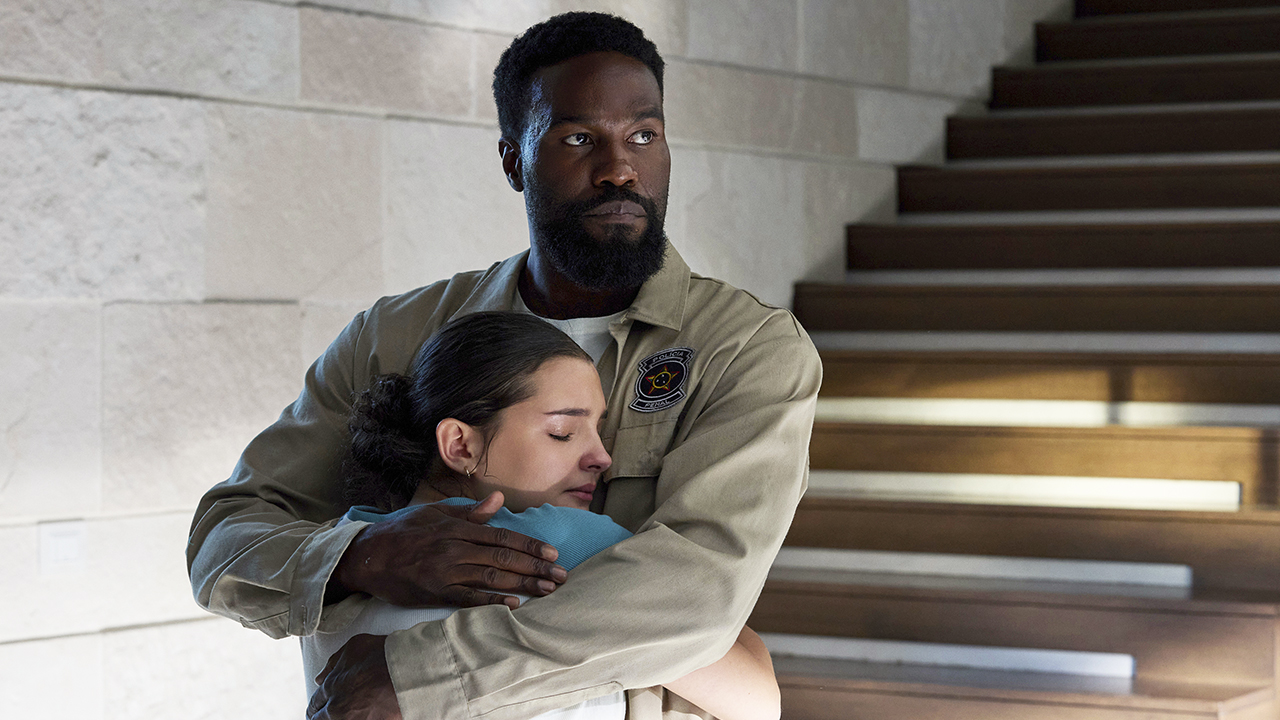
Cr. Juan Rosas/Netflix © 2024
Being very character-driven as a composer, how do you want the music to remain character-driven during the action sequences?
I’m thinking of the fight scene in episode one. There are times where one character is on the front foot, there are times when another character’s on the front foot, there are times when someone is losing. So, that gives you an opportunity to play a little emotion where you’re thinking, “Oh my God, our guy, what’s going on? We need to be rooting for him.” Or there might be a moment where he’s pumping himself up, or there might be a moment that’s super visceral and then he gets knocked down. So, you just need to break down and see a few of these different moments and make space to have a little fear, have a little victory, have a little wild expression.
And in one of the tracks, there’s kind of this battle cry that we use in that scene as well when things get really, really muscular, I’ll say.Finding different places for those and space for those is important.
As a composer, it’s always an interesting challenge working with sound design and sound effects. How do you want music to dance with the sound of gunfire or explosions?
Every project is different. You might have final sound effects when you’re writing music, or you might have temp sound effects, or sometimes there might be no sound effects. What ends up happening, I feel, you kind of overscore things because you might not know what the final sound effects, what the punching sounds are or what the gunfire is. You need to be prepared.
Your track might be a little bigger and you might overscore a scene so that if you need to be competing with gunfire, that depth exists within the music. And then you have a great music editor. On this one we have Robin Whittaker, and there might be a situation where she mutes eight out of 10 stems because it’s too busy, or she might just raise the level of five stems and lower the other two because it’s getting in the way of dialogue.
You need these people on your team because in the final hour, there might be just new elements in the film or TV show you didn’t even know about. Meanwhile, you are in your studio, continuing writing another episode. Then with Robin, you’re going to rely on her to take care of these new elements that are coming in on the previous episode so that the post supervisor is getting all of his latest stuff in. It’s very exciting, it’s an exciting workflow. It really is.
I also imagine it requires a lot of flexibility and the right amount of preciousness.
Exactly. I think that’s a mistake that a lot of young composers make, where they’re too precious about something. Again, it just takes a few years to know, you know what, let this one go. If the music is a little lower than you expected here, or maybe they’re starting the whole cue a minute later, if they’re doing that, they’re doing it for a reason. I might ask and I say, “I’m just curious, why did you bring it in here?”
The post supervisor, Paul, might say, “We watched it down with Kyle, the showrunner. We feel like we don’t need music throughout the whole dialogue scene. Let’s just start it later towards the end of the scene when this really pivotal interaction occurs.” You know, there might be one piece of dialogue that is far more important than the rest. Then it allows the audience to zero in on that one fact.