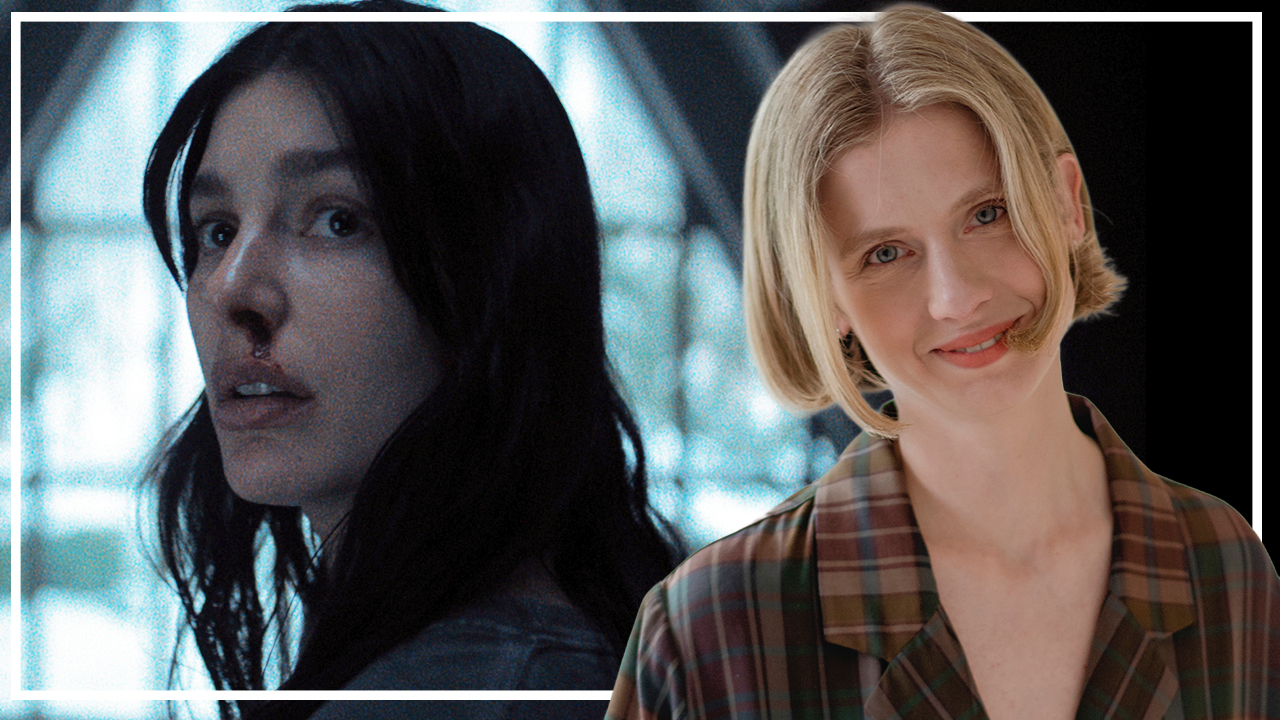
Picture courtesy of Netflix and Weronika Tofilska
Director Weronika Tofilska sets the bloody stage for Something Very Bad Is Going to Happen. The director, known for Baby Reindeer and co-writing Love Lies Bleeding, directed the first two episodes of the horror series, titled “Never Got on One Knee” and “Bride Shaped-Hole.” Episode one is a horror story with the groom and bride to be on the road, while episode two is a claustrophobic tale of family and paranoia.
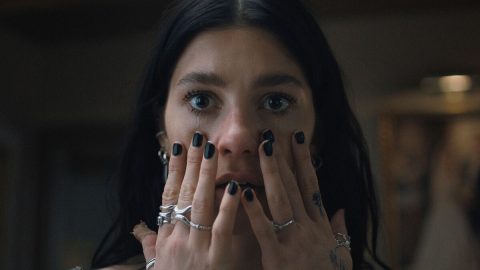
Two different flavors of horror, but both full of anxiety and doom for Rachel (Camila Morrone). “In episodes one and two, we have to be in her head,” Tofilska told What’s On Netflix, “in order for the audience to buy into what she’s feeling and what she’s thinking.” In episode seven, the director also crafts a furiously paced penultimate episode in which every second is fearful.
Recently, she spoke with What’s On Netflix about crafting anxiety and death in the Haley Z. Boston-created Something Very Bad Is Going to Happen.
You’ve cited director Jonathan Demme and Silence of the Lambs as big influences when you were directing episodes of Baby Reindeer, so how surreal was it having Ted Levine look into your camera?
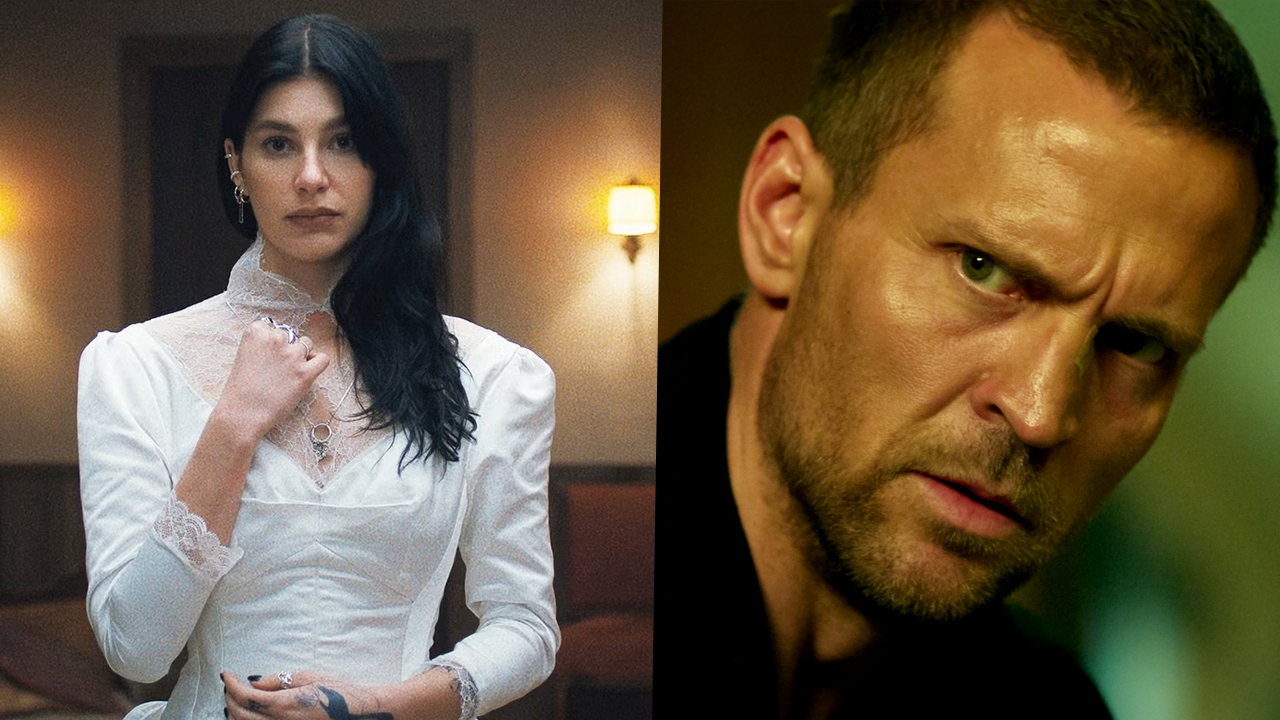
I know, I know. Wow. It was really a kind of pinch me moment, for sure. He was generous enough to share a few stories about it, which was great. He was definitely one of the actors that I didn’t have to explain what we’re doing, too. He was like, “Oh, I know exactly what you’re doing. Don’t worry.”
With the camera? What were some of those moments?
There were a lot of scenes initially very much about Rachel seeing the family in a certain way. We saw things from her perspective. There’s a scene with Boris (Levin), but a bigger dialogue scene when he sees her in the dress. Obviously, the way she sees the character is not exactly what he’s necessarily doing, not to spoil too much, but she’s very suspicious at this point of him.
Whereas I think the reasons why he’s reacting a certain way are very different. But he really understood what we were doing, in terms of both keeping the truth of the grieving character and knowing he also had to appear a certain way. From Rachel’s perspective, he’s quite ominous.
Obviously, having this experience working on one of the best films ever made made it much, much easier for sure.
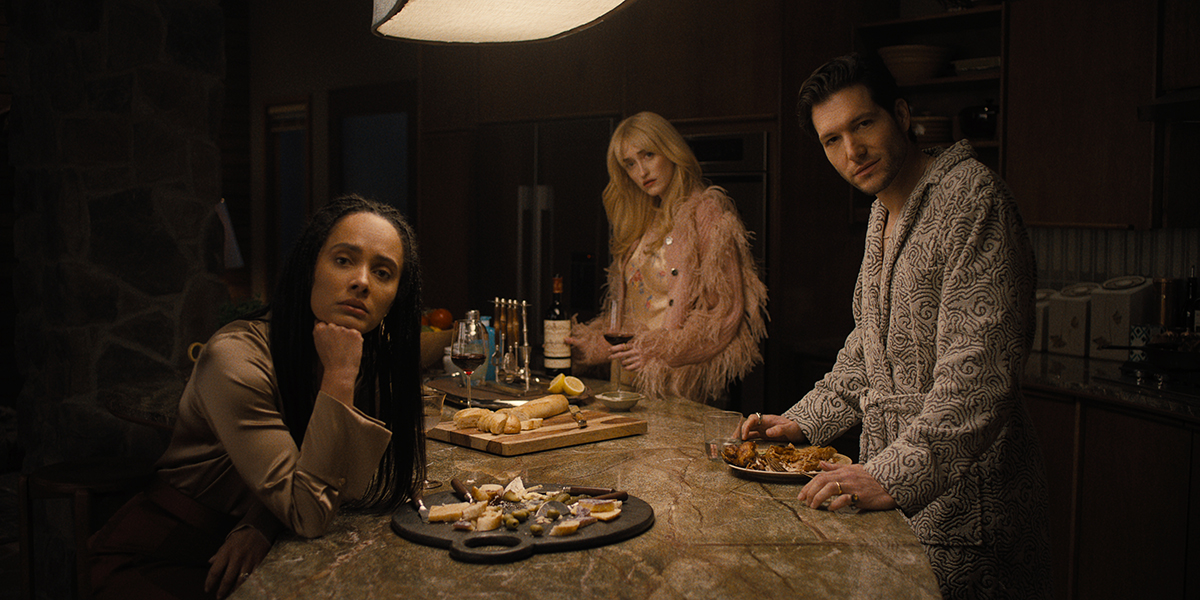
Something Very Bad Is Going to Happen. (L to R) Karla Crome as Nell, Gus Birney as Portia, Jeff Wilbusch as Jules in episode 101 of Something Very Bad Is Going to Happen. Cr. Courtesy of Netflix © 2026
When Boris says, “Get out of the dress,” the sound carries in an unnatural way. How’d you want not only the camera but the sound to represent Rachel’s perspective?
A hundred percent. The heightened quality of it was really important, which is something that you do in horror a lot. You zero in on a very specific sound, whether this is a creaking or a footstep; it’s almost like everything else disappears. It is a stylized thing, but psychologically, it’s quite real. I think that happens in life when you’re in this hyper-anxious state of hypervigilance and hyper-awareness, which Rachel definitely is. It was important to get into her head and hear exactly what she’s hearing in the moment as much as see exactly what she’s seeing in this moment.
When you first spoke with Haley about the show, how’d you two discuss really presenting her anxiety and how it influences her point-of-view?
The first conversation I had with Haley was very much the feeling that we are kind of all Rachel. I don’t mean everyone is Rachel, but one of the reasons why I wanted to do this is because in the interview with Haley, I was like, “Well, I think something very bad is going to happen all the time, so I completely relate to this.”
I’m quite an anxious person and sort of see danger everywhere. It really spoke to me, not only because the themes are obviously about what a young woman and partnership and wedding and fear of these big moments in life, but also, the way that an anxious brain works. There’s how you pick things that are potentially dangerous to you and how you focus on it. And then what I love about the show is that it’s playing both with this idea that sometimes you’re wrong about these things.
For example, she’s wrong a bit in episode two, but ultimately, she’s really right. It’s that kind of thing, you’re very anxious and you say, we are all going to die, but every now and then it’s the truth.
It’s great how you connected to Rachel, because horror just seems like such a cathartic genre to confront what scares us.
A hundred percent. I think that’s why horror is such a great genre and why people gravitate towards it. Because some people think it’s like a masochistic thing, watching awful things happening on screen or cruel or violent things happening. But I think it is a coping mechanism. Safely from the perspective of a cinema seat or our couch, we can experience this horrific moment in a way that purges these fears that we have inside. I think what I’m trying to say is, it’s like a real service that we provide to people.
Horror is about as personal as you can get. Fear is extremely personal.
Very much so. It’s like the most primal thing. So just to answer your initial question, Rachel, the way Haley wrote it, it was so clear to me who she is from the first page. We didn’t necessarily have to clarify things. We were talking more about how we can translate it to screen in a successful way? Who should play Rachel?
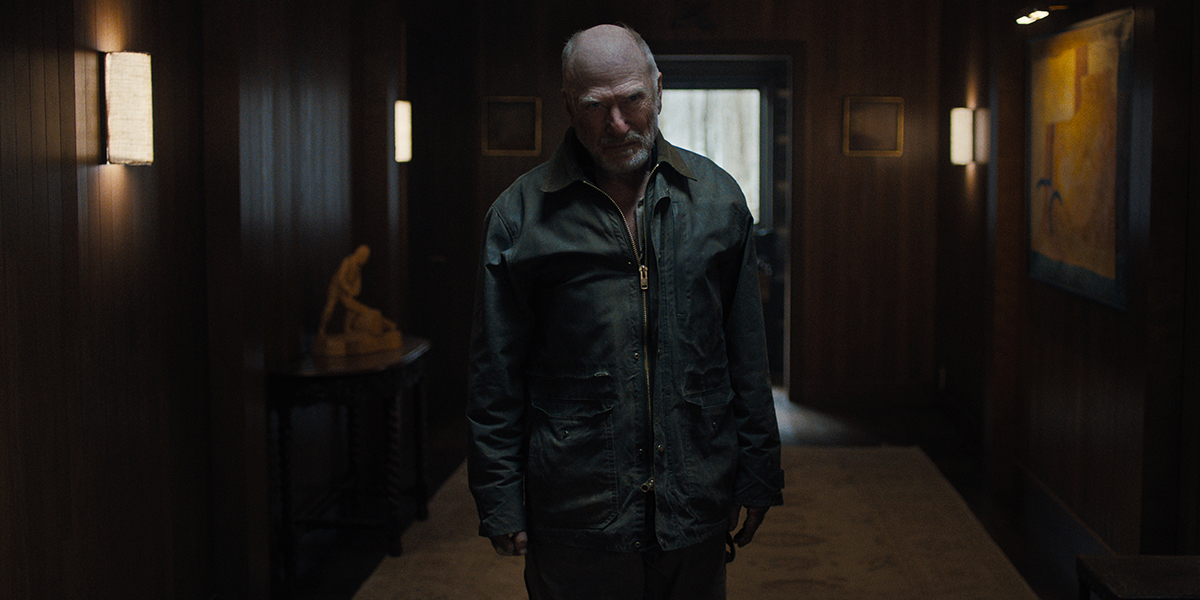
Something Very Bad Is Going to Happen. Ted Levine as Boris in episode 102 of Something Very Bad Is Going to Happen. Cr. Courtesy of Netflix © 2026
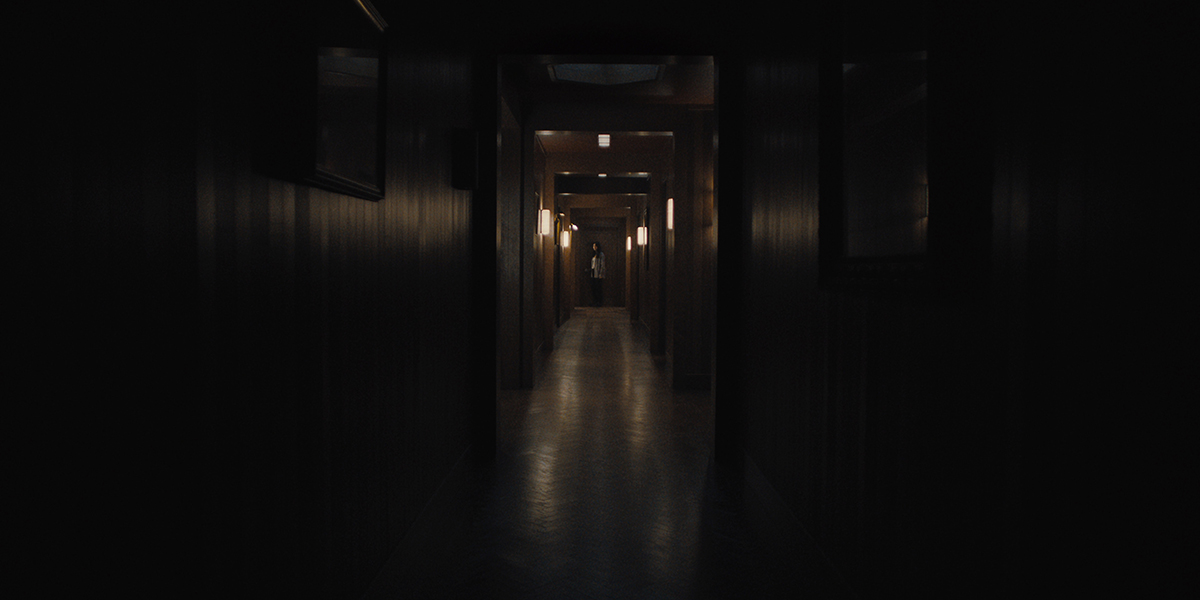
The house itself is such a jigsaw puzzle. Did you want to play with geography, a sense of place as well?
In a way we didn’t necessarily have to do it because of the way the house is, I mean, I would give an award for anyone who can draw it out of this place [Laughs]. But even after shooting and prepping for months, I would still ask people, which way we are going? Because I’m not quite sure.
We had this amazing production design, Dick Lunn. He really understood that it’s not just about building a beautiful set or finding a great location and then doing that. It’s about really the combination of what’s in the script, how are we going to shoot it? And ideally, the set is designed sometimes to the shots.
It’s a very rare thing that you have that kind of luxury that you can actually work with someone and just say, “In this episode, it’s all about the journey of the character. It would be really helpful if this room was next to this room and not that room.”
For example?
If we want to, for example, continue the journey in one shot, or can we have a door that goes in, but a door that goes out of the room as well so we don’t have to reverse, we can just always go forward. These kinds of things were really great, or building all these walls that could move or camera traps, etc., making it extremely camera friendly as much as looking gorgeous on screen.
Death’s point-of-view is very important to show as well. When audiences get that objective perspective, how’d you want to create a sense of death?
This was something that was a big part of the conversation early on, which was that apart from Rachel’s point of view, every now and then there will be this almost opposite point of view, which is what we called it. I think Haley called it very bad POV, basically [Laughs]. It was supposed to represent death.
There’s this almost literal moment in episode four when she points almost to the camera and shows the presence of death in the room. And so, even though that happens in episode four, slowly we introduced elements to it in the earlier episode. In episode three, there’s this big opening when we really introduce it properly. There was a lot of conversation about how we do it.
How did you do it?
There were special things that you put on the lens called Deakinizer that were used. The DP from my block, Krzysztof Trojnar, and Bobby [Shore], the DP from the other block, collaborated together, finding the right piece of equipment. You put the Deakinizer on the lens and it gives you this blurry edge effect.
But on top of that, there’s a lot of things about how to make sure that we can put the lens as close to a wall as possible or as low as possible. Sometimes there was a special lens used as well that was offsetting where the normal lens and the camera body is, so you can go under things. The purpose was to make it feel gradual and as humanly as possible in terms of both how it moves, but how fast it moves.
For Baby Reindeer, you made a list of inspirations on Letterboxd to share with the cinematographer. What was on the list for Something Very Bad Is Going to Happen?
I did. Well, I have Twin Peaks, obviously.
That makes sense.
I don’t think any of this is going to surprise anyone, actually. The Shining, Fargo, and Ari Aster (Hereditary), obviously, and The Invitation. Not necessarily the same genre, there’s definitely Kill Bill. There’s a very indirect reference for the episode eight scene when Rachel is bleeding and walking into the Atrium. We were sort of thinking it should look a bit like Lucy Liu and Uma Thurman’s fight at the end of Kill Bill.
There’s Carrie, Rosemary’s Baby, Funny Games, which was another one that I think was mentioned maybe by Haley before. And The Vanishing, which was a bit of a reference for episode one as well for us, some more David Lynch, Lost Highway. Also, something like [Ang Lee’s] The Ice Storm, which is a bit more of a family drama. It has tension set in this quite a wintery, harsh landscape. So, a mix of everything, but obviously I love horror.
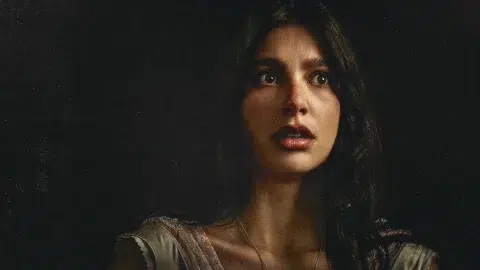
Something Very Bad Is Going To Happen. Camila Morrone as Rachel Harkin in episode 101 of Something Very Bad Is Going To Happen. Cr. Courtesy of Netflix © 2026
Like you said, it was a long casting process to find who would play Rachel. How did you and Haley connect with Camila? What did you really connect with in her performance?
What I think the biggest challenge is that Haley writes a dialogue in a very specific way. It feels very fresh. It feels very modern and natural. At the same time, there’s a lot of comedy. You have to hit certain parts in the right way. It has to have a certain energy. You can’t feel overcooked like you’re trying too hard. It just has to feel like this is just the way this person talks.
When we had Camila in the first audition, she got that rhythm so naturally. She’s natural. She’s so full of life and really engaging, really charismatic, but also, you believe that she’s neurotic. You could kind of fall into the trap of someone who’s tortured and brings the whole piece down, as well, because you’re too in her head and there’s a lack of lightness.
She doesn’t overplay the anxiety.
These kinds of roles are extremely hard to pull off. She makes it look so easy, but actually, she has to sell all this. She has to sell that she’s cursed. She has to have extreme emotions, crying, shouting, all that, but without making it very melodramatic. At the end, she also has to be funny and charming and make everything a bit light. It’s an extremely hard job for an actor to be in horror with that tone.
 Rating: TV-MA