
Picture Credit: Netflix
A director with a career spanning just over 20 years now, Han Jun-Hee had plenty to reflect on at his masterclass session at Netflix and Busan International Film Festival’s Creative Asia, a day of panels by industry professionals and artists. The session, titled Making Unexpected Stories Resonate, moderated by Kim Kijae, Manager of Content (Korea) at Netflix and also a long-time producing partner of Han’s, went through the director’s series projects for the streamer.
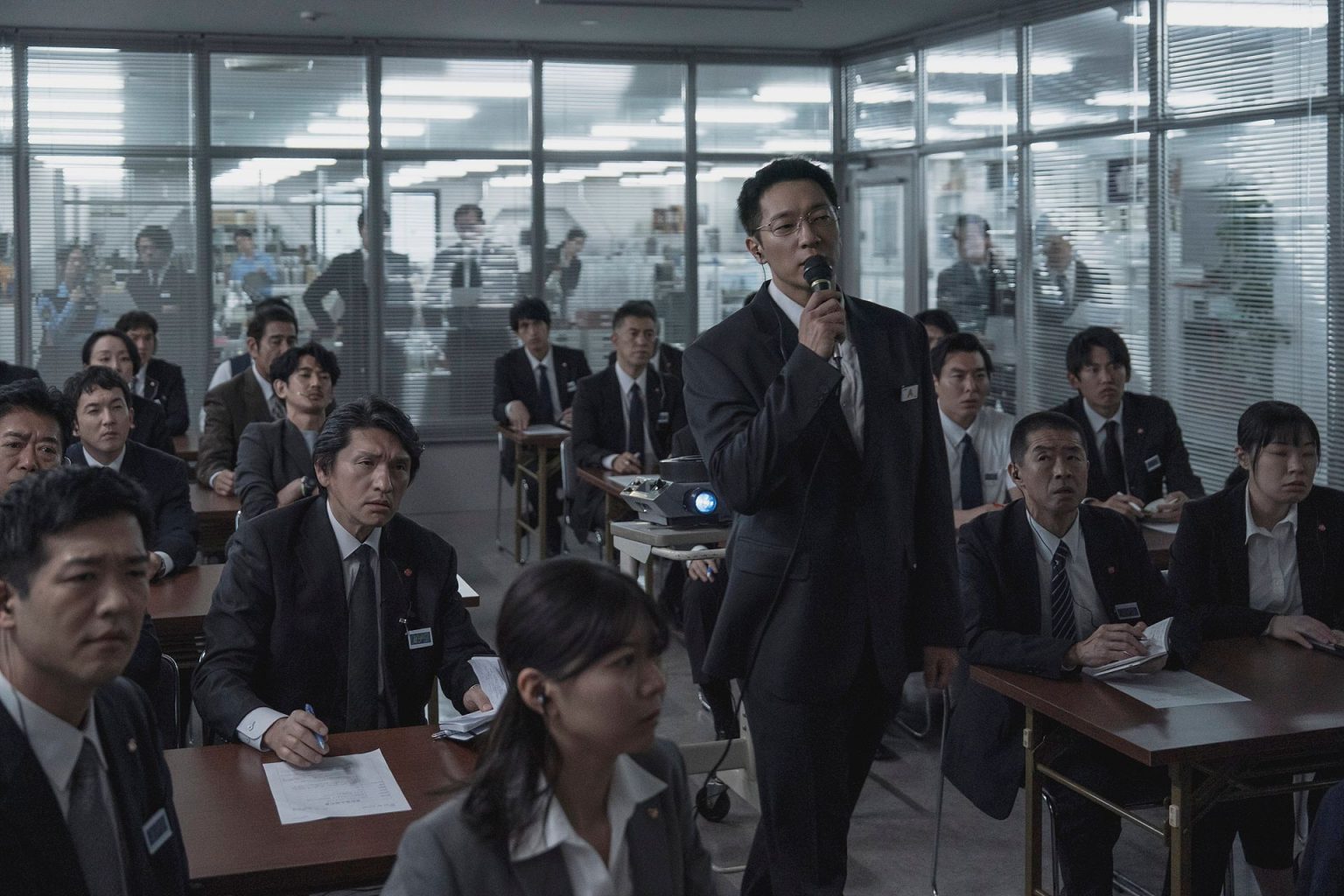
This began with the military action series D.P. (Deserter Pursuit), an adaptation of a WebToon comic by Kim Bo-tong, based on the writer’s own military service (mandatory by law in the country). “I wanted to work on a story nobody had done before, but wanted people to watch it, which is kind of funny,” Han says. “It’s a story of the army in Korea,” the director says, adding that it’s “gloomy” and about military service and how people feel about it.
The show follows the Korean military police as they capture deserters from the army, one which gained acclaim in how it tackled bullying in the military as well as other issues of toxic masculinity and even bigotry. “I thought that because [the story] was not handled by other directors before, I needed to take risks,” he adds. “If you are trying to be safe all the time, that itself is a risk.”
Picture Credit: Netflix
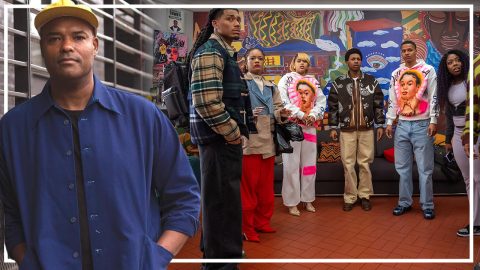
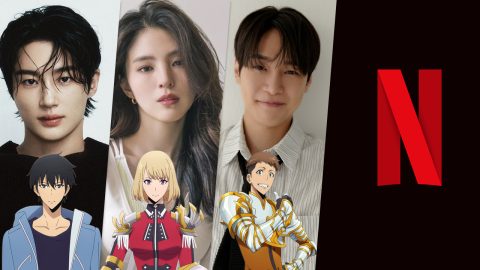
The theme of bullying continues into the next series mentioned, Weak Hero. Kijae reflected on giving feedback on the proposal for the show, saying, “‘Isn’t it too niche? It’s only going to appeal to guys.'” Han quips back that they had figured at least one of the lead actors would “be a crush for someone.” Han took a step back for the series, acting as creative director while Yoo Soo-min and Park Dan-hee directed (Yoo also co-wrote the series). “I thought when it came to the essence [of Weak Hero], an emerging director would do a better job,” Han says.
The conversation moved through other projects which Han had a background part on, such as Pilot, a feature film directed by Kim Han-gyul, where Han assisted with adaptation at the writing stage. Then there’s Dead-End Job, another series playing at this edition of BIFF – Han is the creator of the multi-hyphenate genre show, Kim Da-min the director.
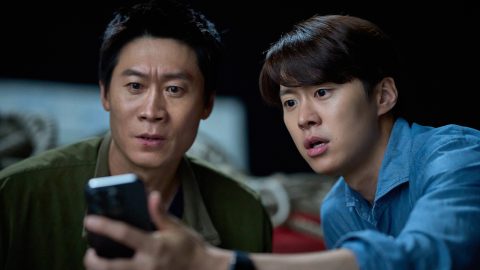
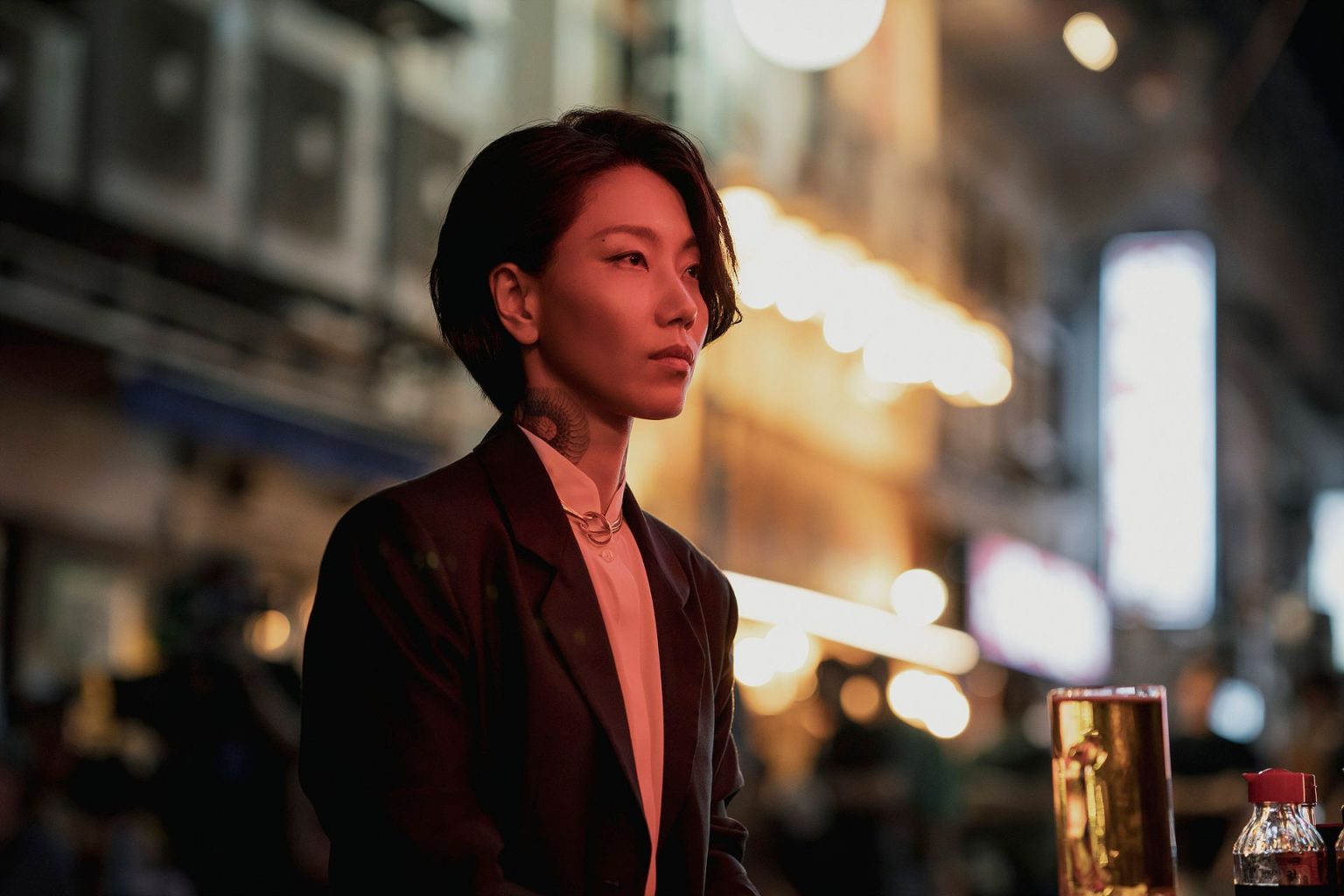
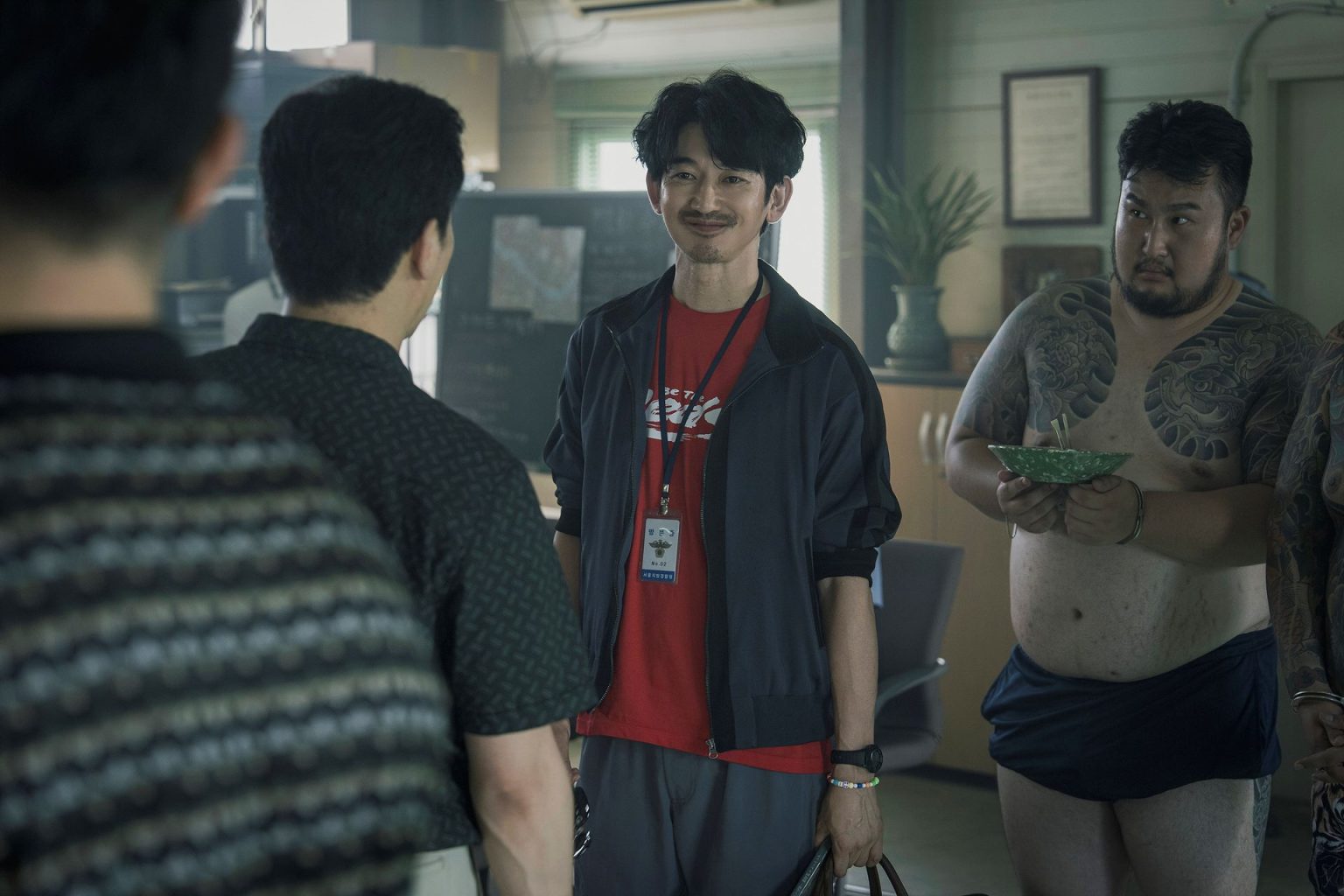
Also at BIFF in the ‘On Screen’ section is Han’s latest project as director, The Blue Road, which screened three of its eight episodes, set to be released on 20 November. “This is a work I have been envisioning for a long time,” Han says. “We don’t have a lot of episodes or a lot of characters, so I thought of a series where we could focus on the performance of the two actors.”
As well as putting the odd-couple chemistry of actors Nagayama Eita and Son Sukku front and centre, there was also discussion of the now throwback setting of 2002 (a phrase sure to send a chill down the spine of most millennials). “I was about to graduate from high school in 2002,” Han reminisces, before mentioning that he thought it was interesting that the mystery is set against the background of the 2002 World Cup dual-hosted by South Korea and Japan, thinking about how the tournament drew attention.
Picture Credit: Netflix
Though the series is an adaptation of a comic, Han noted that they took a rather fluid approach to the story. “It’s like a living creature; that’s how we treated this work,” noting that the end of the series changed multiple times as they tried to treat it organically. That rather spontaneous nature is perhaps reflective of Han’s answer to a later audience question from a writer at Deadline, who asked about the differences between production in Korea and Japan.
“When filming, there are a lot of cultural differences – wherever you go, the crew are different,” Han says. “When it comes to working with the Japanese teams… the Koreans work fast; the Japanese are very meticulous,” he adds. “Getting the perfect result is important in Japan […] in Korea we do it all so quickly you have to make compromises.” This didn’t necessarily mean incompatibility between the teams. “The crew from each team had a lot to learn from each other,” Han says.
“We make every attempt to prepare in advance, but on set things may change.” Another audience question asks Han about the beginning of his partnership with Netflix, on how he got lucky. He responds that the scale is totally different today compared to when he started working with them, joking that “it wasn’t fortune back then, Netflix wasn’t that popular.”
Picture Credit: Netflix