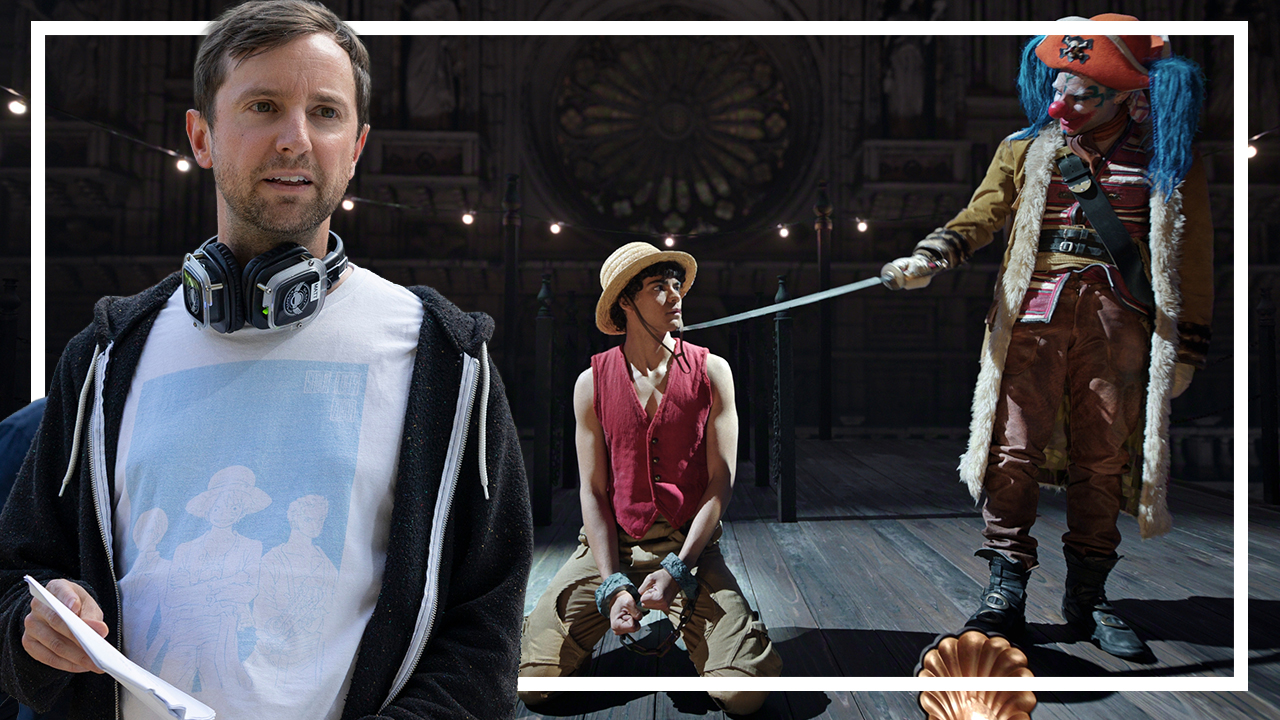
Pictures courtesy of Netflix
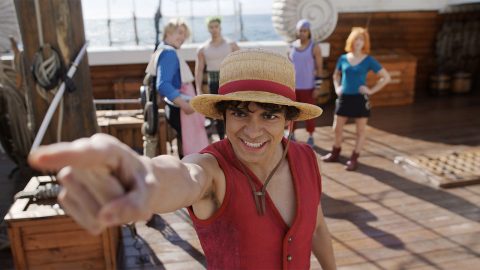
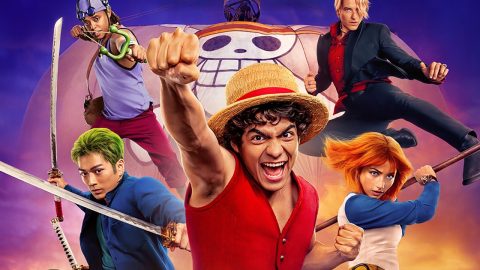
One Piece season 2 felt like a miracle. After season one already showed that it was possible to bring Eiichiro Oda’s masterpiece to live-action without losing its essence, season 2 proved it was no fluke, it actually understands what makes One Piece great. It captures both the silly cartoonishness of the manga, while grounding the characters to make them feel like real people. This is a show of music-loving whales, a guy with hair in the shape of a clothes hanger, of an otter riding a vulture with machine guns into battle. It’s a bigger season, one with even more ridiculous elements than the first season. This is when we finally meet Tony Tony Chopper! And somehow, it all works.
Not only that, but the show managed to improve on its first season even after a change in showrunners. The original creators of this adaptation were Matt Owens and Steve Maeda, but the latter left after the release of season 1, replaced by Joe Tracz.
We spoke with Tracz about his manga and anime fandom, the notes he got from Eiichiro Oda, and what fans can expect going into season three of One Piece.
Editor’s Note: The following interview has been edited for clarity.

How familiar were you with One Piece before joining the show?
I’ve always been an anime manga fan, but One Piece was a bit of a blind spot to me. There’s just so much of it that I always felt like, man, I just need that excuse to sit down and just binge it all. Then when this job came around, that was the excuse. I sat down, locked myself in my apartment and watched a hundred episodes in a weekend. I think literally just nonstop, and it was amazing.
Then I went to the manga and read that and fell in love with it too. I think Oda is such an incredible storyteller. Like I just feel so lucky to get to adapt the story that has so many layers to it. You can read it as just fun and funny and joyful. And yet there’s a political complexity to it. There’s riches to the world. There’s literally any kind of genre you want. In our season two, Whiskey Peak is our sort of Western meets Samurai movie, then you go to Little Garden and it’s Jurassic Park meets a Viking saga, then Drum Island is a fairy tale. You get to tell any kind of story you want within the framework of One Piece. And there’s just so few stories that let you do that.
One thing that makes the show so unique is how involved Eiichiro Oda seems to be. How was his involvement this season?
Oda is not just a producer in name only. He’s someone who’s really actively involved. And look, he has a full-time job, he’s doing the manga. We’re lucky we get as much of his time as we do, and we don’t take that for granted.
But no one knows this world and these characters more than he does.
So, when he reads our scripts and gives us notes, we respond to those notes. We take those notes because we’d be foolish not to. His insights are impeccable. And he just has great instincts. He draws on the scripts, which is really cool because those are Oda drawings. He’s such a visual thinker. I remember for the Little Garden scripts, he drew a story map, showing how each of the stories intersect in the manga, with visuals. For those of us who are writers, we think in text blocks and he thinks in pictures. But TV is a combination of those two things, so it’s a great working partnership.

Cr. Courtesy of Netflix © 2026
What’s a note you got from him that really stuck with you?
A note he’d often give, and I think it’s a really great note, is to not forget we’re telling a fantasy. Even though we are a live-action show and part of what we’re doing is trying to ground this story in a sense of realism so you believe in this world, it is still fantasy.
For Chopper, we could have gone hyper real, but Oda from the beginning always said, “Think teddy bear.” A real reindeer is a little uncanny. So, in those early conversations about how much do you push the realism versus the fairy tale cuddly quality, he’s always in favor of going with the thing that will move you the most. And maybe a hyper realistic reindeer is not going to move you the way something that looks like the stuffed animal you had as a kid is going to move you. When you see a cherry blossom tree made up of a mountain peak with spotlights on clouds that are pink from the powder, you either go for a realistic cloud on a mountain, or something that leans into what feels poetic about a tree. That’s the one note he has that I just always feel like I want to take to heart, which is like to be true to the poetry more, sometimes more than the realism.
I’m also curious, because this season adds some interesting changes to the manga. How does Oda react to these?
He’s very positive. In our podcast interview with Iñaki Godoy he spotlights Luffy singing to Laboon as one of his favorite moments, and that was entirely original to the show.
And it’s one of my favorite moments, too. I love that it just feels like a surprising way to end that story. And yet it’s been set up even back in season one when young Luffy was listening to Shanks singing Bink’s Brew in the background. We still have Luffy punching Laboon. We knew those are images that we just wanted to recreate. But in this case we also wanted an emotional connection that could be moving and exciting and surprising even for people who might know the source material.

Pictures: Netflix
Now that you’re working on season three, Alabasta is home to many fantastical creatures, from Karoo to the kung fu dugongs and more. How are you guys dealing with that? Do you condense the amount of creatures, or what’s the approach?
We’ll always rather do something than not do something. It’s about finding what’s the best way for us to do this that feels like it’s the most fun. We have the Unluckies in season 2, but in the manga they have more appearances. So it felt like, if we can only use them once, let’s make the most of what little time we have with them. These creatures are important to the world of One Piece. They add to the scale of the world, and add to the feeling of danger and the fun of our world.
I think One Piece without creatures would be a very boring show. So we’re always going to have them be a part of it., and we’re always having those conversations about how do we pull this off? One things that I was so sure we’d have to cut for budget at some point was the goldfish. We knew it was so important to the giants’ story, so we had to figure out a way we could pull off this goldfish.
You came in as a showrunner in season two, and in season three it is you and Ian Stokes. How is that working relationship like, and what sort of lessons did Matt Owens leave you with?
I’m lucky because Ian Stokes has been in the show since the beginning. He was there with Matt from the ground level. Though I am now this senior co-showrunner, he’s just been with the show from the beginning, so really hasn’t been too much of a change. What’s unique about the show is that the scale is so big that we have two units shooting everything at the same time, stunts, drama, spectacle. So it’s like you’re making two shows simultaneously, which really is why you need two showrunners. And this is a show that is so much about what happens for pre-production. We pre-vis everything, and we have a third unit just for stunts so there are no surprises on the day and everything is safe.
So it’s just a huge show, the mechanics of making it, and I think it looks huge on screen.

Picture Courtesy of Netflix
Do you have a moment or story arc you’d really want to see make it to the show if it goes long enough?
I have my arcs I really want to get to. I feel like I can’t say them in interviews just to be safe, but we do have conversations about how we get to tell a character story or how to get to a certain backstory.
We meet Miss All Sunday this season and fans know that there’s more to her story. We gave her a slightly expanded role in season two, and she’s a face of Baroque Works for us, but she’s a character who has layers upon layers to dig into.
We tease a little more of Sanji’s backstory this season. It was something we were really excited to do, because it informs the story. We had versions in the script where we actually saw young Sanji in a flashback, since we already had cast the young Sanji for season one. But then Taz Skylar is just such a good actor, we just had him speak about his mom, and he killed that monologue.
 Rating: TV-14