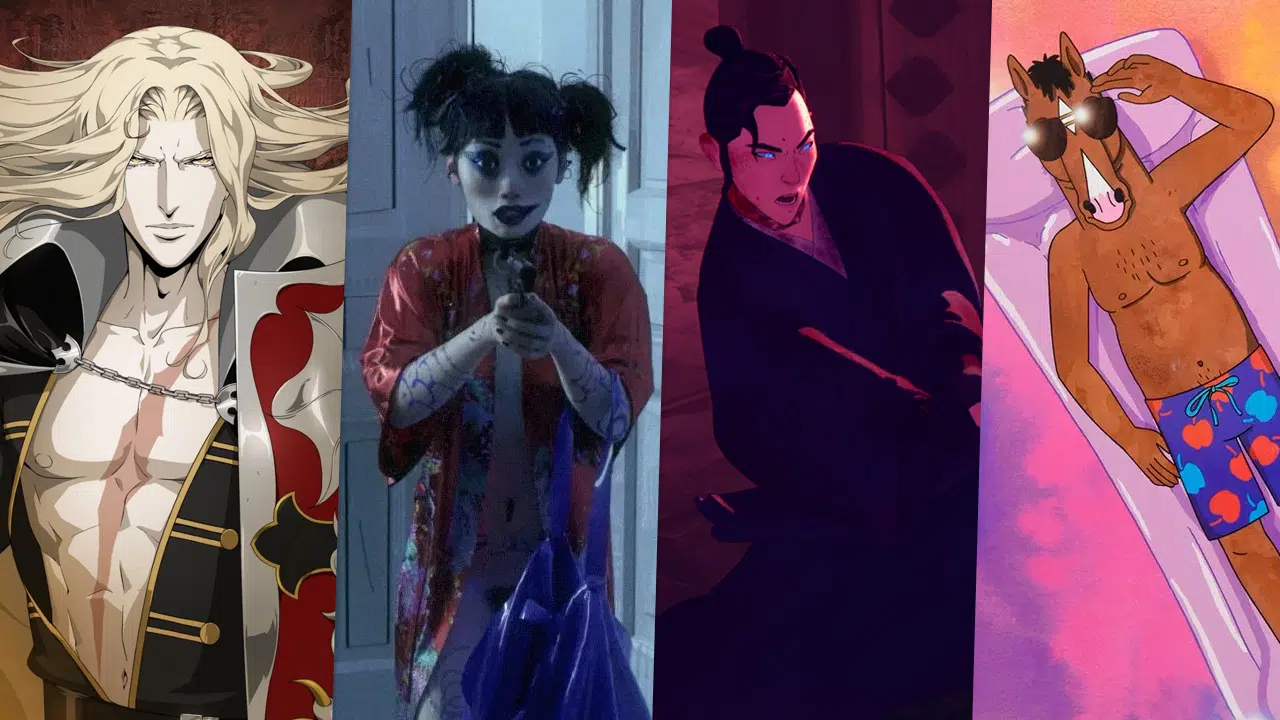
Pictures courtesy of Netflix
Adult animation feels foundational to Netflix. So many of the streamer’s greatest hits and most iconic shows come from the genre, so many born from Netflix’s desire to give creators artistic freedom and a break from the restrictions of traditional broadcasting.
As a consequence of this strategy, Netflix has become a home for audacious comedies, violent action, and experimental art pieces, all filtered through the medium of animation.
To celebrate the wide array of adult animation on Netflix, here are the 10 best original shows ever produced by the streamer.
Disenchantment
Picture Credit: Netflix
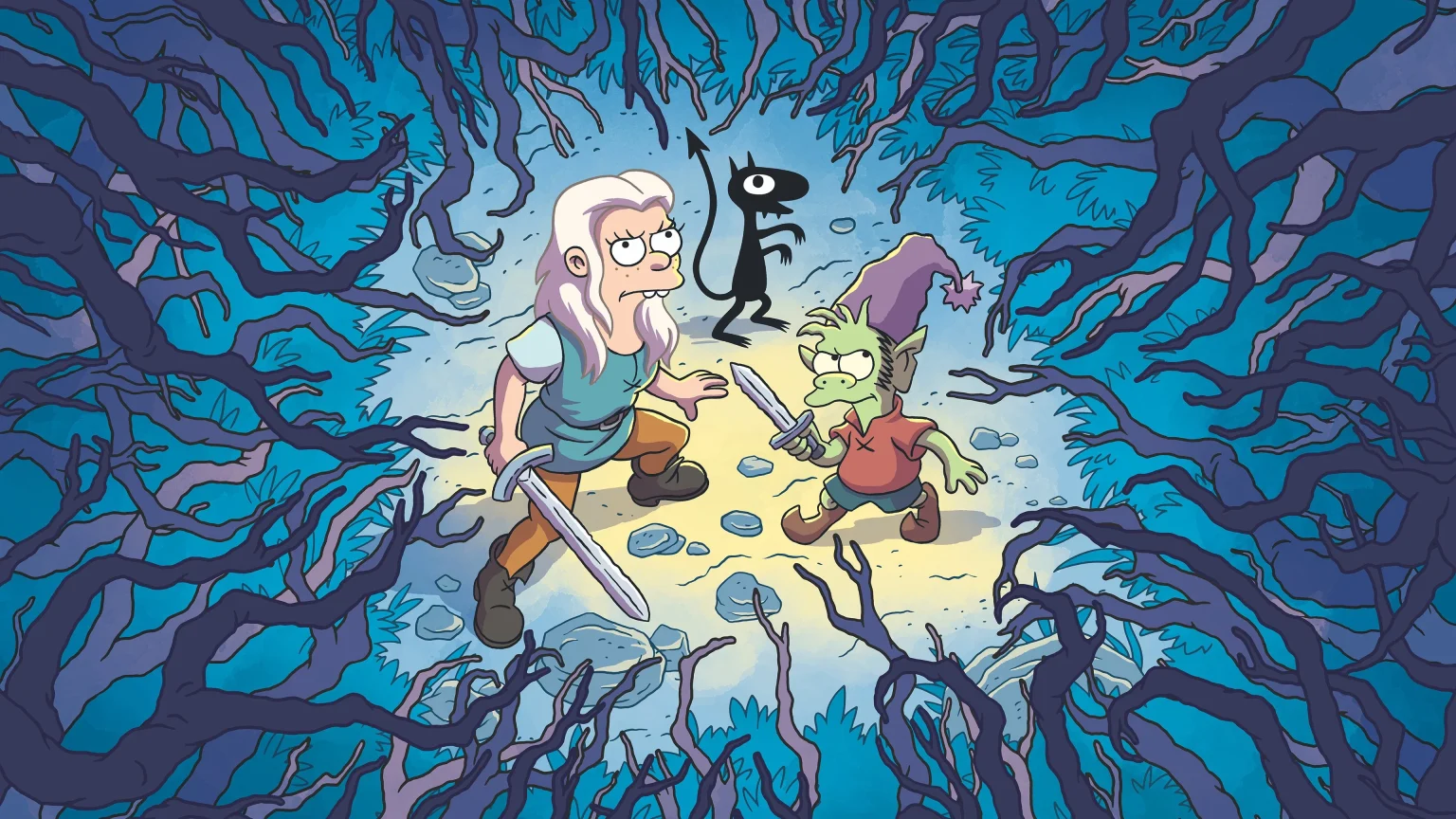
Netflix getting Matt Groening to create an original series for the streamer was a massive get, and Groening himself was given a chance to test out a new mode of storytelling. The Simpsons and Futurama had to comply with the network TV model, where each episode had to be a self-contained adventure. Disenchantment had the chance to build long-form narratives and evolve its characters in more interesting ways. The charm of Groening’s visuals and character development carries Disenchantment through its five seasons, and is another feather in the cap of an all-time great.
Tuca & Bertie
Picture Credit: Netflix
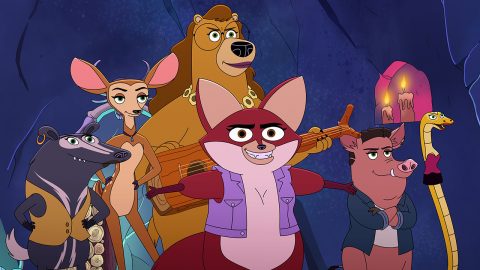
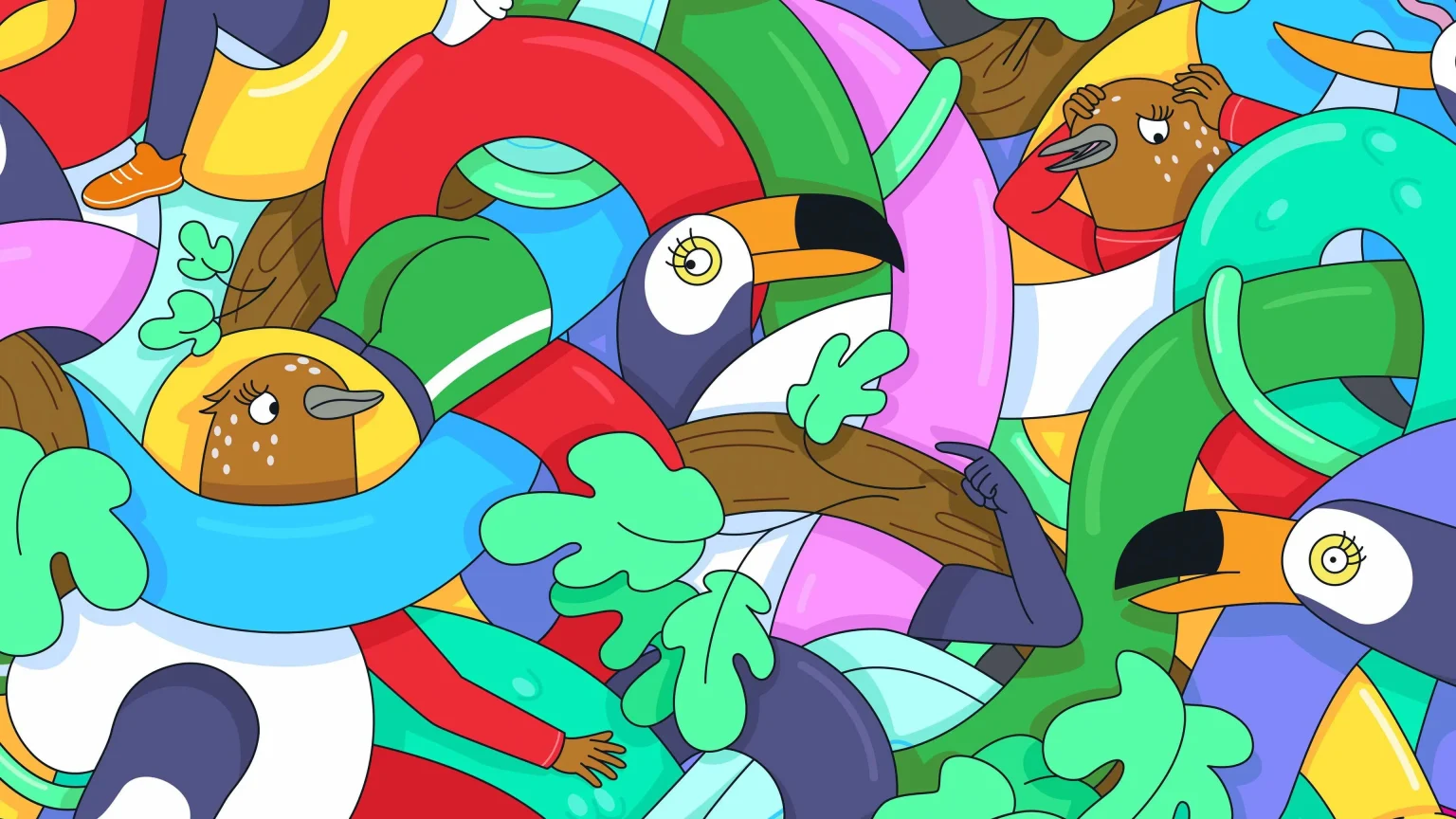
Tuca & Bertie exists unfairly in the shadow of Bojack Horseman. Both shows share Lisa Hanawalt’s art style, with her stepping up from art designer on Bojack to showrunner on Tuca. However, Tuca & Bertie takes on a far different tone than Bojack, which is an exploration of much smaller, more subtle interactions between people. It feels far more representative of the current moment, looking at people taking on odd jobs to get by and the overall weirdness of entering adulthood in this current era. Though it aired only one season on Netflix before its cancellation, Tuca & Bertie stood out as a uniquely perceptive and funny show.
Castlevania
Picture Credit: Netflix
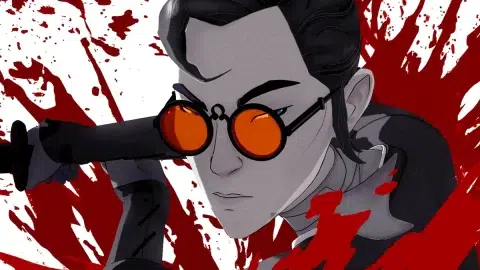
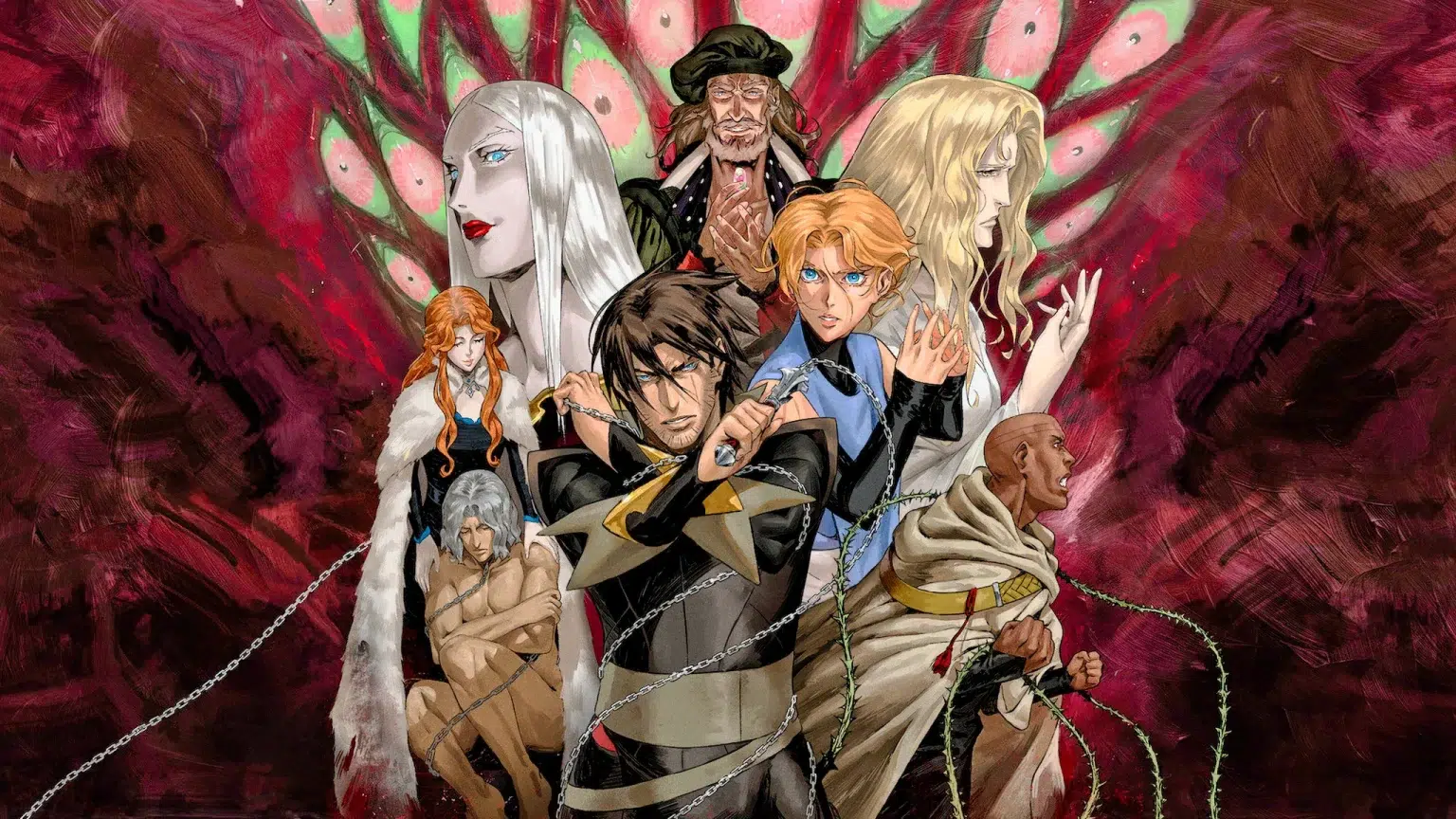
The Castlevania video game series has had a tough decade since creator Konami lost interest in the space, but it still looked to maximize the IP they own. One of the best things to come out of that strategy was the Castlevania anime series, which more than satisfied the fanbase’s vampire bloodlust.
Castlevania is a franchise that revels in dark, gothic aesthetics and the show makes full use of that license. Crimson reds leap out of the frame as iconic imagery from the games is realized through wonderful 2D animation. The atmosphere is so true to the games, and when it comes time for Richter Belmont to swing his whip at some creatures, Castlevania delivers on some wonderful fights. The four-season run gave a classic franchise its much earned due.
Cyberpunk: Edgerunners
Picture Credit: Netflix
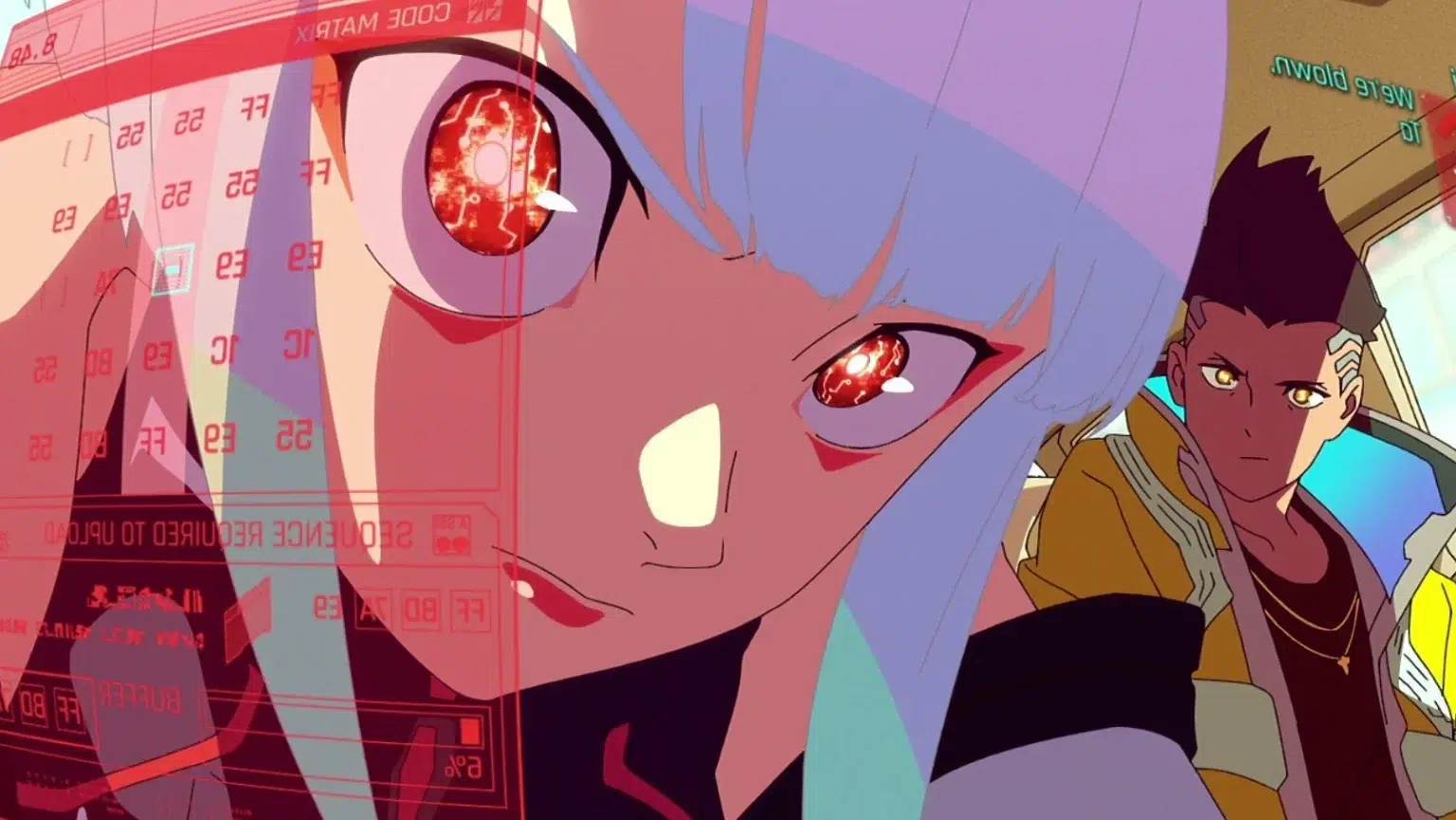
A lot of the shows on this list are either adaptations of video games or are rooted in video game culture. The medium is capable of building such dense and vast worlds that even a dozen hours spent there can’t quite capture the full extent of the story. Shows like Cyberpunk: Edgerunners take an established video game world and offer heaps more depth and style to an already captivating digital space.
Acting as a prequel to the game, Edgerunners loads the viewer up on lore while being an enjoyable entry point to those who just caught a glimpse of it while scrolling through the streaming service. Edgerunners has a striking look about it. World-famous animation house Studio Trigger is a master at depicting extremely satisfying action, which works beautifully within Cyberpunk’s established world of electric, neon yellows and blues, which dominate each frame.
Love, Death & Robots
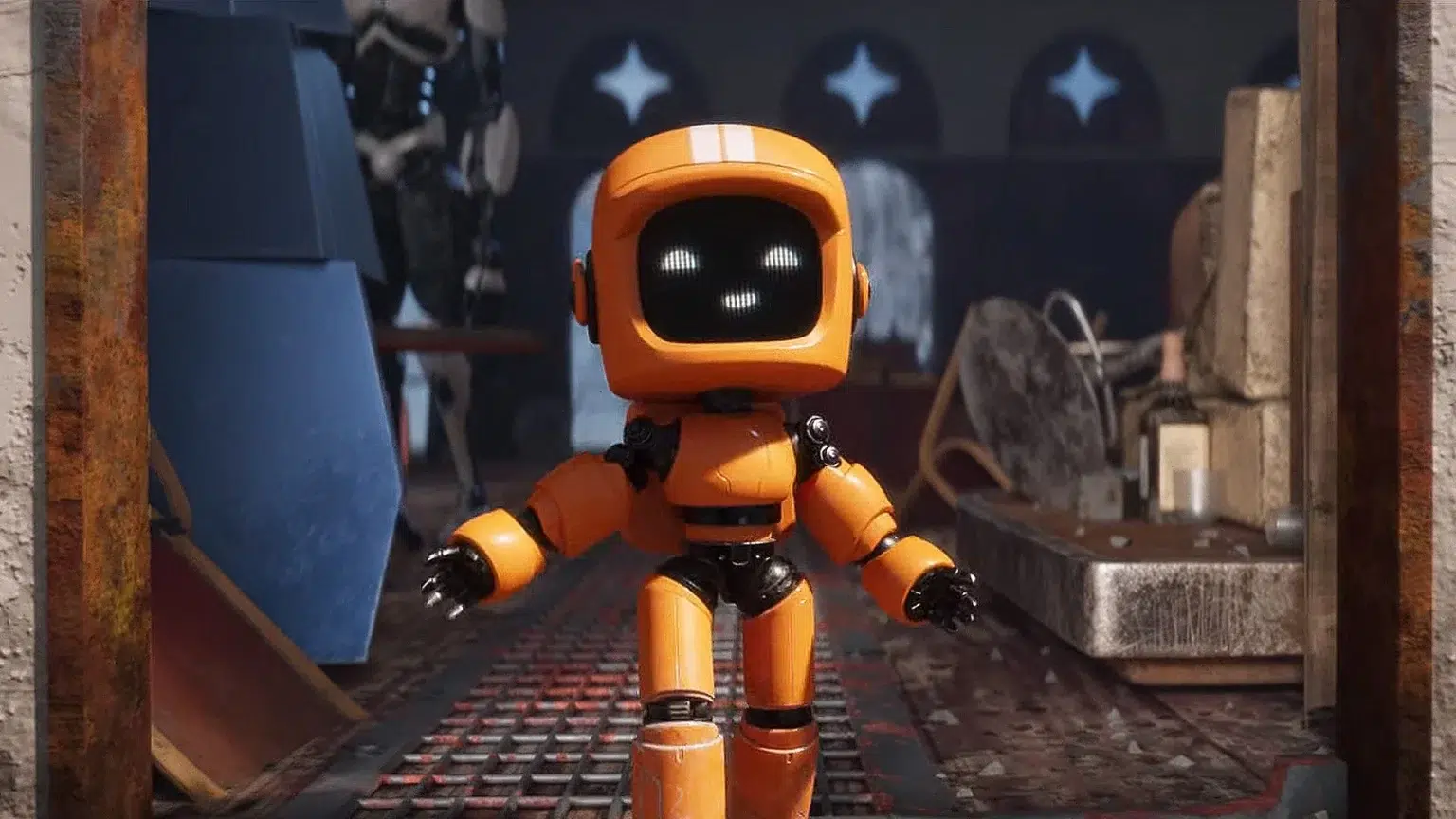
Love, Death + Robots is a pure celebration of worldwide animation. The anthology format works to highlight the genius coming from every corner of the globe, both on a pure indie level and from the biggest studios. We see work from US-based studios like Blur and Sony Imageworks, as well as top-class European talent like Studio La Cachette and Passion Pictures. All of these studios are given free rein to make something crazy, and they relish that opportunity.
Any doubts about animation being purely for kids are washed away with just a few episodes of Love, Death + Robots. The insane breadth of genre, tone and animation style showcases animation as one of the most adaptable and malleable artistic mediums in existence. With each episode clocking in at less than 20 minutes, there’s no excuse not to dive into Love, Death + Robots.
The Midnight Gospel
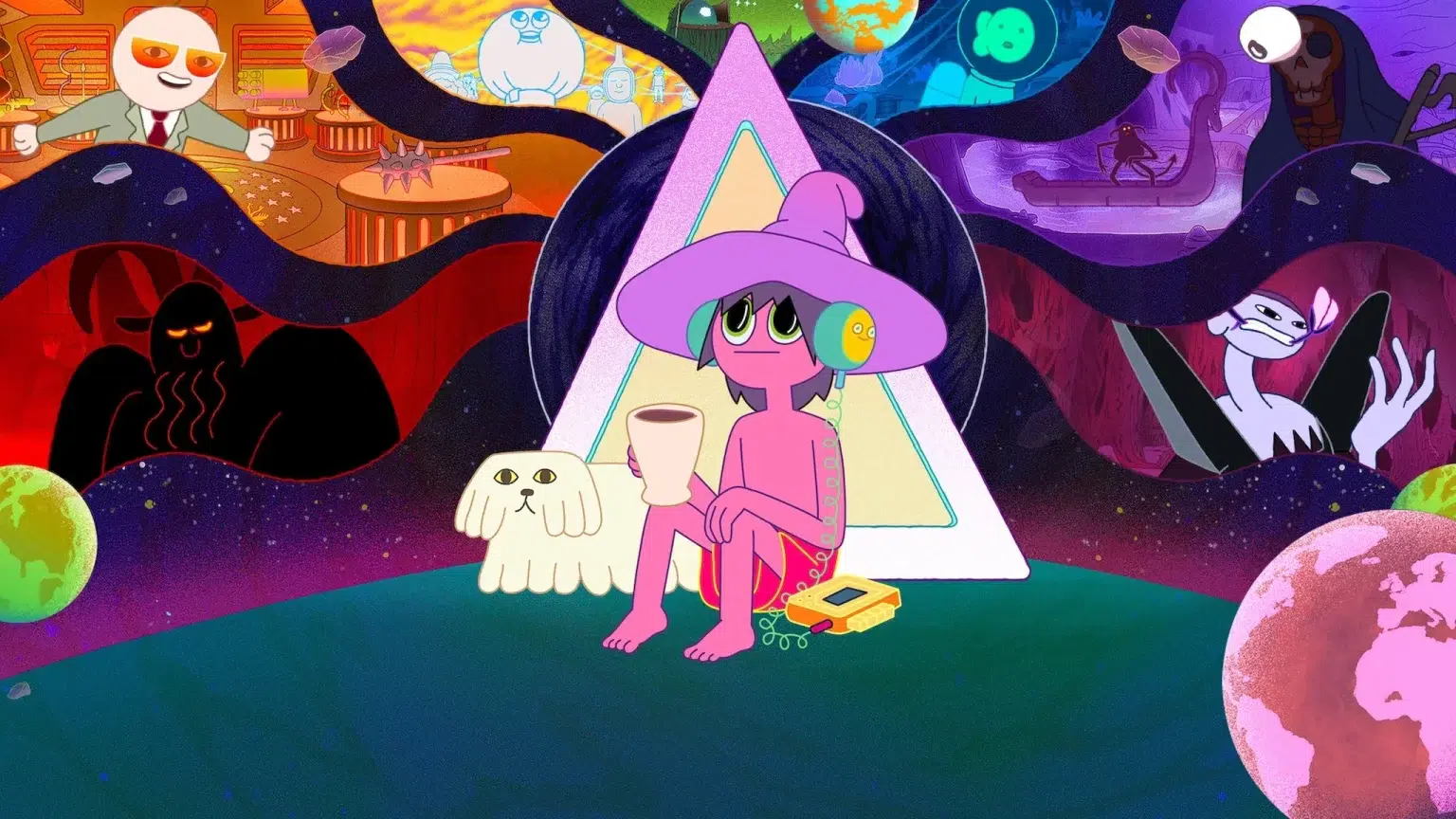
It’s a miracle that something as loose and experimental as The Midnight Gospel ever got to exist. The basis of each episode is a podcast recorded between co-creator Duncan Trussell and a guest, which is then realised through animated acid trips. The conversations, which form the dialogue of the characters in the show, are often stream-of-consciousness rambles that enable the animation to be as wild as possible, while also allowing for interesting insight into these people’s psychology.
That psychological element is really where The Midnight Gospel separates itself from the regular experience of listening to a podcast. These episodes truly feel like you’re rummaging around in someone’s brain, complete with the saturated colors, lack of straight lines, and scenery that transitions on a dime. Recently, Netflix has spent a lot of money investing in visual podcasts, but few will ever reach the level of ingenuity and audacity of The Midnight Gospel.
Arcane
Picture Credit: Netflix
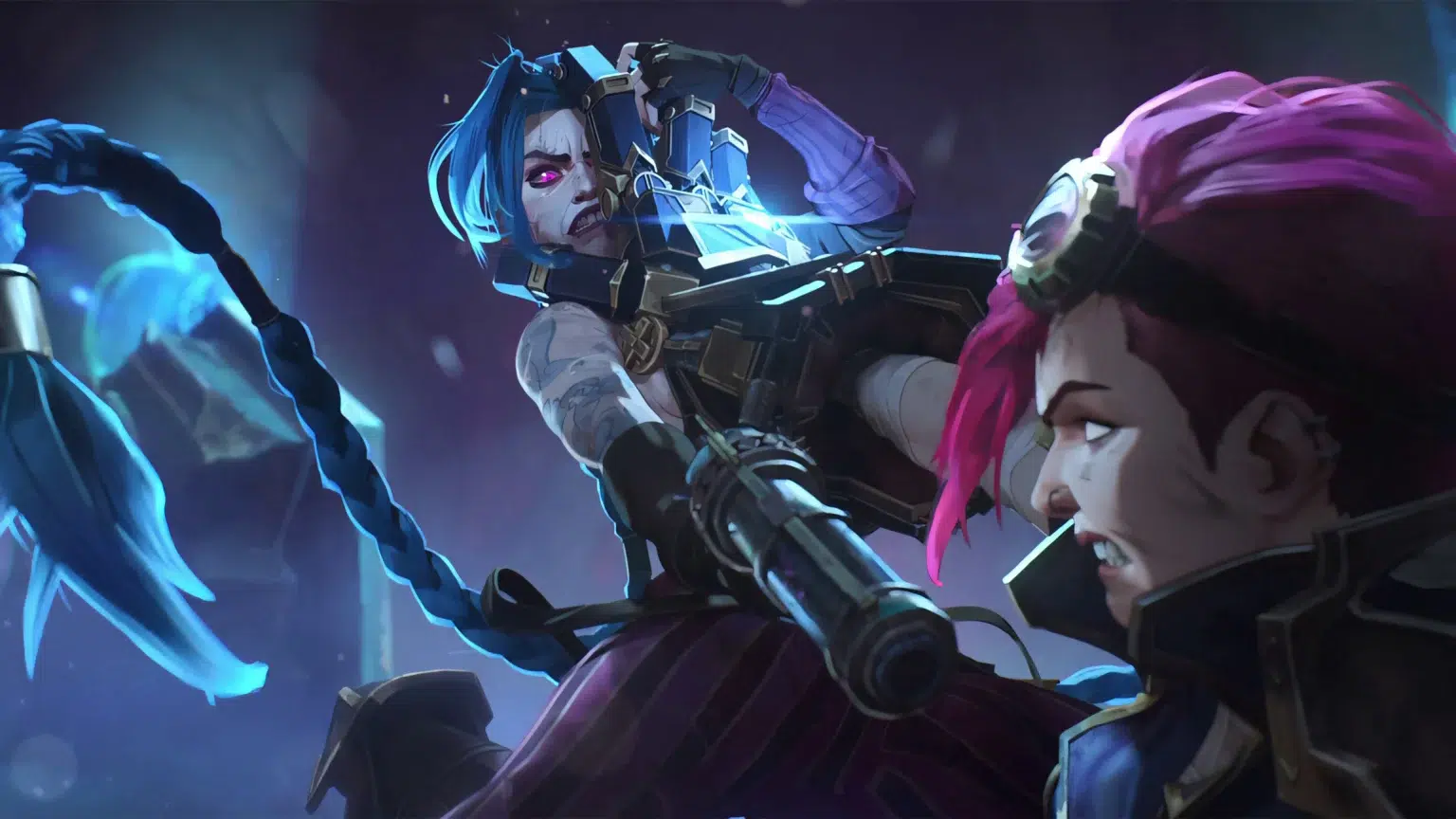
Into the Spider-Verse, introducing CG/2D hybrid animation to the mainstream industry, was like Prometheus bringing fire to man. Since 2018, studios across the world have tried to put their own spin on it, but few have managed it with the panache that Fortiche did with Arcane. It’s impossible to even watch a clip of Arcane without being taken aback at how insane it looks. Every stylistic gauge turned up to 11, with the punk aesthetic, explosive colors, and intense soundtrack swirling together to activate every neuron in your brain.
Another thing that allowed Arcane to stick to the culture was the intense passion people have for the characters. Online debates rage to this day over their ethical choices, a sign that the show was more than a technical showcase but a nuanced exploration of morality that will be difficult to replicate.
Blue Eye Samurai

Blue Eye Samurai. Maya Erskine as Mizu in Blue Eye Samurai. Cr. COURTESY OF NETFLIX © 2023
Following in the steps of Arcane, Blue Eye Samurai felt like a stylistic refresh for TV animation. Its blend of CG and 2D techniques showed that not everything that aims for this hybrid style has to feel like Spider-verse, but that each show can find its own unique spin on it. Blue Eye Samurai’s approach to animation is perfect for the era it’s set in. Nothing in Edo-period Japan should have too much of a CG sheen, so a painterly 2D style is used to add grain and texture to each frame, helping the audience accept it as the distant past.
Just as fresh as the animation is Blue Eye Samurai’s story, following a mixed-race warrior on a revenge mission, which is as blood-pumping as it is meditative. Blue Eye Samurai is an important step for TV animation, helping shift its place in culture from being strictly for crude comedy to being compared with prestige HBO shows. Season 2 is currently in production and expected to return in 2027.
Bojack Horseman
Picture Credit: Netflix
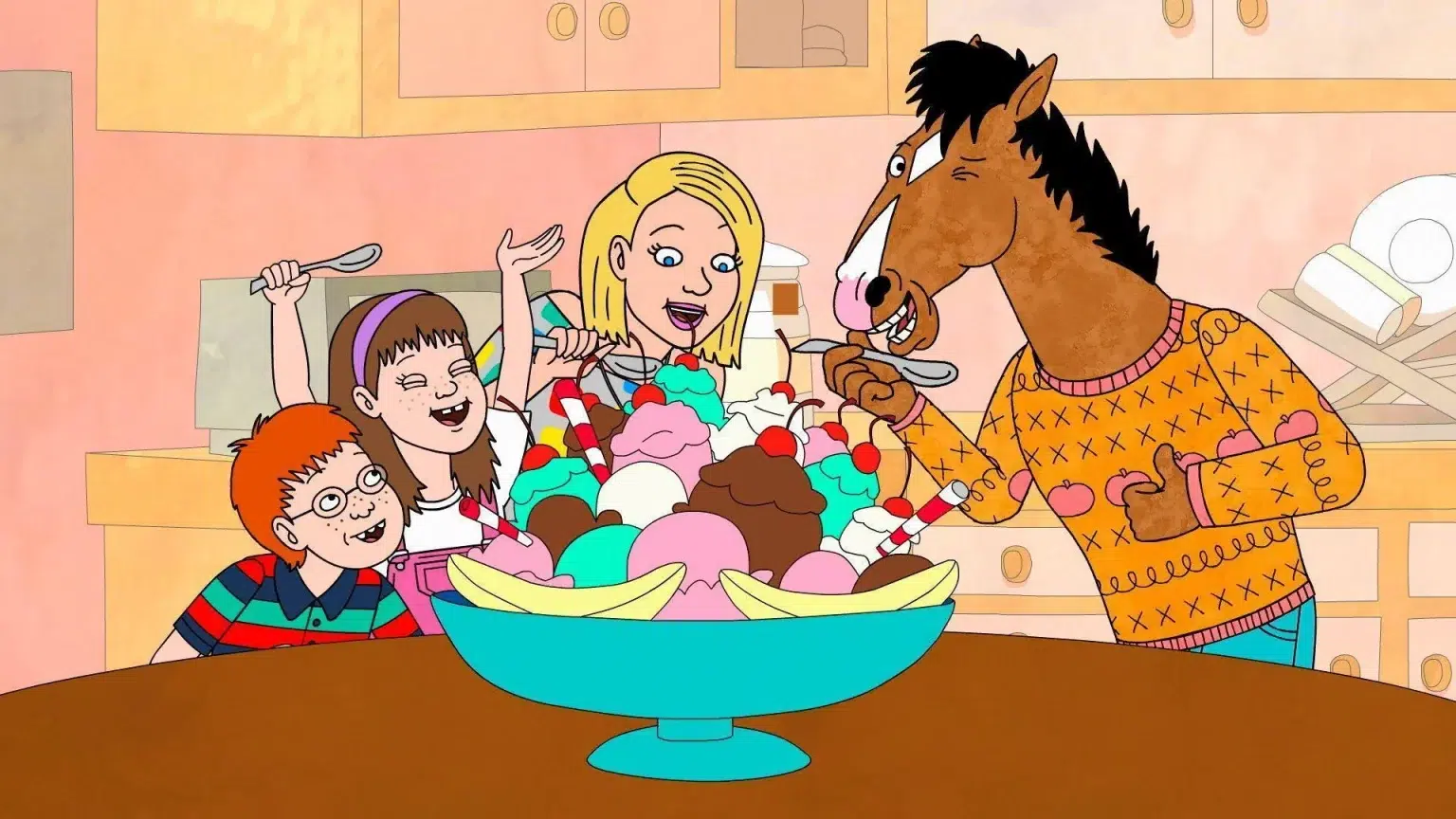
One of the first-ever Netflix originals kicked off a wave of adult animation, making a home on the platform, and yet it still stands as one of the best examples of the genre on the streamer. Bojack takes the idea of the animated sitcom and breaks it in half, relishing in the release from network TV. It’s able to build a strong, linear narrative and subvert the expectation that everything should return to the status quo in the end.
Being able to give its characters emotional momentum for six seasons provided a challenge that has haunted showrunners for decades – giving these characters a satisfying ending. Not everyone’s send-off in Bojack is perfect, but the show does a great job of allowing the viewer to sink their teeth into each character’s psychology. Bojack has a reputation for being a show about depression, which can hamper the credit it gets for how funny it is. Few shows are able to weave microgags into every line as well as set up season-long jokes the way that Bojack did. It’s the perfect reinvention of the adult animated sitcom.
Scott Pilgram Takes Off
Picture Credit: Netflix
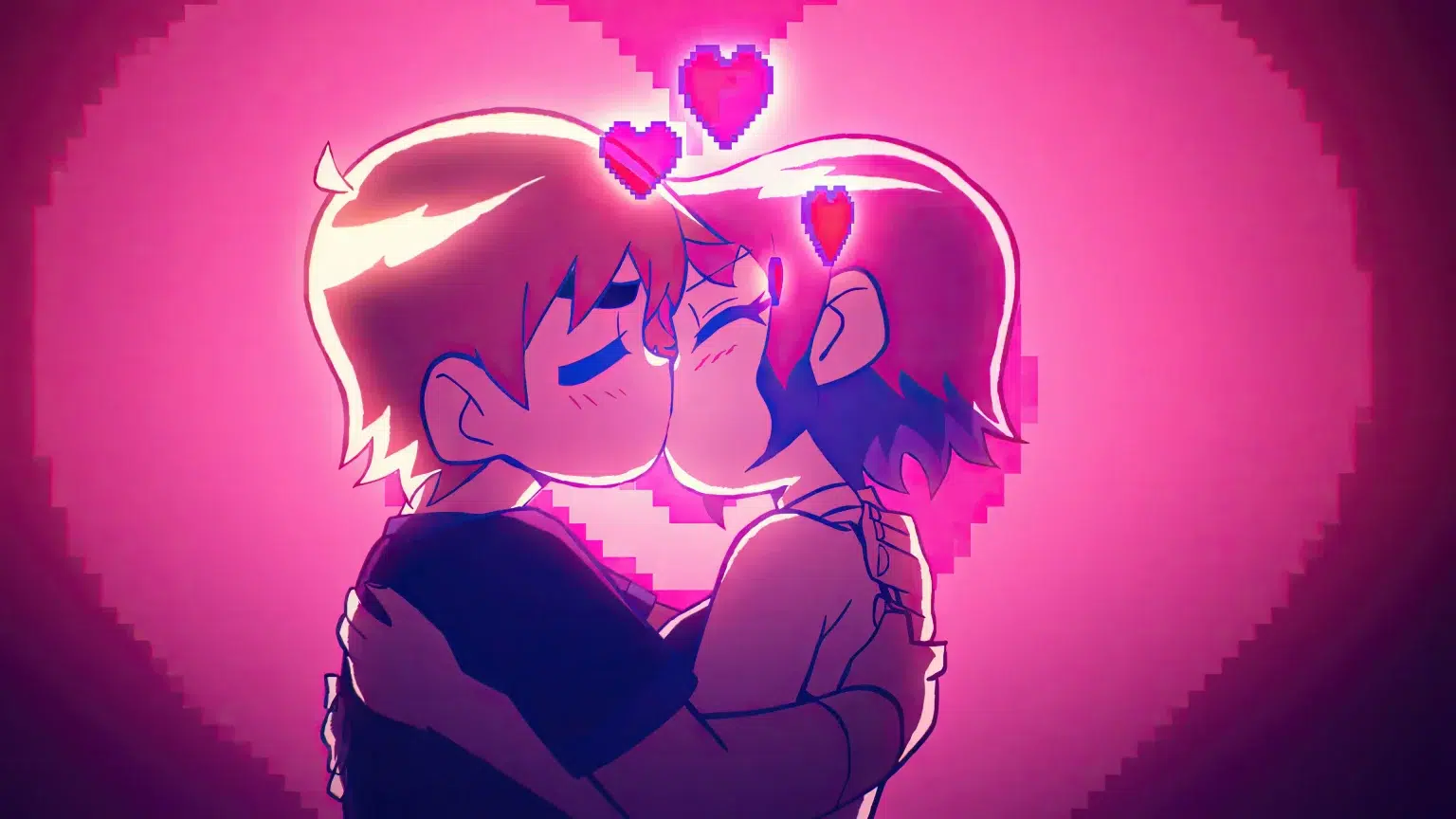
What at first seemed like an unnecessary retracing of well-trodden steps ended up being a jewel in the crown of modern animation. Scott Pilgrim is the late 2000s and early 2010s incarnate. It perfectly represents the lives of kids who grew up playing video games and spending time on the internet as they hit their 20s. With that comes some aspects that haven’t aged well, like the manga and 2010 film’s consolidation of the Manic Pixie Dreamgirl trope. Takes Off comments on that very idea by making the Manic Pixie Dreamgirl the main character.
Rather than having Scott blow through all of Ramona’s evil exes, the show removes the male lead from the story and focuses on Ramona having to make amends with each ex, one by one. This more mature approach strikes the perfect tone for those who have grown another decade older with these characters. For as emotionally resonant as it is, Takes Off doesn’t neglect its anime foundations, getting world-class studio Science Saru to depict these characters as vibrantly as they’ve ever been, while capturing their fights with satisfying, fluid, astonishing animation. Scott Pilgrim Takes Off has it all.
That’s our picks of the best adult animated series on Netflix – what are yours? Let us know in the comments down below.