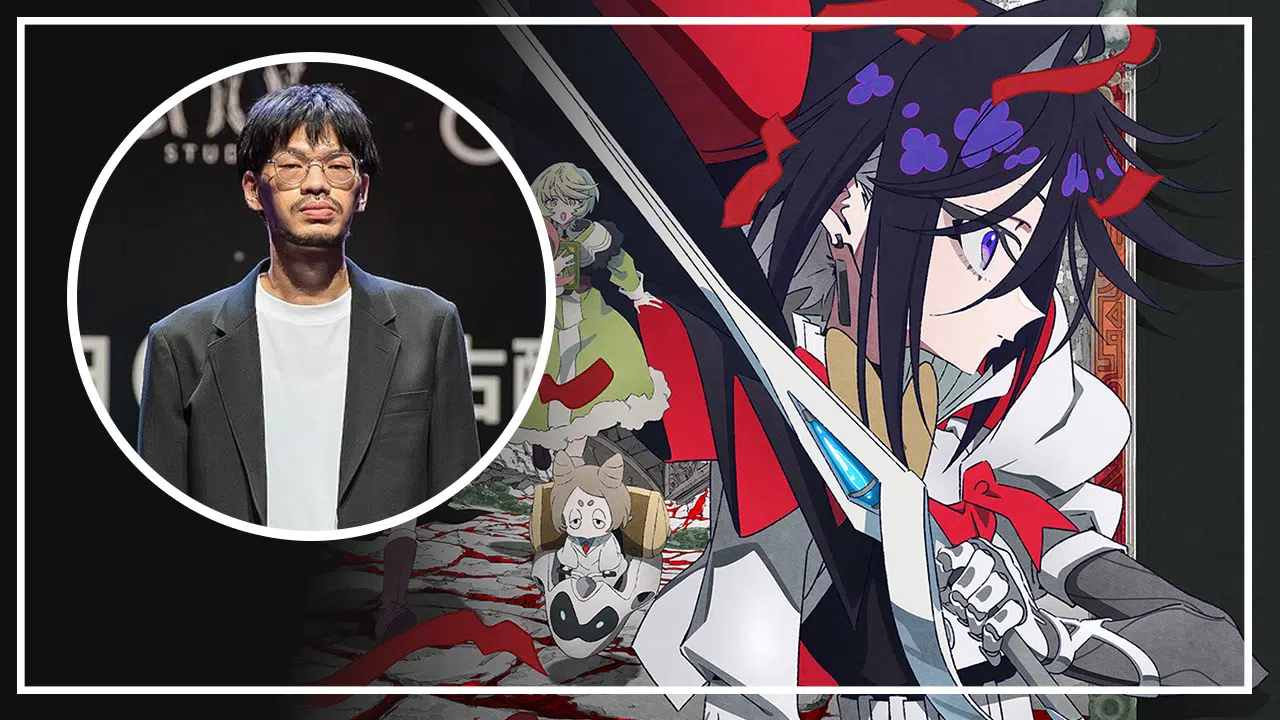
Picture Credit: Netflix
Osamu Tezuka is one of the most legendary manga and anime creators of all time, often referred to as the “Father of Manga,” and considered to be the Japanese equivalent to Walt Disney. Tezuka’s work on Astro Boy and Kimba the White Lion is iconic and has influenced countless works over the decades (including Disney’s The Lion King being maybe too similar to Kimba). But perhaps lesser known is Tezuka’s Princess Knight, a 1953 manga (later adapted into an anime series in 1967), a fantasy tale about a girl born with the blue heart of a boy and the pink heart of a girl, who pretends to be a prince in order to inherit her throne at a time when women couldn’t be eligible. Oh, and she also battles evil would-be usurpers, a warlock named Satan, shapeshifting witches, and more.
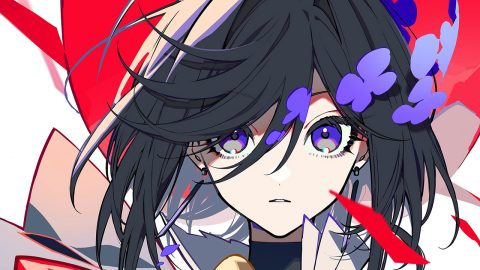
Now, in 2026, we’re getting The Ribbon Hero, a new adaptation by Twin Engine and Studio Outline, directed by Yuki Igarashi. The film updates the story to a sort of post-apocalyptic setting, with the princess now being the survivor of a fallen kingdom, determined to defend her new home from the calamity that destroyed her homeland. It’s a film that mixes genres, tones, and even media, employing CG animation, 2D, puppetry, and even live-action.
We caught up with Igarashi at the Annecy Festival to discuss his adaptation, bringing live-action elements to the story, being inspired by Mamoru Oshii (The Ghost in the Shell), and more.
The movie is structured like a stage production with act breaks and curtain rises. Why was this important to add to the film?
The inspiration for The Ribbon Hero came from Osamu Tezuka, the manga artist and his original source material, The Princess Knight. But if you look even further, his inspiration for The Princess Knight was actually a format of theater in Japan that originated in the city he was born in, Takarazuka. Takarazuka theater in Japan only employs women; they play all the parts. It dates back over 100 years in Japan with a lot of tradition.
I wanted to link the movie Ribbon Hero back to Tezuka’s work, but even further back to that origin, which is the theater. And I think a lot of geek or nerdy culture that we celebrate nowadays, you can trace back to Takarazuka, that form of theater. So I wanted to try and link everything together.
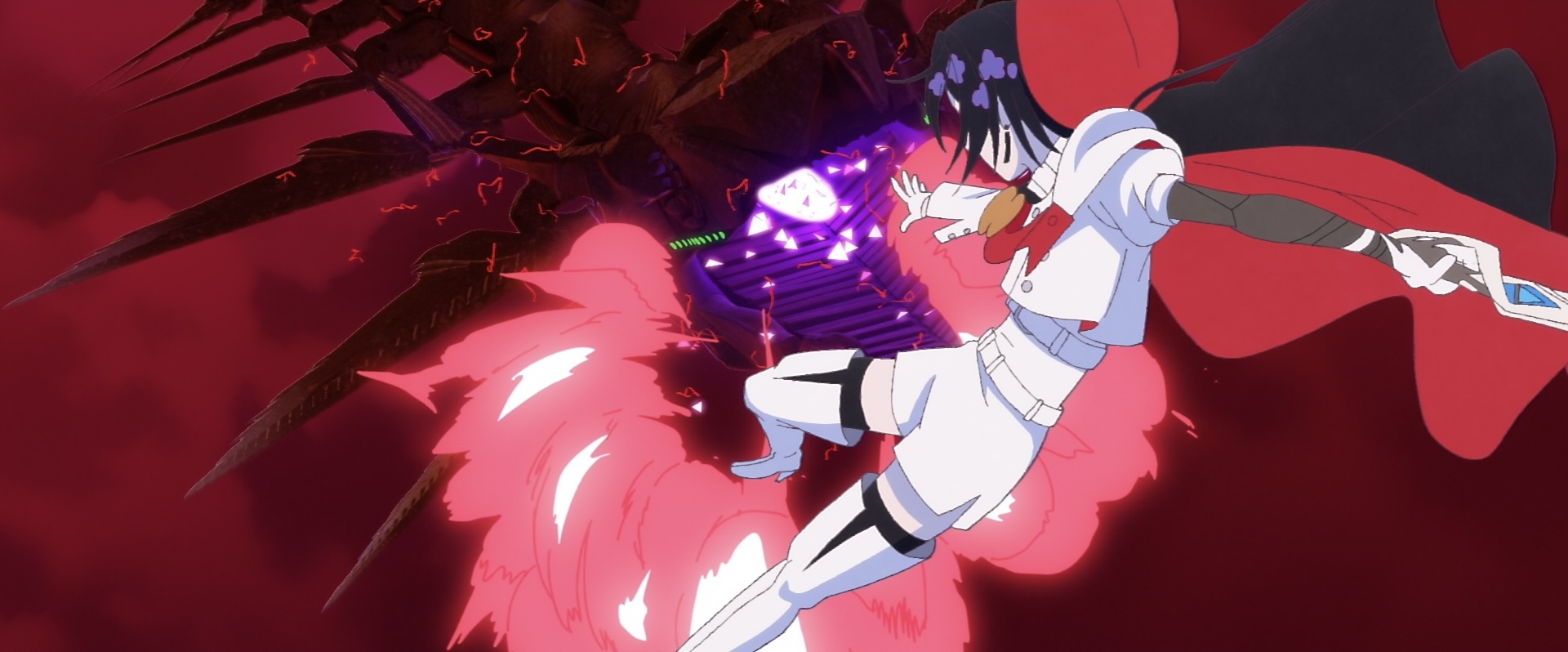
Within that format, my favorite thing was when you did the puppet shows in between the acts. How was it to play with the animation and change the art style of the animation?
There’s a Japanese anime director named Mamoru Oshii, who had a quote that really inspired me, which is that all movies will converge in animation. And he said this a very long time ago. Fast-forward to today, and if you look at any film, despite its being live-action, half of it might be CG or they’ll do a lot of touch-ups in post-production and they’ll use techniques that are much closer to animation techniques than any other type of visual medium. And so what we’re seeing is actually kind of animated in a way, but we’re watching animation or anime. And I wanted to kind of show that the audiovisual medium actually has so many disciplines, and it’s all part of animation, which is why there’s some live-action, some puppet shows, and how he said everything will one day converge on animation. I wanted to put that into the movie.
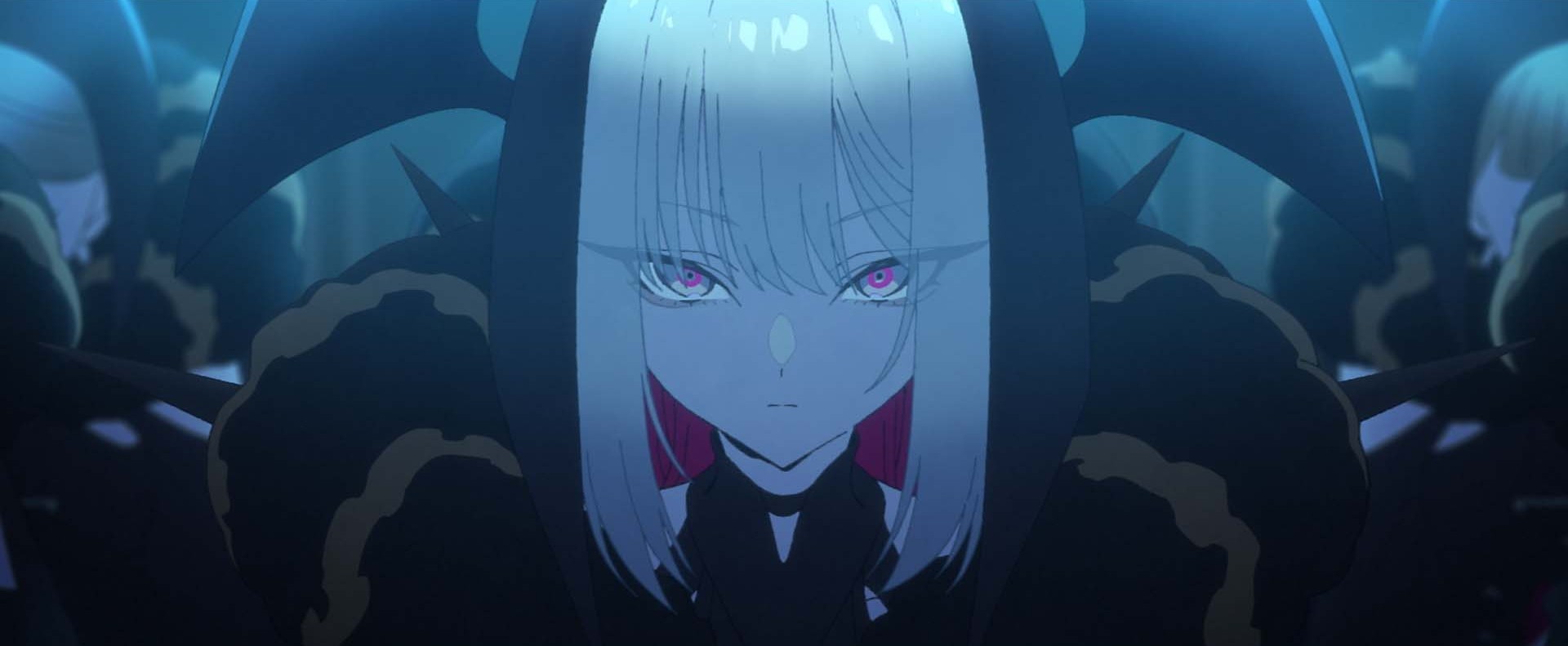
What was the process of updating the original story? Because this is a very different take that still captures the feeling of the original.
For me, I skewed much more heavily towards creative liberty and the adaptation rather than being super true to the manga. And I thought unless I did that, it would be hard to deliver this to a modern audience that has seen a lot, and since a lot has changed from when the manga was published to today. And while making the film, we actually started production during COVID. I think I witnessed that the world was in disarray. I remember being alone in my house, I couldn’t communicate with people, and then when I went online to social media, everyone was fighting—it was very toxic. It was not a great environment offline and online, and I thought, well, how can we live in a much more fun manner?
How can we make this environment better and more positive? How can one become a hero? And I think that’s the point that the original had that I wanted to preserve and kind of keep. I think our heroine Sapphire’s spirit kind of lies in facing all these dire consequences and circumstances. I wanted to embody that in this character, have her kind of be the symbol of hope and make the movie that I wanted to see.
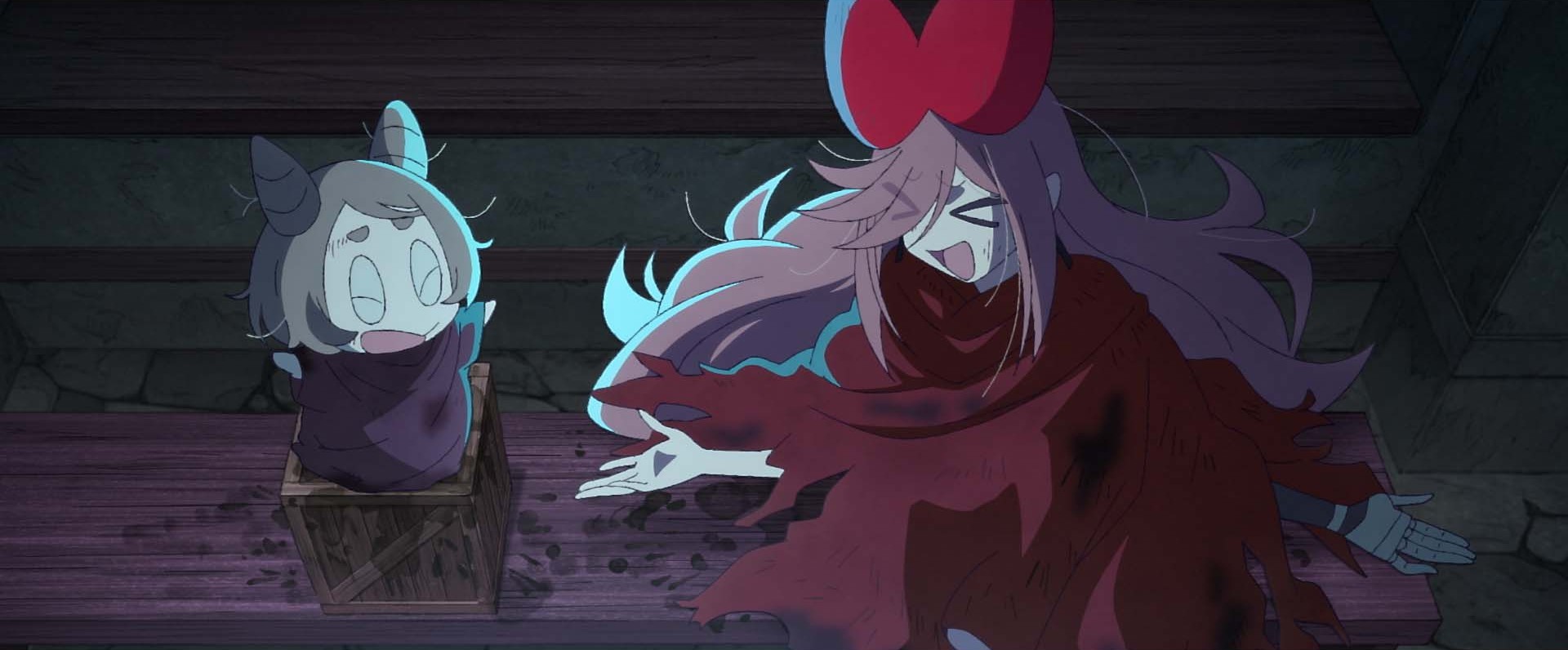
There’s a moment toward the end where the film becomes more comedic, almost elastic in a Looney Tunes way. Why did you choose to sort of break away from the tone in that moment and play with the art style?
Looking at theater, there’s tragedy and there’s comedy, and I think a lot of the story in The Ribbon Hero is quite tragic. But going back to my earlier comment about entertainment, there needs to be some amount of comedy or comic relief for there to be entertainment as well. And I think the two coexist in a way. So what I wanted to do was really capture Sapphire’s character development and progression, her character arc, and how she kind of overcame her own tragedy and then entered the realm of comedy. So, in terms of visual expression, the tone also shifted to a little more of a light comedy.