
Picture Courtesy of Saara Bergström, Next Games and Netflix
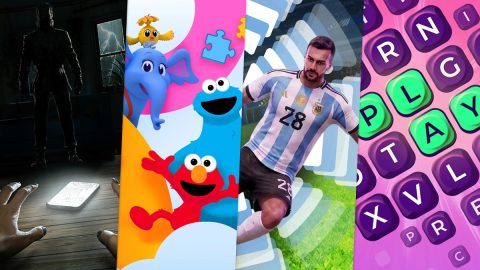
Netflix’s gaming catalog has been changing dramatically, shifting mobile experiences into living-room party staples. At the forefront of this cloud gaming revolution is Next Games. The Helsinki-based studio, which officially joined Netflix in 2022, has been leading the charge in redefining what a video game on the streaming platform can look—and play—like. By utilizing Netflix’s cloud infrastructure to turn smartphones into intuitive controllers, they’ve managed to turn the biggest screen in your house into a communal arcade.
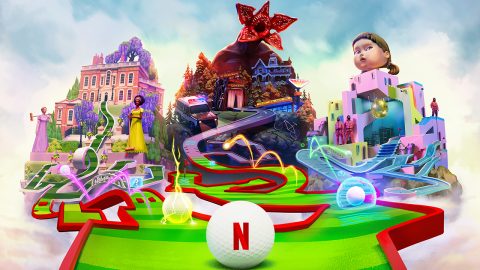
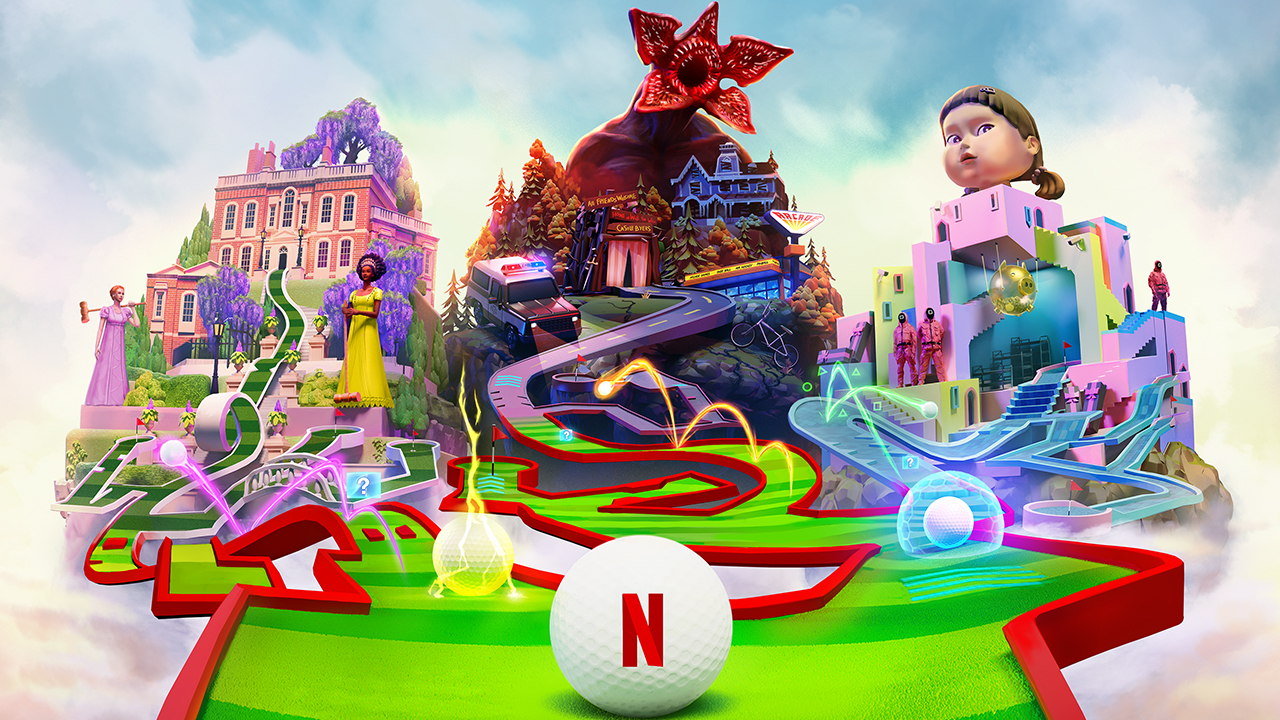
Their latest release, Netflix Minigolf, is a chaotic, colorful collision of classic putt-putt and Netflix’s biggest original IPs. Whether you’re avoiding Demogorgons in Hawkins, dodging the watchful eye of Squid Game’s Young-Hee, or putting through the gardens of Bridgerton, the game is designed to be the ultimate date-night or party-night favorite.
To peel back the curtain on how this crossover came to life and talk about Netflix’s move into the living room, we got to put questions to Saara Bergström, Managing Director at Next Games since 2023. Saara has been instrumental in guiding the studio’s vision within Netflix, overseeing everything from their early experiments like Underwatermelon to their current slate of interactive living room titles, including the initial roster of Boggle, Pictionary, and Party Crashers, as well as the Netflix Puzzled app.
Here’s what she had to say about developing Netflix Minigolf, balancing the chaos of party games, and the exciting future of cloud gaming on the platform.
Can you talk about how many people worked on Netflix’s new minigolf title and when you started working on it?
The idea of a Minigolf party game on Netflix has existed for some time, and we’ve toyed around with the concept a fair bit, but the actual production took about a year. We initially had a very small core team on the game, which has now evolved into a team of around 15-20 people. We do leverage expertise from outside of the studio too, though, and have been lucky to work with many amazing professionals along the way.
How did you come about deciding the three main Netflix titles to dive into: Stranger Things, Squid Game, and Bridgerton? Did you opt for titles with the biggest swing to draw eyeballs or ones that were most interesting when it came to designing stages and obstacles?
It’s a combination of multiple things, including the ones you mention. The most important thing for us in this process is to really focus on nailing the spirit of the shows, characters, and worlds our members love so much—certainly with the obstacles and course design, but definitely conveying the mood. We put a lot of effort into treating the original story with respect and staying true to the setting.
Picture Credit: Netflix
I have to ask, what other Netflix Originals seem ripe for their own levels in the future?
For sure! While I can’t yet talk a lot about the future plans, what I can say is that we are already hard at work bringing the next franchises and more courses to life in this game. We are lucky to have such an inspiring breadth of IP to choose from.
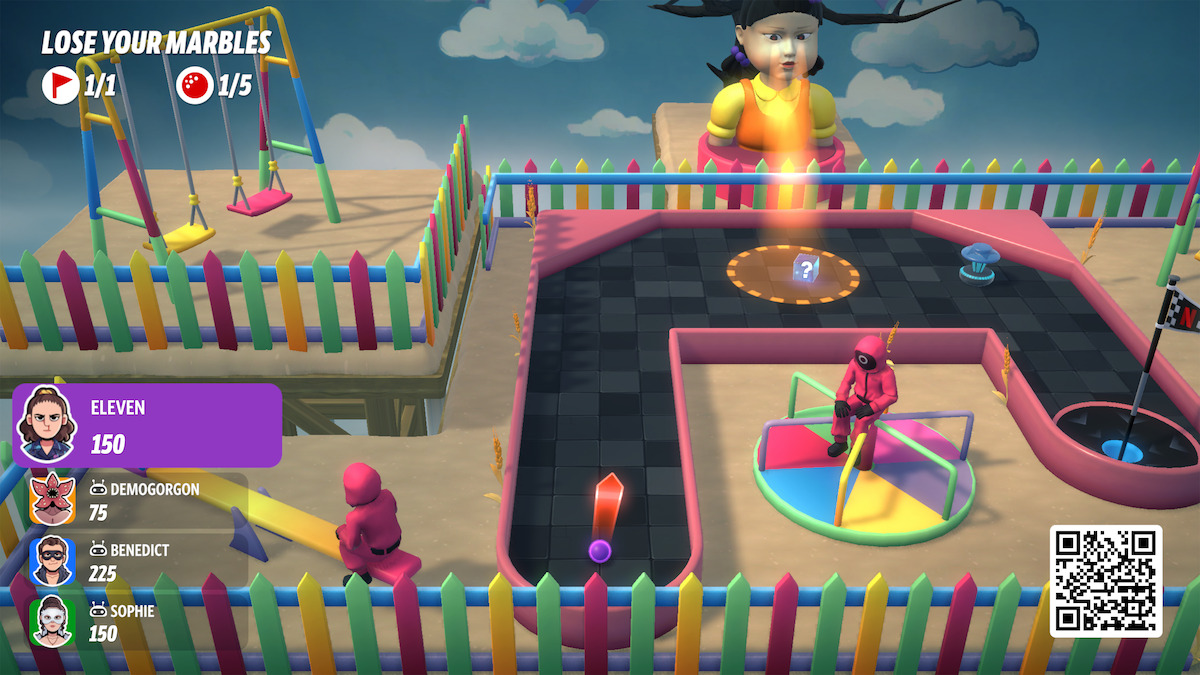
How did you decide on the inputs for this game? You’ve got the main swing and turn itself—how hard was it to design a way of controlling the ball without the player actually looking at their phone? You’ve also got communication and the power-ups up top too and limited space to play with.
It’s actually a lot harder than what you’d think. Our design philosophy with our party games focuses a lot on making sure we provoke reactions and emotions in the room. One of the cornerstones of our design process is to make sure the “roomplay,” as we call it, is there and that the interaction among the players in the room, and between the big screen and the controllers, is purposeful and smooth. It takes a lot of trial and error. We do a lot of playtesting not only in the studio, but more broadly at Netflix, but also with external focus groups to make sure we nail it.
The powerup system is my unexpected favorite aspect of the game, and I like that what you have is hidden from other players. How many of these powerups are in the game, and did you test any that were taken out because they were too nefarious?
I think I’ll keep the number of powerups we have to myself, just to not spoil the surprise for folks who haven’t played yet. The powerup system was one of the most challenging parts to design and get right. During development, we went through a whole spectrum of them feeling boring and not additive to the other end of them making the game too chaotic and frustrating, to a point where we contemplated removing them completely. I’m glad the team was so resilient and trusted their gut. I feel really good about where the team landed, but this was definitely one of the aspects that took some time to polish.
I noticed playing throughout the levels that there are so many little visual easter eggs on display for fans of the shows—is there any tucked away or hidden that you can think of?
Ha! Well, they wouldn’t be hidden if I revealed all of them. But you are right, I’m proud of the team doing a wonderful job in researching the IPs we worked on, understanding what the fans of those shows really appreciate in them, and tapping into that in the game.
Picture Credit: Netflix
Netflix’s Big Push Into Cloud Gaming and Your Living Room
Next Games has really led the charge when it comes to the party/cloud gaming push, which is still relatively fresh. Can you talk about when you began developing games behind the scenes for this push, how the platform evolved throughout its development, major pain points, and what the technology allows you to do vs. titles you’ve worked on previously?
We at Next Games have been really excited about the cloud opportunity ever since it was floated for us a few years back. I personally feel it’s such a no-brainer for Netflix to innovate in this space and carve our own path vs. trying to replicate games or experiences that already exist elsewhere or are optimized for other platforms.
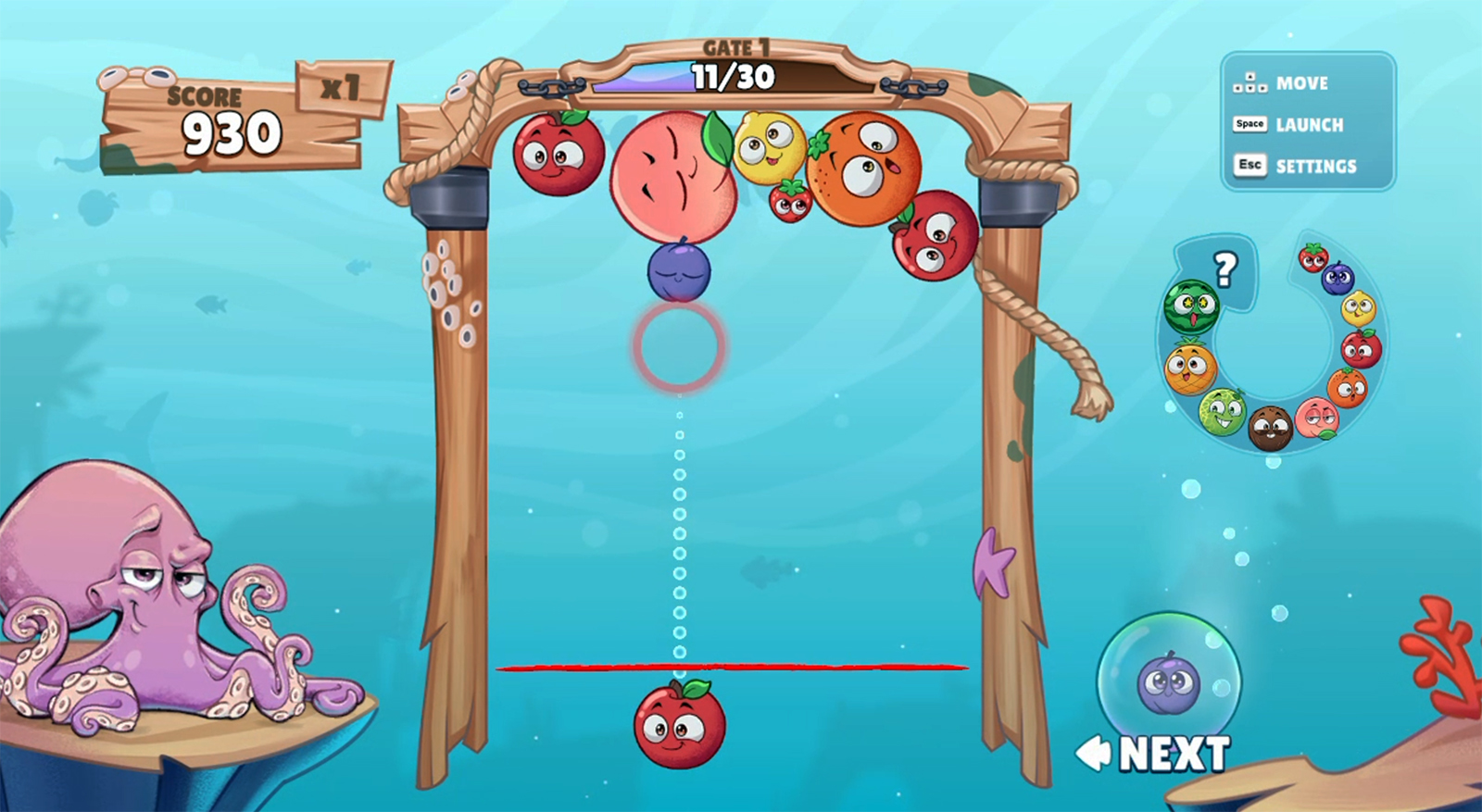
At Next Games, we are passionate about creating games for a really broad spectrum of our members that don’t require a massive mental load to get started with, but offer a bit more depth and connection for those who want it. For our studio, Underwatermelon was the first experiment we released in this space in 2024. We have now launched four other party games: Pictionary: Game Night, Boggle Party, Partycrashers, and of course Netflix Minigolf, with each game giving us lots of learnings.
Unhinged from your sister studio Night School Studios really demonstrates that you can expect the unexpected from this technology. Are there any genres you think would work unexpectedly well, and are there any that wouldn’t?
Unsurprisingly, I am a huge believer in the opportunity in the party games space and feel like we have barely scratched the surface there. We have a few things cooking in the studio now that are bordering between games and social experiences, and I’m excited about what we can do there. More to come!
Finally, which of your games you’ve worked on for Netflix so far is your favorite or perhaps a hidden gem from the games you’ve played but haven’t had a hand in?
I absolutely love every single game we’ve made during our time at Netflix. If I had to pick one game that has a very special meaning to me personally, it would have to be Underwatermelon. Despite the game being a very simple game, it was the game that started all this, gave us a ton of learnings, and eventually led us to where we are today.
Picture: Netflix
Netflix Minigolf is available to play now on Netflix via Cloud Gaming, requiring no additional downloads, ads, or in-app purchases. Just scan the QR code on your TV with your smartphone to join the chaos alone or with three others.