
Pictures via Netflix
Netflix’s content strategy has evolved dramatically since the ‘Golden Age’ of streaming. Gone are the days of “Peak TV,” when the streamer would throw billions at the wall—greenlighting every conceivable format and genre—just to see what stuck. Today, Netflix operates as a highly disciplined, data-driven machine, but that’s meant some formats and genres have fallen out of favor or gone away entirely.
From topical late-night desks to interactive experiments, here is a look at the formats Netflix has largely abandoned in recent years—and what they’re doing instead.
1. The Talk Show
There was a time when Netflix desperately wanted to be your late-night destination. In the early years, they threw massive contracts at Chelsea Handler, Michelle Wolf, Joel McHale, and Hasan Minhaj in an attempt to modernize the traditional desk-and-monologue format.
The traditional talk show is fundamentally incompatible with the streaming binge model and, increasingly, with its old cable model, too, as the ice cube of cable subscription fees fades and more people cut the cord entirely for the better (I don’t care what Twitter says) streaming experience.
There are a bunch of reasons these formats haven’t worked specifically on Netflix. From the UI (until recently) not surfacing weekly episodes very well to just the topical nature of what’s spoken about, it’s a format that’s entirely shifted to podcasts, which predominantly call YouTube and Spotify their homes, although, as we’ll come onto in a second, Netflix hopes it can squeeze in.
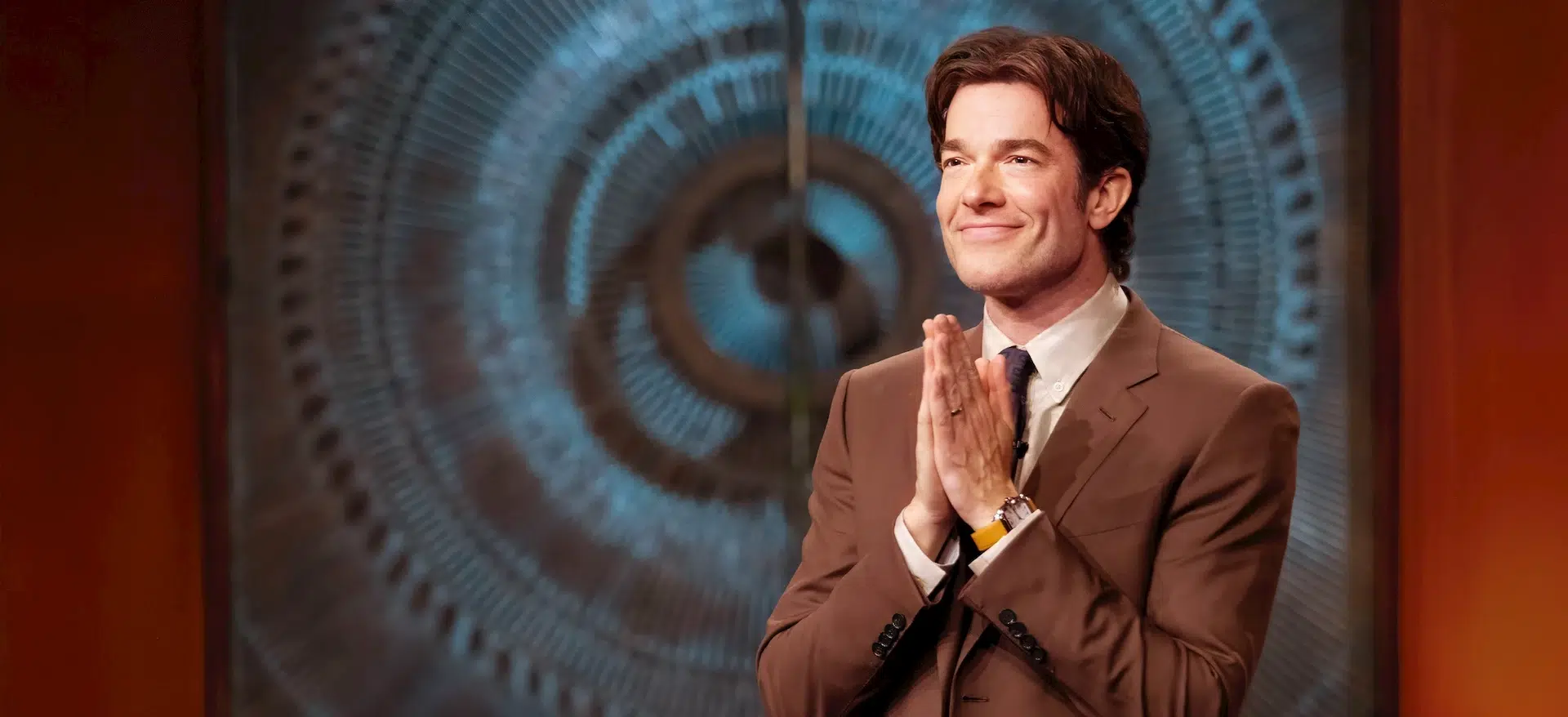
Chelsea Handler’s iteration of the talk show was much more akin to what you’d find elsewhere on Late Night, but numerous formats, trying to mimic Tonight with John Oliver, with Hasan Minhaj and Joel McHale’s efforts mimicking the sort of stuff that worked on Comedy Central 20 years ago. Even its most recent attempt with John Mulaney in 2025, despite earning awards, attention, and critical acclaim, didn’t really pop the way Netflix would’ve hoped. It got ordered for a second season, but it’s increasingly unclear whether it’ll ever see the light of day.
Picture: Netflix
Recent reports show that traditional talk formats on streaming platforms suffer from low engagement and retention, and for the most part, all the talk shows mentioned don’t even reside on Netflix anymore, but rather clips on YouTube, which are difficult to make work financially, given the nature of advertising on that platform and the costs associated.
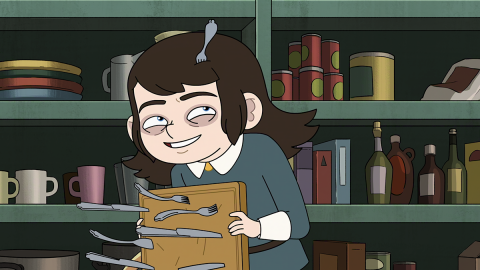
As mentioned, Netflix’s big pivot in this genre is podcasts, which have grown to a catalog of over 50 titles in the US. According to executives on earnings calls and elsewhere, it’s working well so far, though the proof will be in whether Netflix is still heavily investing in the space a year or two from now.
2. High-Budget Young Adult (YA) Fantasy
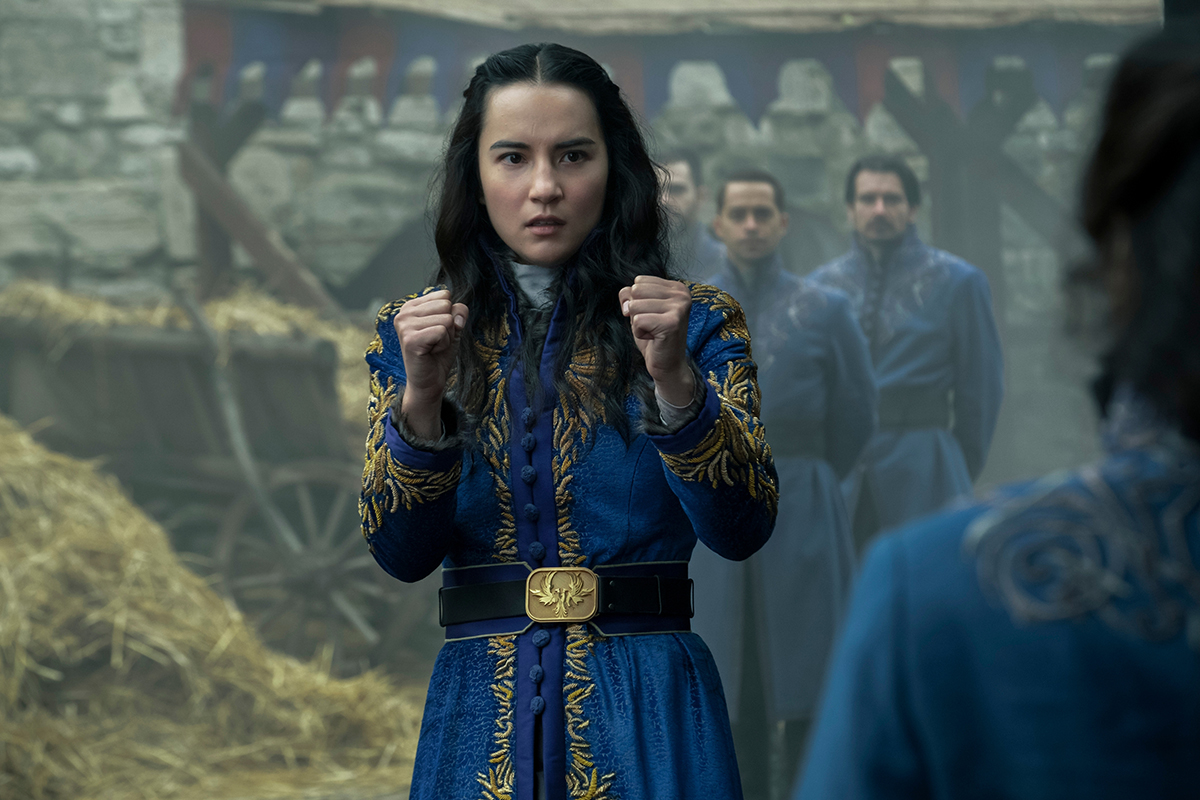
If there is one genre responsible for the infamous “Netflix Cancellation Curse” trend on social media, it’s YA Fantasy. For a few years, Netflix was greenlighting supernatural teen dramas at an astonishing clip. Think Shadow and Bone, Lockwood & Co., Fate: The Winx Saga, The Bastard Son & The Devil Himself, Warrior Nun, and First Kill.
High budgets, low viewership, and lower completion rates. YA Fantasy is incredibly expensive to produce. Magic powers, sprawling fantasy worlds, and heavy CGI mean episode budgets easily creep north of $10 million. To justify a Season 2, Netflix usually requires a completion rate of over 50% (meaning more than half of the people who start episode one actually finish the season). Shows like First Kill racked up solid initial “Hours Viewed” metrics but had abysmal completion rates. Netflix simply grew tired of financing massive VFX budgets only to cancel them weeks later and face the wrath of mobilized, angry fandoms on X (formerly Twitter).
Netflix hasn’t abandoned the IP space or even the fantasy genre altogether, instead opting to go all-in on proven, massive IP. Netflix is still doing fantasy, but they are no longer taking risks on mid-tier YA novels. They are putting all their chips into established, globally recognized properties like the live-action adaptations of Avatar: The Last Airbender and One Piece.
Picture Credit: Netflix
3. Interactive Specials (“Choose Your Own Adventure”)
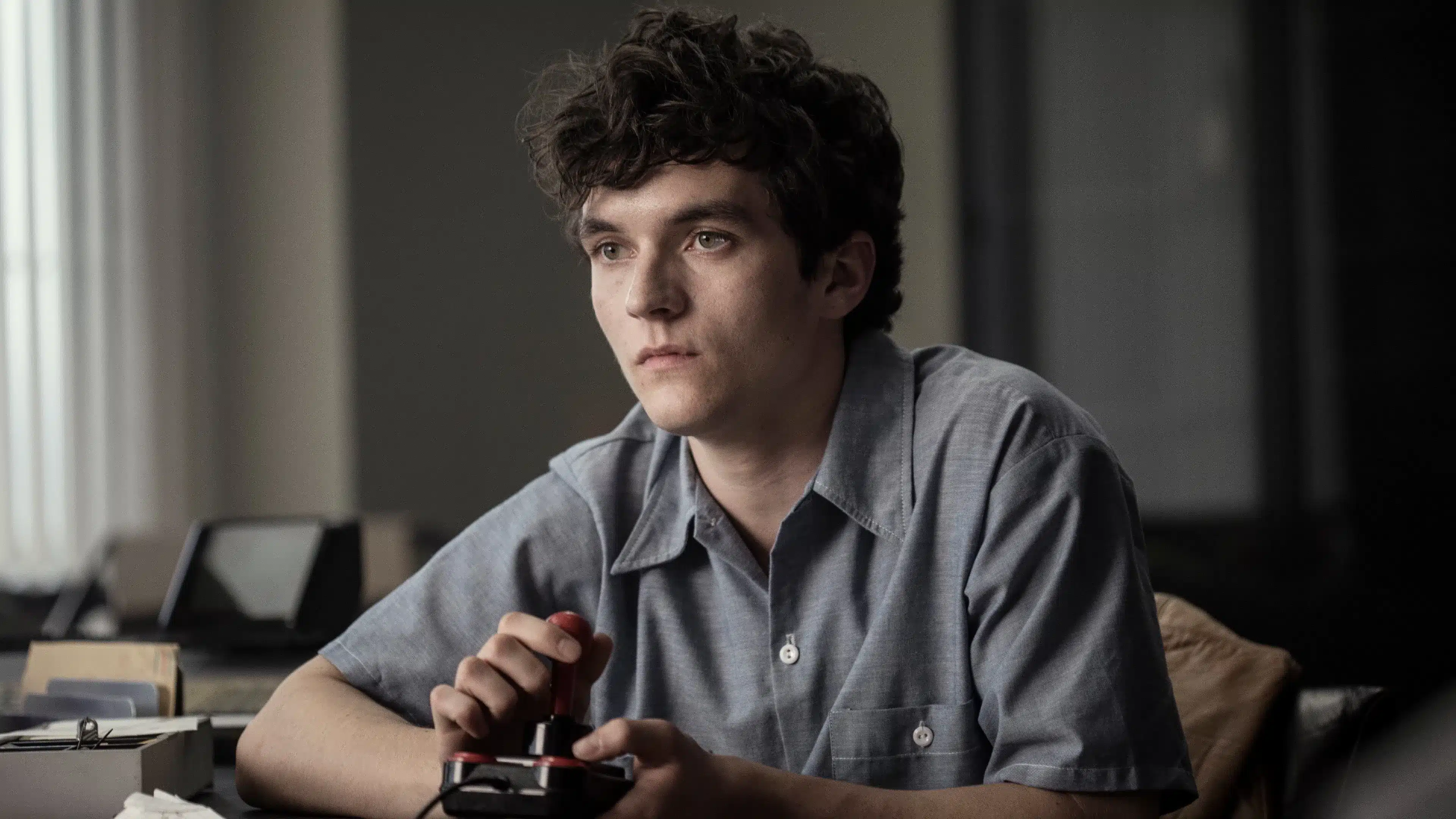
Black Mirror: Bandersnatch was perhaps the pinnacle of this technology that Netflix experimented with throughout the late 2010s. While never a priority at Netflix, the streamer invested in the tech, rolling out interactive specials for Unbreakable Kimmy Schmidt, Carmen Sandiego, The Boss Baby, and daily trivia games like Trivia Quest.
We don’t really know why Netflix decided to exit interactive specials entirely. Perhaps engagement didn’t justify the massive cost of producing these interactive specials, or perhaps it was actually too limited in functionality to justify investing more in it. Then, once you’re not producing anything new, keeping all that code alive and working across hundreds of devices no longer becomes viable.
What we do know is that they pivoted to actual video games. Netflix realized that users who want to play games would rather just play games. They shifted their interactive ambitions entirely over to the Netflix Mobile Gaming division, snapping up massive titles like the GTA Trilogy and tying games directly into their IP (like Too Hot to Handle mobile games), although even their efforts have not been plain sailing.
Picture Credit: Netflix
5. The “Blank Check” Action Blockbuster (?)
A few years ago, under former Film Chief Scott Stuber, Netflix’s movie strategy was to secure massive A-list movie stars, give them a blockbuster theatrical budget, and let them blow things up. This era gave us Red Notice, The Gray Man, 6 Underground, Heart of Stone, and perhaps the poster boy for this wild spending, The Electric State, but amid a major pullback and change in the top chair we’re seeing, these massive budget bets aren’t quite as commonplace.
Whether these are outright failures is more a matter of perspective. For all the talk of many of these massive budget swings being wastes of money and generally poor quality, viewership mostly followed, with many still topping the all-time charts and doing very well.
That said, it’s often argued that a movie like Red Notice, which still holds the #2 spot on Netflix’s all-time Most Popular English Films list, spending upwards of $200 million on a single two-hour movie, doesn’t drive sustained subscriber growth or retention the way a $200 million, 10-episode television series does. Furthermore, these films routinely received poor critical reception, leading to the “Netflix movies look cheap/like algorithmic slop” narrative that the company definitely takes to heart.
When Dan Lin took over the film division in early 2024, he seemed to have pivoted to a highly targeted, disciplined, slimmer slate, and it’s paying off thus far. That doesn’t rule out big spending swings, though. David Fincher and Greta Gerwig are definitely falling into that camp with their Cliff Booth and Narnia movies, respectively, but still, the exorbitant days of The Electric State seem in the rearview mirror, although we doubt that’ll keep groupthink on Twitter happy…
6. The Multi-Cam Sitcom
In the early days of original programming, Netflix spent big in this genre with The Ranch and the nostalgia-fueled Fuller House. Believing they had cracked the code for the traditional multi-cam, laugh-track sitcom, they subsequently churned out a slew of them: The Crew, Country Comfort, Pretty Smart, Family Reunion, and the single-cam-but-sitcom-vibes Blockbuster. Almost all of them died swift, quiet deaths after a single season.
Sitcoms traditionally build their audiences slowly through weekly syndication and linear TV repetition—something Netflix’s algorithm doesn’t naturally support. A sitcom needs to become background comfort food, which requires a massive volume of episodes. The final nail in the coffin came in late 2024 when Netflix officially canceled That ’90s Show after just two fragmented seasons. Despite the heavy nostalgia bait and legacy cameos, it simply couldn’t hold audience attention over the long term.
There does seem to be one major exception to this rule right now: Leanne, which premiered with a massive 16-episode first season. Although our understanding is that it’s been shortened for season 2, it’s a rare success in the space.
Netflix is invested in comedy of other sorts with comedian-led titles like Tires, Bad Thoughts, and Free Bert, but also higher-concept titles like Nobody Wants This and The Four Seasons, and those do seem to do better.
7. Live-Action Kids & Teen Sitcoms
Trying to beat the Disney Channel and Nickelodeon at their own game used to be a major priority for Netflix’s Family division. They churned out multi-cam, live-action sitcoms aimed at tweens, including Alexa & Katie, No Good Nick, The Big Show Show, The Expanding Universe of Ashley Garcia, and Family Reunion.
The target demographic shifted their viewing habits entirely. Today’s tweens and teenagers largely consume short-form content on YouTube and TikTok. For parents looking for “safe, structured” live-action viewing for their kids, Disney+ effectively monopolized that space the moment it launched. The viewership for Netflix’s live-action tween sitcoms fell off a cliff, and the genre was quietly shuttered.
While animation is still king for kids on Netflix, they have had some bigger successes as of late, but they are fundamentally different from the shows of prior years with titles like Finding Her Edge and Geek Girl having bigger budgets, being more drama-focused, and seemingly netting a wider demographic than what Disney and Nickelodeon successfully targeted throughout the 2000s and 2010s.
That said, Netflix is going to try the genre again with a new Victorious spin-off later this year.
A couple more honorable mentions:
- Adult animated sitcoms – This is a genre that’s really struggled for viewership and renewals, with many shows in this genre, not named Big Mouth at least, struggling to get (actual) renewals.
- Co-productions/Co-distribution – While co-productions are still commonplace, there aren’t many that resemble Netflix’s early days, where Netflix would pick up AMC’s Better Call Saul, for example, and slap its own logo on it and distribute it internationally. There are more examples on the co-productions side, but even those aren’t quite as commonplace as the early days, as Netflix builds out primarily for itself.
What do you think? Have we got any of our picks wrong? Are there any other genres and formats you think Netflix has given up on? Let us know down below.