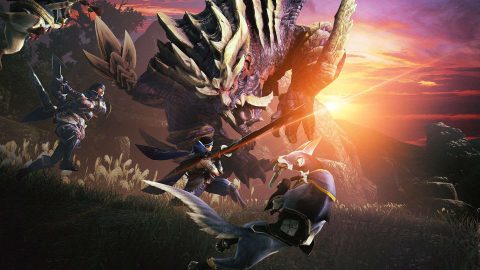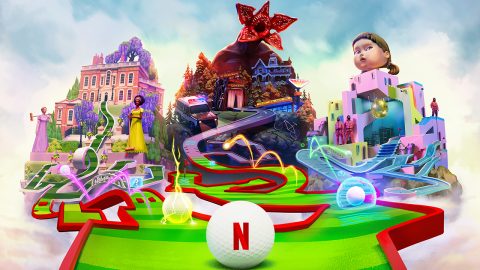

Pictures: Netflix
When Netflix first announced its foray into video games a few years ago, the response was mixed. Could a streaming giant known for binge-worthy television really make a dent in the highly competitive gaming market? There have been plenty of ups (and more than its fair share of downs). But based on the company’s Q2 2026 earnings call this week, it sounds like Netflix’s gaming division might finally be leveling up.
During Netflix’s Q2 2026 earnings interview, co-CEO Greg Peters laid out exactly how the platform’s gaming initiatives—specifically its cloud gaming and kids’ offerings—are showing massive signs of life. Here is a breakdown of why Netflix executives are finally starting to declare their video game strategy a win after a rocky few years.
Before we look at the newfound confidence in the space, it’s vital to put it into the context of what has been happening behind the scenes at Netflix Games over the last few years. If you read What’s on Netflix regularly, you know we’ve been documenting the ups and downs of their efforts thus far.
Kicking off in late 2021, Netflix’s gaming ambitions looked grand, although they started modestly with a slate of mobile offerings from partners around the globe. Over time, that mobile offering expanded to well over 120 titles, with most games coming from established studios that ported ad-supported or paid titles to Netflix.
The implementation has never been perfect, with the games themselves primarily living on Google Play and iOS app stores because of how these devices’ architectures work. Behind the scenes, Netflix began bigger infrastructure development, introducing things like gamer handles and achievements, although they were never widely used across the entire slate of titles.
By 2024, it was clear that, while there were some wins in the space, not everything was working. Over the next couple of years, we saw an exodus of games from the library and upcoming games either scrapped or abandoned altogether, like Harmonium, Chicken Run: Eggstraction, among many others. 2025 was also a massive year for games exiting the library, beginning in the summer and continuing through the end of the year.

Grand Theft Auto: San Andreas was cited as one of the early success for Netflix but has since been removed
More alarmingly, the streamer fundamentally restructured its internal development footprint. Netflix shut down Boss Fight Entertainment (the studio behind Squid Game: Unleashed) following mass layoffs and parted ways with Spry Fox, one of its earliest acquisitions.
For a moment, the future of Netflix Games looked bleak. But as it turns out, the streamer was simply trimming the fat on its mobile library to fuel a massive push into a much more natural habitat: your living room TV.
Despite the mobile retreat, Peters made sure to remind investors exactly why Netflix is bothering with games in the first place: the sheer size of the prize. “I’ll start by reminding folks of the market opportunity here,” Peters stated. “This is roughly $150 billion in consumer spend, ex-China, ex-Russia, and doesn’t include ad revenue. We’ve been building some solid foundations. Now we’re seeing exciting positive signals that help inform and give us increased conviction in our future growth…”
Netflix’s cloud gaming push, which is not yet rolled out globally, allows users to play games on their TVs using their connected mobile devices. As of the time of writing, there are now 22 cloud game offerings ranging from puzzle, party, arcade, and interactive story titles. These are all played natively within the Netflix app, reducing the barrier to entry. Most importantly, these games offer a unique experience that puts Netflix leagues ahead of rival streamers who have yet to even enter the space.
While not every game is a smash hit—our own review found the recent FIFA game to be a particular disappointment—these games occupy a unique space in the industry, one arguably untouched since the days of the Nintendo Wii. By offering a low barrier to entry and targeting casual, everyday audiences, Netflix’s cloud gaming stands in stark contrast to the expensive hardware and harshly competitive offerings of modern console and PC gaming.
Cloud Gaming on TVs Is Outpacing Mobile
The biggest revelation from the earnings call is just how successful Netflix’s pivot to cloud gaming has been. While the initial mobile game rollout required users to jump through hoops and download games separately from the app store, cloud gaming allows members to play directly on their TVs and connected devices using their phones as controllers or standard remotes.
According to Peters, this friction-free strategy is working wonders. He revealed that since scaling up the cloud initiative last October, monthly active players for cloud games have skyrocketed by an astonishing 11X.
Even better for the streamer? People are sticking around. “Adoption is significantly ahead of that curve that we had for mobile games with even higher retention value,” Peters noted.
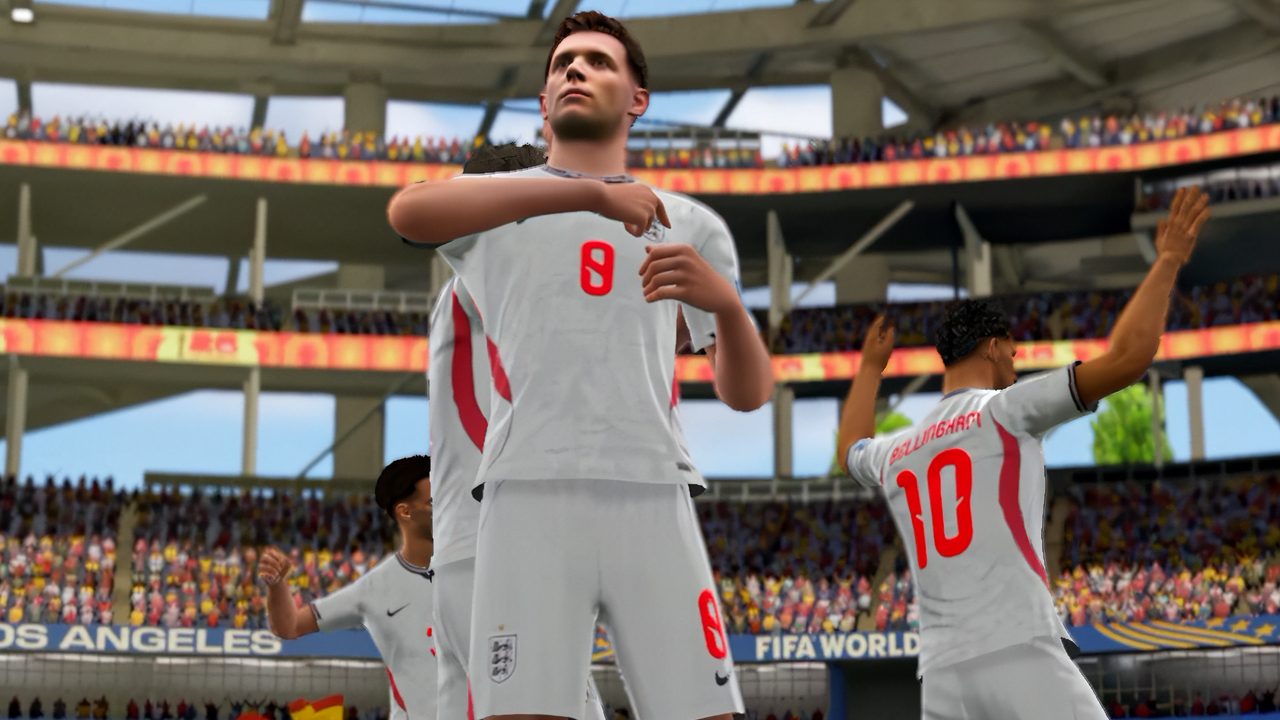
Picture Credit: Netflix
He specifically pointed to the recent additions of FIFA and Night School Studio’s new horror game Unhinged as massive drivers for this growth, noting that the two titles became the platform’s “most successful cloud game debuts,” putting up numbers that place them in the top tier of all game performance for the company.
Much of the new cloud offerings are spearheaded by Netflix’s Next Games in Helsinki, along with other unnamed internal studios within Netflix and of course, working with third-party partners.
Unlike mobile games, though, which eventually saw a daily Top 10 list introduced to measure playtime, a similar system has yet to be implemented for cloud offerings, so it’s hard to track which games are most popular; likewise, we don’t really have any context on Greg Peters’ numbers in terms of exact playing time. That’s unlike mobile games, where we could at least grab third-party data on downloads and installs.
Dominating the Kids’ Demographic
While adult gamers are being lured in by heavy hitters like FIFA and party games like Jackbox, Netflix is quietly seeing explosive growth in a completely different demographic: children.
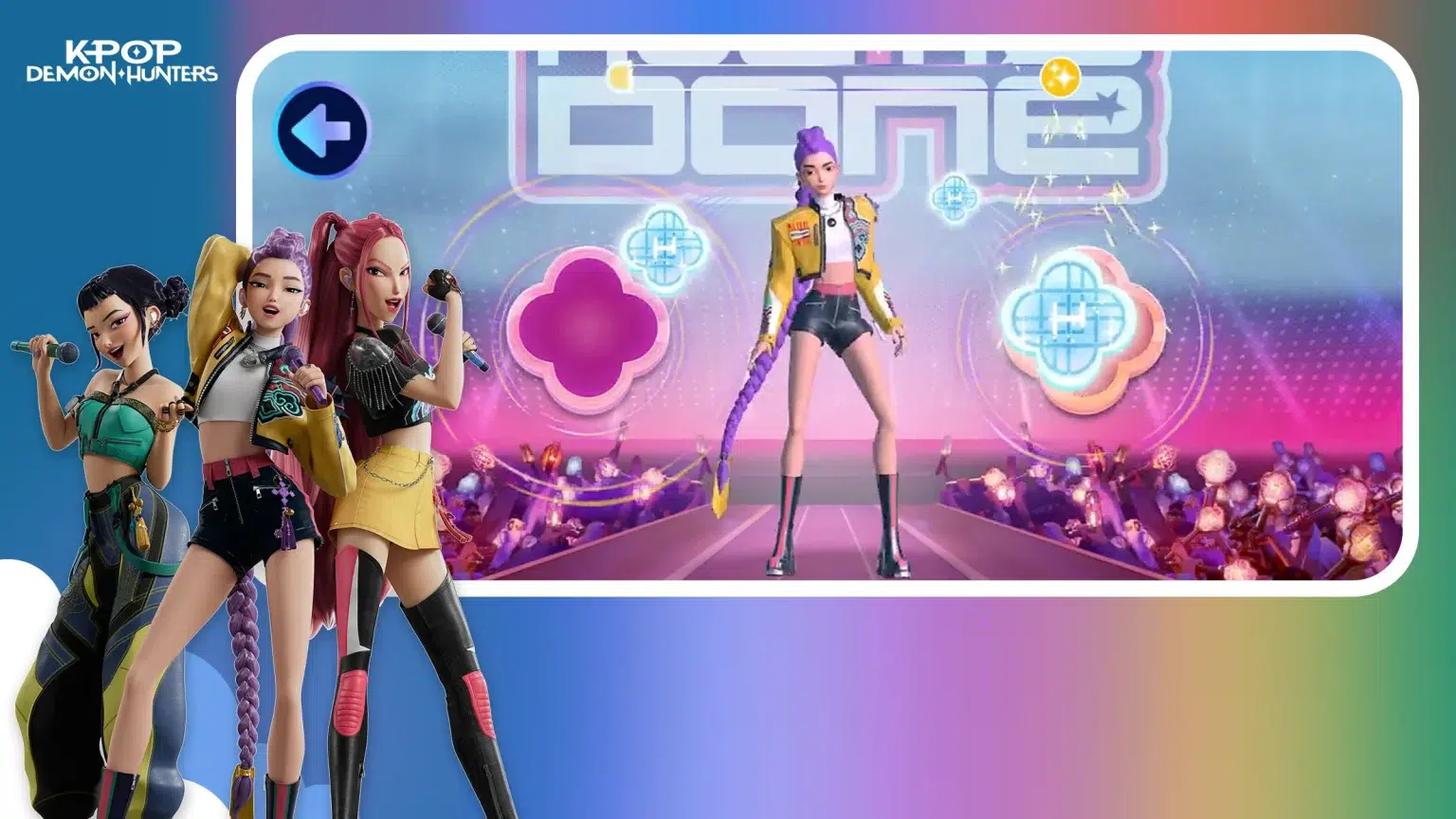
Netflix Playground—the streamer’s dedicated, curated app space for kids’ games—is continuously cited for its massive footprint and potential. The app has seen regular major updates, including tie-ins for K-pop Demon Hunters and PJ Masks over the past week. Indeed, Playground has featured in the daily Top 10s for Netflix Games for the majority of the time since its launch, with Solitaire, Football Manager Mobile 2026, Bloons TD, and Storyteller regularly competing for a spot in the Top 10s.
Even as Netflix pulls back on massive mobile titles for adults, the mobile ecosystem is still thriving for younger audiences and remains a focus. Peters noted that the Playground halo effect has caused overall engagement in kids’ mobile games on Netflix to surge by a staggering 600% year-over-year.
What’s Next for Netflix Games?
Despite these massive percentage jumps, Netflix isn’t ready to pivot away from its core TV and film business just yet. Peters was quick to temper expectations, noting that its investment in gaming remains a tiny fraction of its massive overall content budget.
“We’re just getting started here,” Peters said. “We’re scratching the surface in terms of what we think the total potential of the space offers for us.”
Going forward, subscribers can expect Netflix to continue trickling in new games and refining its cloud technology, leaning heavily into TV-based experiences rather than the standalone mobile app downloads of the past. As Peters concluded, the company will “continue to calibrate, refine our level of investment here… based on demonstrated performance, based on what is working for our members and what’s delivering returns to our business.”
Either way, it seems like, on paper, Netflix is finding its feet and finding a unique offering and voice that you cannot get elsewhere.
How are you finding Netflix’s recent pivot in gaming? Let us know in the comments below!