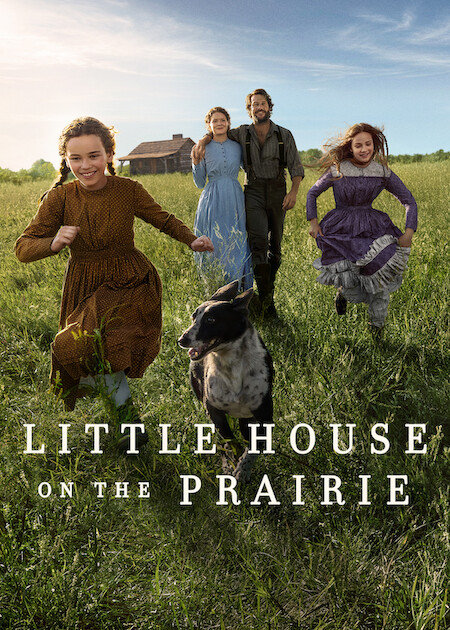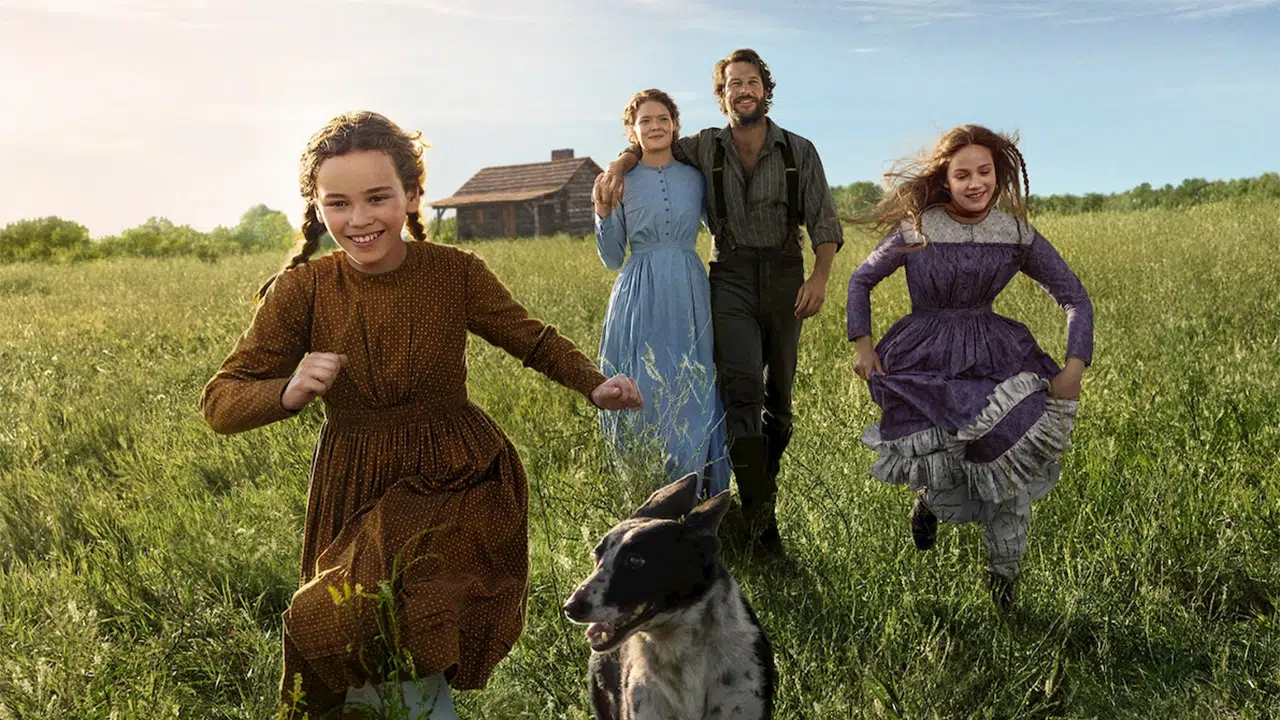
Since Netflix first announced plans for an updated adaptation of Laura Ingalls Wilder’s book series, itself the inspiration behind the popular 1974 TV series Little House on the Prairie, the focus was on the new show’s ideology rather than its content. Now that the show is finally available, was it worth the hubbub?
The content of the show is what’s paramount, and this new iteration of Little House on the Prairie is top-tier Netflix, one that capably balances contemporary viewpoints on things like Indigenous relations in a way that’s natural and organic to the storytelling. At the same time, its morality lessons on community and kindness hearken back perfectly to the original 1974 series. Add in a wondrous cast of fresh faces and established performers and it’s sad that there are only eight episodes to enjoy in this first season.
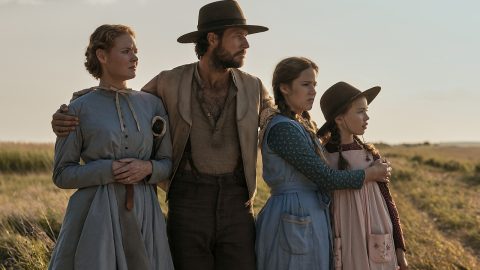
This first season follows the Ingalls clan as they leave the “Big Woods” of Wisconsin and set up shop in the fledgling town of Independence, Kansas. Seen through the eyes of young Laura (Alice Halsey), the family makes new friends while struggling to build their new home and stay financially afloat.
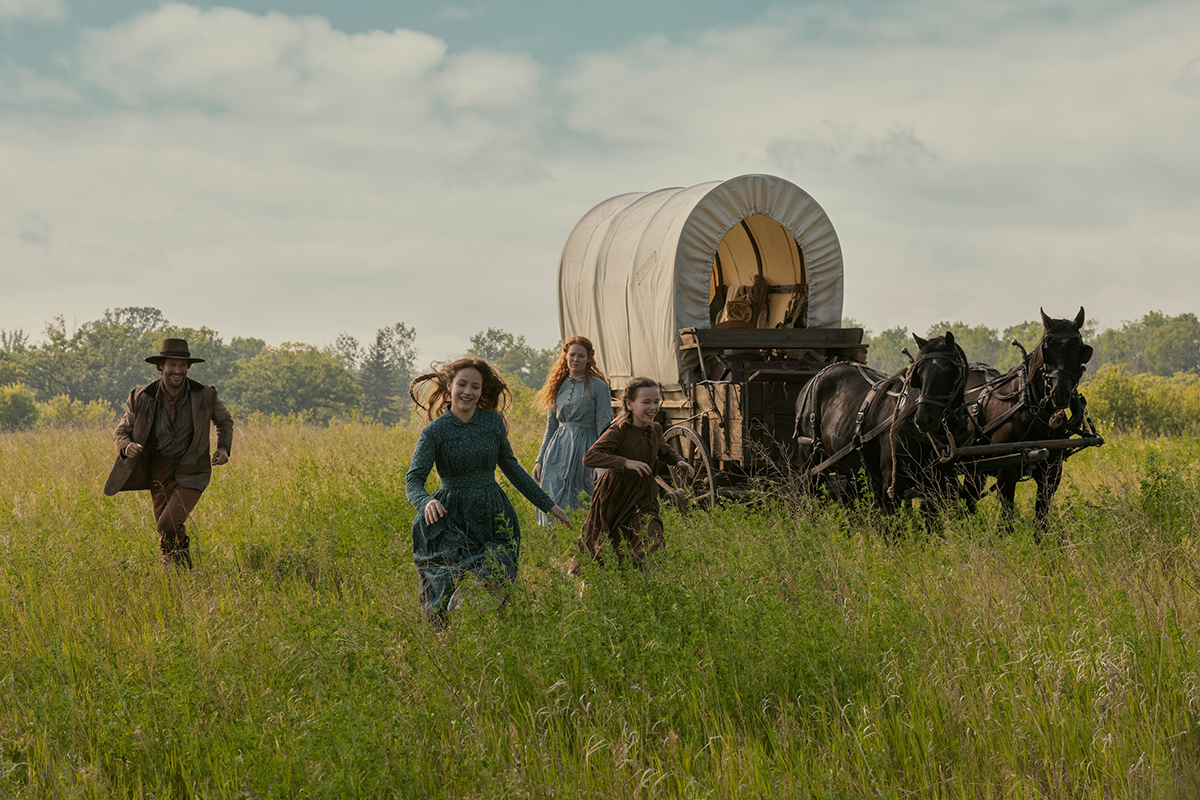
Netflix shows aimed at young girls and the family audience are some of its strongest material. Viewers, young and old, who enjoyed its adaptation of Ann M. Martin’s (canceled way too soon) series The Baby-Sitters Club will feel a similar sense of welcoming and joy watching this. The Power of the Dog cinematographer Ari Wegner sets the look for the rest of the series, introducing us to the Ingalls as they marvel at the endless expanse of sky and land lying before them on their journey to Independence.
That pilot episode – directed by Sarah Adina Smith, the first of an all-female directing team – could make one reminisce about the days of playing Oregon Trail on their computer. The family floats across a river, loses its dog Jack, and sees Caroline, aka Ma (Crosby Fitzgerald), laid up with both a hurt hand and a bleeding foot crushed by a log. And yet the show doesn’t revel in the struggles of living off the land. Its primary focus is how the Ingalls work with it, as well as the various entities who also are trying to make their way.
Cr. Eric Zachanowich/Netflix © 2026
Once the Ingalls set up in Independence, the episodes lay out roughly a year in their lives. Each of the family members has their own individual trauma and reason for wanting to start anew. Family patriarch Charles “Pa” Ingalls (Luke Bracey) struggles with guilt over his younger brother’s demise, while Caroline has a host of preconceived notions about the Indigenous as she deals with her wealthy sister’s desire for her to return home. Bracey and Fitzgerald have a strong chemistry that strengthens Ma and Pa’s partnership. Each has their own individual realm they’re working with, yet the series always emphasizes that both of them are making their home here.
Bracey is the MVP of the adult cast, his Pa a man desperately trying to atone for his sins. As the season goes on, the Ingalls struggle with money. Ma and Pa question how they’ll be able to care for the girls or keep a roof over their heads. Pa reminds Laura in the first episode that “hope is everything,” and some of the most powerful moments in the show, particularly at the end of Season 1, are when Pa himself wonders if that’s enough.
Of course, Alice Halsey’s role as Laura establishes a new take on the character, famously played by Melissa Gilbert. With a wide-brimmed hat on her head – akin to Hailee Steinfeld’s Mattie Ross in True Grit – Halsey brings a wide-eyed curiosity to her performance. When the family comes down with a fever in “Life Let Us Cherish,” it’s on Laura to try to get help. Halsey anchors nearly the entire episode with a tenacity that smothers the fear hiding behind her eyes. Contrast this with the next episode, “A Circle of Blue Sky,” wherein Laura gets to engage in little sister antics, taunting big sister Mary (Skywalker Hughes) about having a crush.
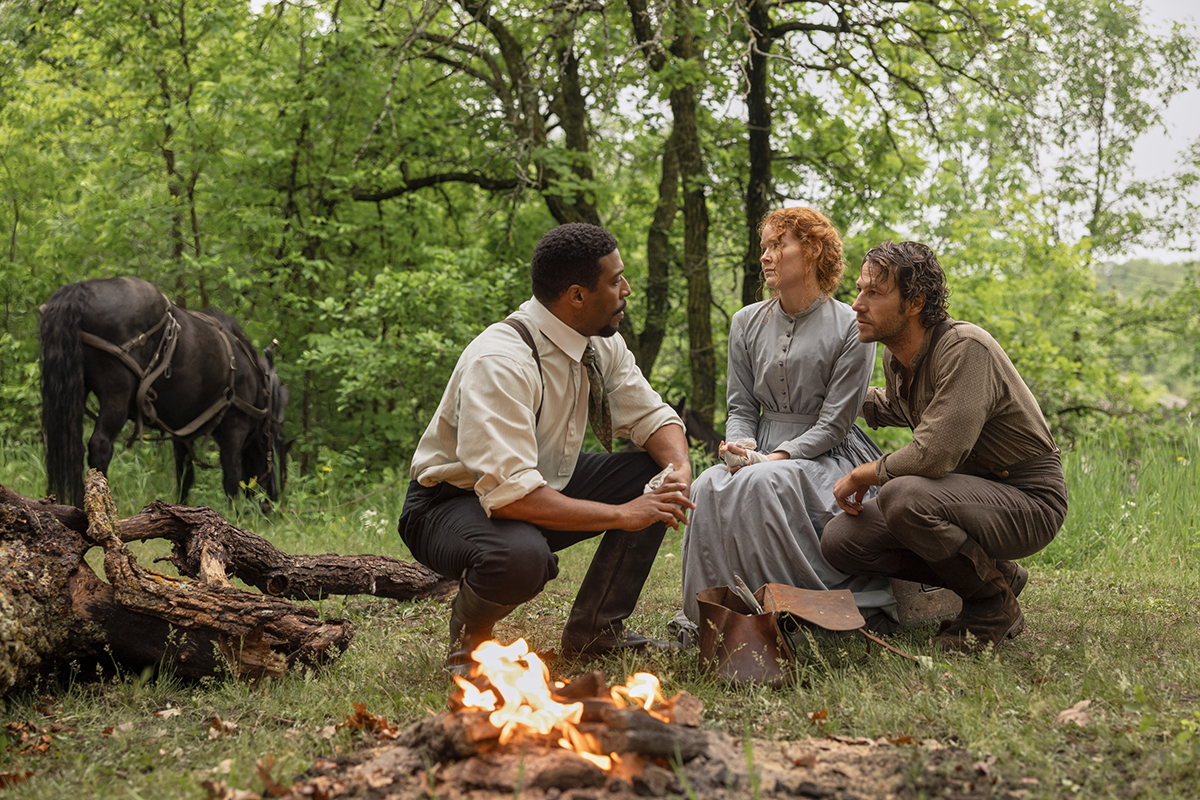
The children learn from teachable moments, but some of the harshest lessons learned in the series are focused on the adults and their penchant for racism and bigotry. Fitzgerald’s Caroline must grapple with her fears of the local Osage, a feeling at odds with her awareness of how town busybody Jemma James (Mary Holland) excludes local shop owner Emily (Barrett Doss) for being Black. But the predominant side plot involves the Osage and the question of whether they’ll sell their land. Laura becomes friends with Good Eagle (Wren Zhawenim Gotts), while Charles becomes friendly with Good Eagle’s father, William Mitchell (Meegwun Fairbrother).
Cr. Eric Zachanowich/Netflix © 2026
If there’s any darkness found within the series, it’s less the fear of living on the prairie and more these individual moments of doubt that crop up through the struggle of taming the land. In a series with several fantastic side-stories and characters, the family meets John Edwards (Warren Christie), a former soldier dealing with alcoholism and the loss of his family. Even the children struggle with questions of identity and isolation, like local shop boy Caleb (Kowen Cadorath), who lost his parents.
At a scant eight episodes (each between 45-56 minutes long), the series moves through things incredibly quickly. The Christmas episode, “Peace on Earth,” is one of the few episodes where things slow down. Beautifully directed by Erica Tremblay, this tale of appreciation is an amazing episode of television. By the time the last episode arrives, it feels all too brief. It would have been worthwhile for this first season to go for at least ten episodes (thankfully, Season 2 is already filming).
Little House on the Prairie is an extraordinary reboot. Everything packed into these eight episodes aims straight for the heart with a story about perseverance and family. Any questions of “wokeness” say more about the viewer than what’s on-screen, as the series illustrates the ideals that have crafted America, for good and bad. Stellar cast, beautifully shot — it’s a winner of a series.