Picture Credit: Netflix
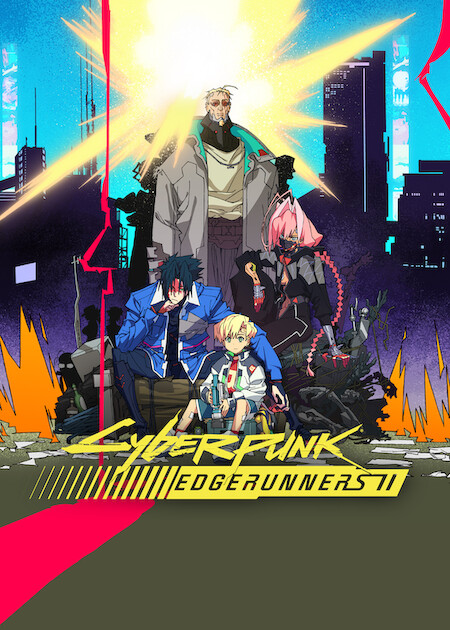
Cyberpunk: Edgerunners 2 is a new story that lives up to the bar set by its predecessor. With new showrunner Bartosz Sztybor, director Kai Ikarashi (Studio Trigger), and a long list of talented artists, the series expands the characters and world of the sci-fi action franchise. It’s well-orchestrated chaos – an intensely grand piece of animated spectacle.
“What works best about Cyberpunk: Edgerunners 2, beyond the excitement of its flexible and anarchic visuals, is how it ties its own making into its premise,” Kambole Campbell wrote in his five-star review. “It’s scrappier, messier than its predecessor but that in itself feels human. And that’s what this series is about, a search for humanity in a world which seems more and more willing to shed that in the pursuit of physical and financial power.”
Sztybor was a writer and producer on the previous chapter in the anthology series. Since then, he’s continued to build on the world, based on the hit video game, in comic books. Recently, the showrunner briefly spoke with What’s On Netflix about the vision behind Cyberpunk: Edgerunners 2.
Before starting this chapter of Cyberpunk, you rewatched Blade Runner, Akira, and Ghost in the Shell.
Honestly, before writing season two, I was more into films outside the cyberpunk genre. I was deep into the cinema of the ’90s.
Definitely some John Woo here.
John Woo, of course, but also Pulp Fiction, Léon: The Professional. My first pitch to Trigger was that, on the story level, it would be an homage to the cinema of the ’90s, which I think had the biggest influence on me.
I was watching a lot of these B-class noir movies of the early ’90s. Not very good, but with a very unique vibe. So those were the movies that inspired me to write Edgerunners 2. But also Martin Scorsese, for example.
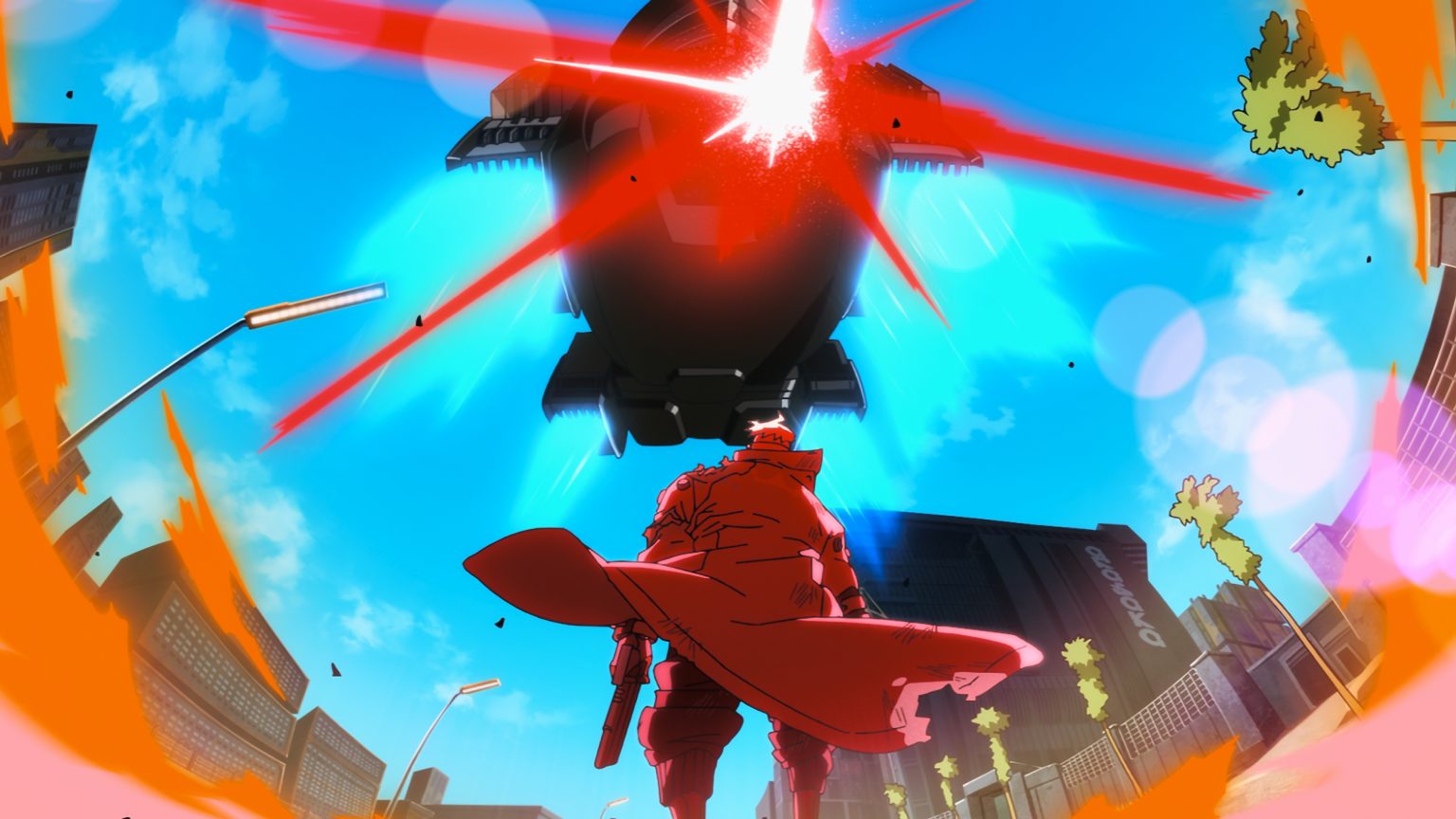
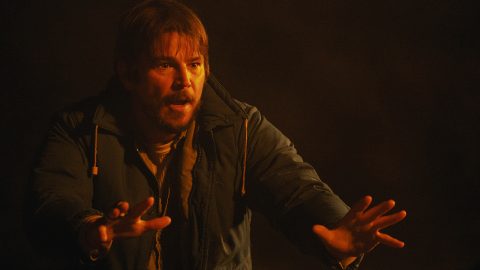
Cyberpunk: Edgerunners 2. Kentaro Tone as Weak Kingsley in Cyberpunk: Edgerunners 2. Cr. NETFLIX © 2026
Influences aside, what was the main engine of season two for you? What was the story you really wanted to tell?
It’s very, very easy. I had an idea while writing season one, and I already knew it should be season two. David’s story, but in reverse. So we have zero to hero, so now let’s tell a story of hero to zero.
I was thinking, okay, so what if David wouldn’t die? What if he would become a great, famous merc who was working for 10 or 20 years in Night City? What would happen then? But I knew that even if he would stay alive, he’s a cursed character. There’s always tragedy hanging over him.
So that’s why we have a character who is a famous edgerunner, who gets cyberpsychosis, loses all his chrome, and needs to start over.
And again, the idea for Edgerunners 2 was to have this constant dialogue with season one, to somehow show even similar situations, similar scenes, but in a different context.
So David’s story was, as I said, zero to hero, but also it was a story about discovering yourself. The story about Weak Kingsley is the same story, but he needs to rediscover himself.
Don’t want to spoil too much, but he knew who he was as an edgerunner, but now he needs to learn who he is as a parent. So while writing Edgerunners, I had similar questions to answer, but the answers are different.
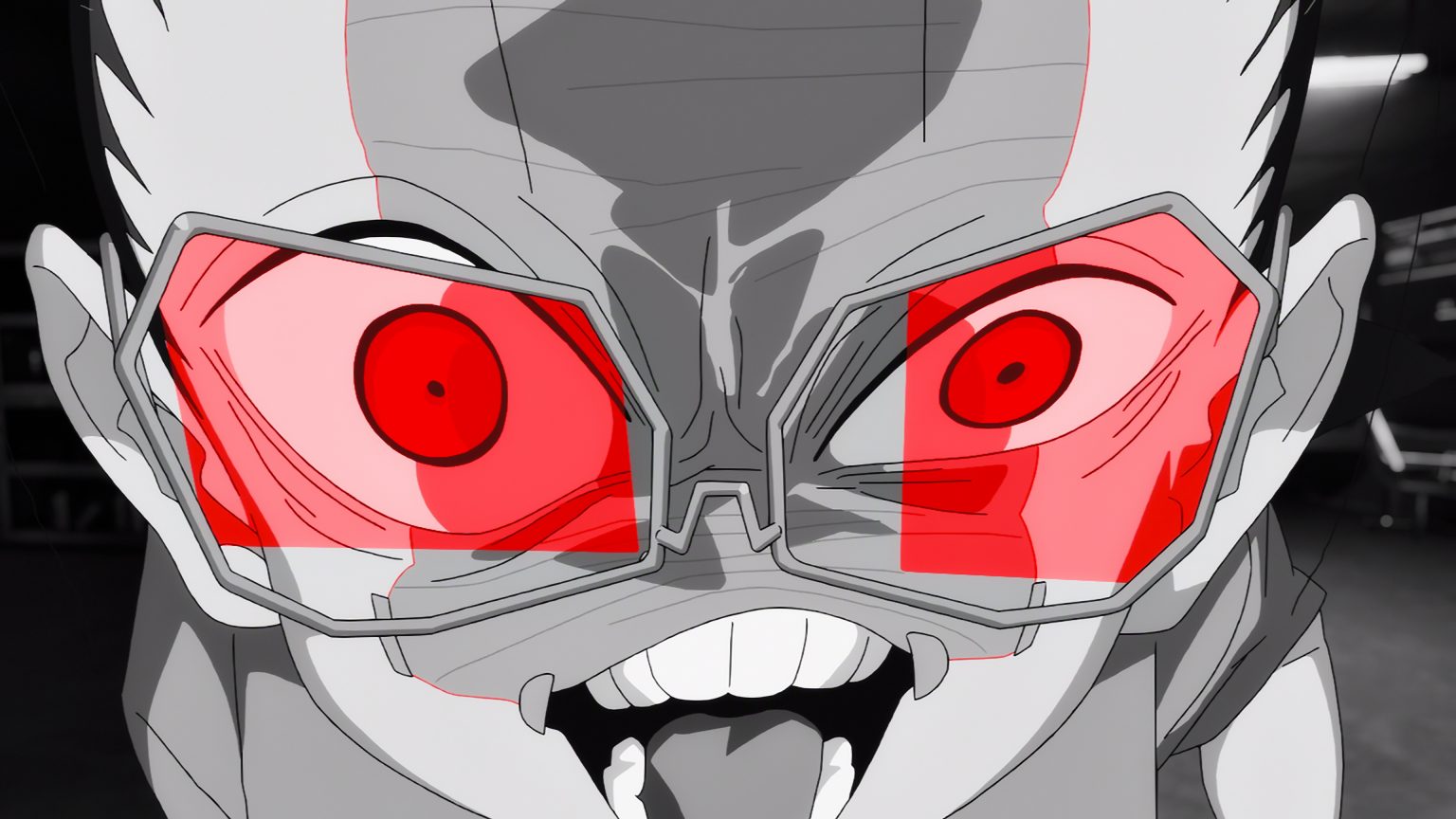
Cyberpunk: Edgerunners 2. Wasabi Mizuta as Kyoko in Cyberpunk: Edgerunners 2. Cr. NETFLIX © 2026
When writing Edgerunners, do you try to let your imagination go wild with the action and world? How much scope can you create on the page that’s practical for the animators?
Fortunately, I trust Trigger on that, and they know. They’re telling me, or when they’re rewriting the scripts, they know themselves that, “Okay, so now it’ll be five minutes of dialogue because then we need to go with this super expensive, visually bombastic scene.”
But I know what you’re talking about because when I was writing different projects, the producers were always, “Go with the flow, your imagination, put it on paper.” And then there’s always, “No, unfortunately, we can’t do it because it’s too expensive.”
But here, I think I learned a lot while writing Edgerunners. So for me, as a person who was writing normal TV or movies, writing Edgerunners, writing my first anime, was different. I thought that it would be the same thing as writing, I don’t know, live action or something like that, but it is different. There’s a different pacing, there is a different approach to the scope.
So while working on Edgerunners 2, I already knew that, okay, there needs to be that page count of dialogue to then dive into a more expensive, I would say, scene, or this episode should be more calmed down to hit emotionally in the next episode.
So I think I already knew that, and everyone at Trigger was super great.
It’s been a few years since season one. Have you seen some of the advancements they’ve made in animation?
Yeah, I saw, but I think that one of the themes of Edgerunners 2 is retro, and I also think that Studio Trigger is not using… They love craftsmanship, so it’s all about animators. So here, I think that technology didn’t change much in their approach and how Edgerunners 2 looks.
Even though their approach hasn’t changed in the last few years, given AI and the fast growth of technology, has that changed how you look at technology and approach Edgerunners?
I don’t know if maybe I’m crazy or I’m old or I’m a boomer, but I really like the… Of course, CGI can look beautiful right now. There are magicians in live-action CGI, but also in anime. And anime is using a lot of 3D, which sometimes looks amazing.
But for me, when I watch live action, I love puppets. I love practical effects, and it’s the same in anime. I really like drawn characters and animators’ passion and craftsmanship, and I think there are great animators out there who would be great without the technology that they have.

Cyberpunk: Edgerunners 2. Cr. NETFLIX © 2026
You really feel it on this show, too, just the painstaking quality of every image. Any scenes in particular where you saw the final animation and were blown away?
I love a lot of small scenes. I love the cinema scene between Talia and Roman, but also there is this scene that was in the trailers with the cars and red lightning, red bolts, and it looks amazing.
But for me, I really like the scene from episode two when you have this close-up on D’s face right before he punches and tortures Maelstrom. So those small, simple, one-frame close-ups or visual ideas, like a weird perspective, or even the flashback scenes where you suddenly have these not 100% figurative visuals with flat colors.
For me, this is, I would say, the coolest thing about Edgerunners 2. Or a scene where Roman is filming Talia, and we see it from the camera POV. Those are the things that make Edgerunners 2 visually unique.
For season one, you were really happy with just how colorful the show was, so what did you hope to achieve with the colors this time?
For me, I knew one thing: that it should look completely different from season one. So this even Disney-ish palette in season one, I wanted it to be more grounded, darker.
Again, Martin Scorsese, Mean Streets, and that’s why season two is definitely darker. The colors are flatter, without the gradients and all that. The shadows are different, the lines are thicker.
So that was the thing that we were talking about while I was still writing and were searching for this visual representation of season two. But we all knew that definitely it should be more grounded and dense.