Picture Credit: Netflix
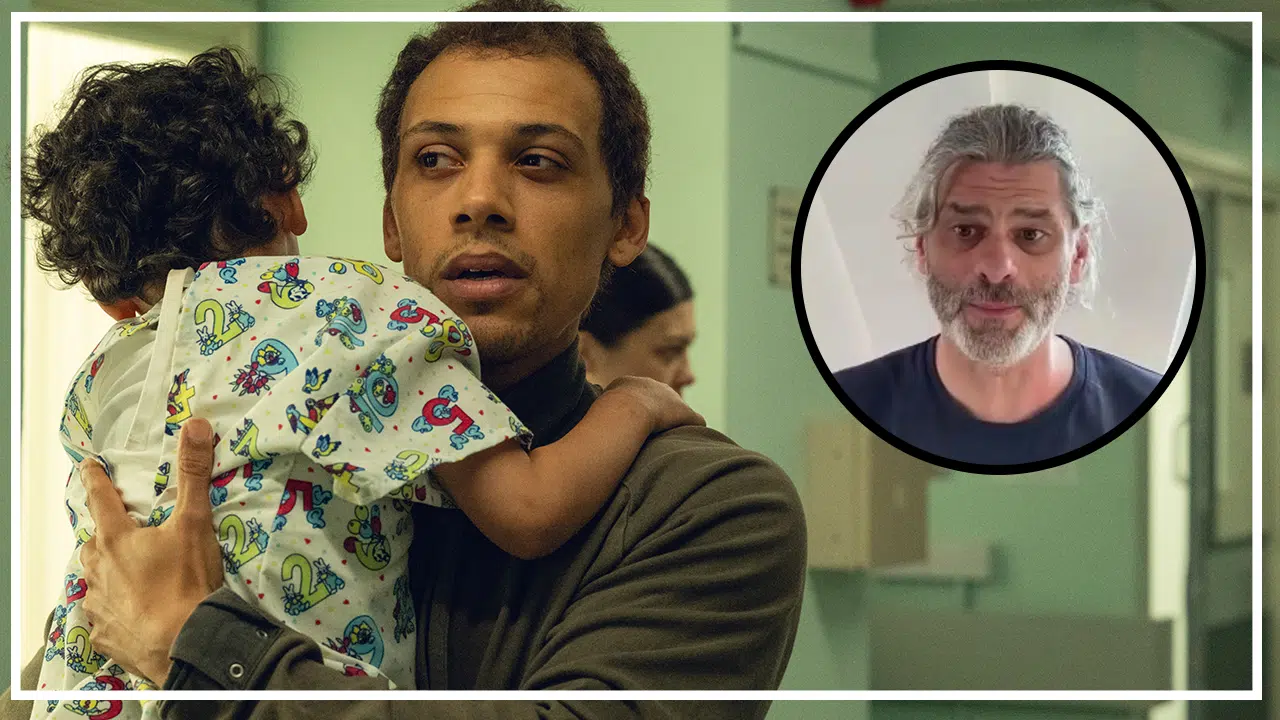
We recently sat down with acclaimed screenwriter Rob Williams to dive into his work on Netflix’s latest true crime drama, The Witness, which chronicles the journey of André and Alex Hanscombe in the years following the tragic murder of Rachel Nickell in 1992. In our interview with Williams, we delved into the challenges he faced in telling the story, his experience collaborating with Alex and André Hanscombe, and more.
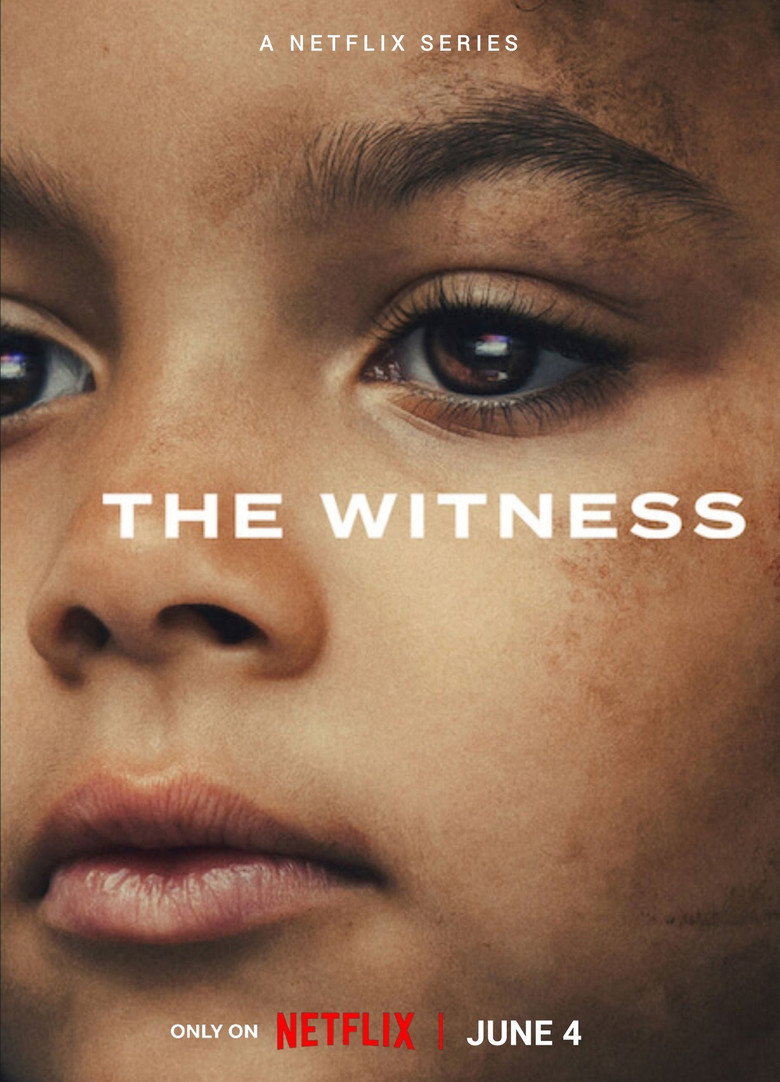
Netflix’s three-part drama The Witness takes viewers back to 1990s England and retells the murder of Rachel Nickell and the subsequent (controversial) police investigation that saw the arrest of Colin Stagg, who was later proven innocent. Above all, it explores the huge emotional impact it had on single parent André Hanscombe and his son Alex — they grapple with the awful tragedy that changed the trajectory of their lives. We follow along in their powerful journey of resilience, spanning over a decade. The dramatisation of the story was written by Rob Williams (The Victim and Screw) with Alex Winckler helming the series. Both Alex and André Hanscombe were brought on board as consultants.
We’ve already interviewed director Alex Winckler and, most recently, we sat down with Rob Williams. Read our interview below:
What’s on Netflix: What did you already know about the real-life story of Rachel’s murder before you joined the show?
Rob Williams: I thought I knew all of it. I was 18-ish around the time, and I’ve always had an interest in issues around crime and punishment. I was very aware of that crime and of the name Colin Stagg, but I wasn’t particularly aware of what subsequently happened. I certainly wasn’t aware of the mistakes that were made in that investigation. I think I knew all of it, and then when I went and met Alex [Hanscombe] and André [Hanscombe] and really looked into it and read everything that there is to read, I realised I knew nothing. I think in a way that’s what I hoped would happen with the show; a lot of people think they know, and then you watch it and you’re just like, ‘Oh, I didn’t know that.’
It covers such a vast period of time. You could go off on various tangents, and we obviously didn’t do that and can’t do that. I really wanted to make sure I knew as much as possible about the father-son aspect of it.
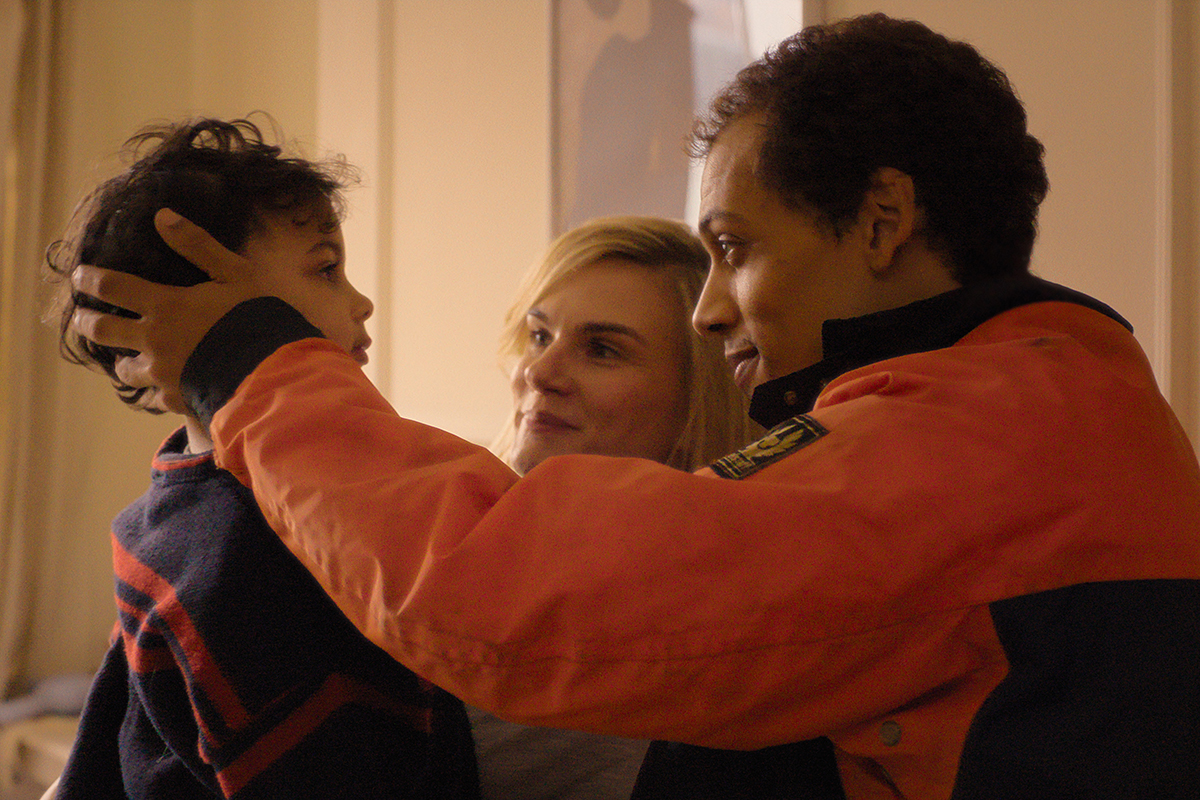
The Witness. (L to R) Jahsaiah Williams as Alex Hanscombe, Eleanor Williams as Rachell Nickell, Jordan Bolger as André Hanscombe, in The Witness. Cr. Courtesy of Netflix © 2026
Do you remember your initial impressions of the story in the ’90s? How did those impressions shift once you started working directly with André and Alex?
I certainly remember the visceral reaction — for a child so small to be a witness to something so horrific. I remember having a visceral reaction to that. I also remember being very curious: what did he see, and what does he remember?
I’m sure Alex gets asked that all the time; in fact, I know he does, and that was a question that I put to him quite early on when we met. Obviously, he wrote the book [Letting Go: A True Story of Murder, Loss and Survival by Rachel Nickell’s Son], but the show isn’t based on the book. The book is the thing that made me want to write the show. I was interested already, and then I read the book and thought, ‘There’s a show here,’ and so, on the basis of that, I went and met Alex and André.
A lot of people think they know them because of the empathy people feel for them. Of course you don’t; we don’t. I was very aware of that when meeting them. André had lived, I think, 28 years before this happened to him, and then his life changed forever. Alex hadn’t had much of a life before this happened, so his whole life had been defined by it. They’re in the headlines; that’s only a tiny portion of their life. It’s their whole reality, and I think I was very aware of that early on. These are real people. This is a day-to-day reality for these people, and you can’t take that lightly or play with that. It’s not just a story; it’s life.
They were consultants on the show, weren’t they?
They’ve been very involved, yes. We got on very well; I like to think they trusted me fairly quickly.
I wanted it to be as authentic as possible. I think they’re extraordinary people who have been through an extraordinary time, and I wanted to reflect that as honestly as we possibly could. I was very keen that they were involved all the way through. They read the scripts a lot — different versions of the scripts — and they were on set as much as they could be. They couldn’t be at the read-through in London because they don’t live in London, but they sent a recorded message to the read-through, which was fantastic.
They were hugely involved all the way through.
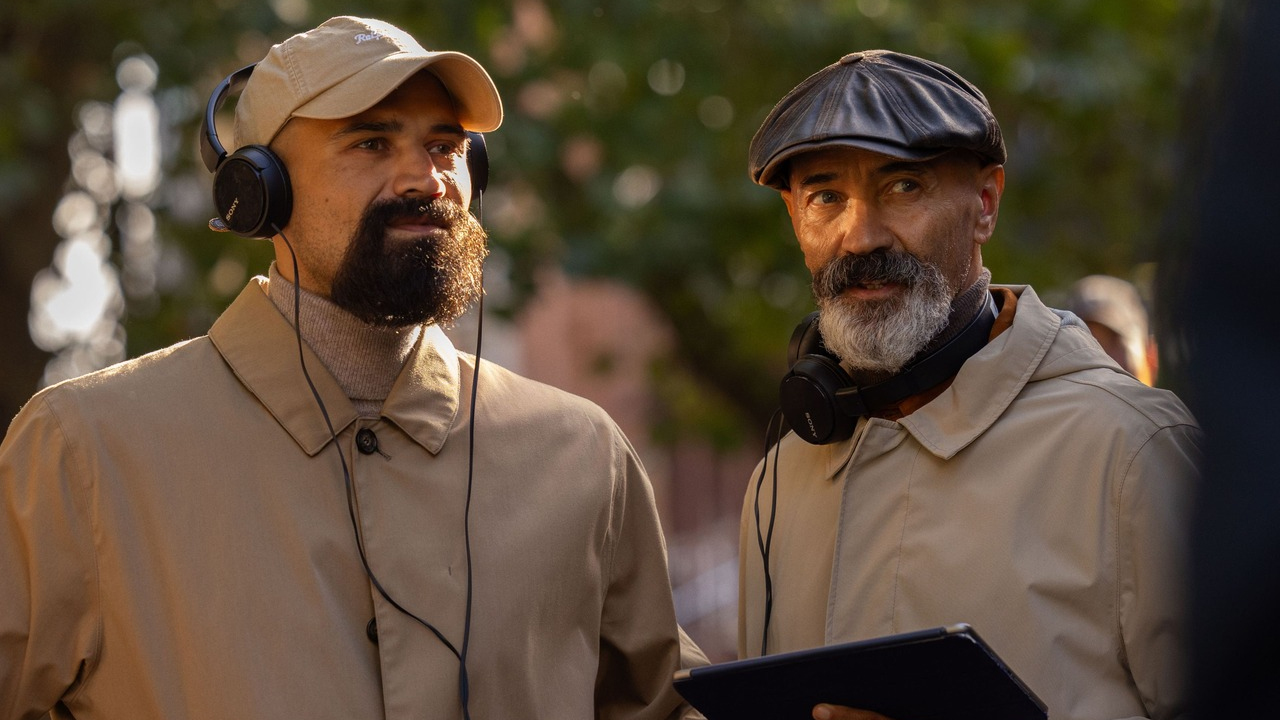
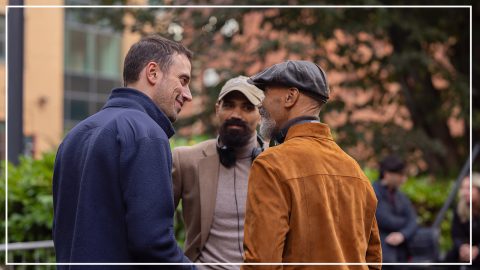
Picture Credit: Rekha Garton/Netflix
Were there any scenes in particular where their input fundamentally shifted how you approached a scene?
Gosh, that’s a great question. Every scene, in a way.
Some more than others, but very much in the scenes where they are having a dialogue, so probably as Alex got older—the way they address each other, the intimacy that they have, and the shorthand that they have—that was really invaluable, actually talking to them about that. However good you think you are at writing dialogue, when you’re saying to real people, ‘This is what you said,’ it’s an incredible situation to be in, where they’re like, ‘Yeah, but I would never say that.’
They know each other so well. You would cut a layer away from the way you would normally approach dialogue because they don’t need to say it, but then obviously you’ve got to take the audience along with you. I mean, every scene with them in, I had to approach from the perspective of being willing to listen to how they see their dynamic.
What was a defining scene for you, or a performance that particularly blew you away?
Oh, there are a few moments. I think, “You saved my life / No, you saved mine” is a moment that really makes me quite emotional. That was a hard realisation for both of them. They had to go on a big journey to get there. I think there’s a moment in the hospital where Alex says, ‘I love you, but I don’t respect you,’ which, as a father myself, is a gut punch. Both of the performances in that scene are really powerful.
You use a staggered, non-linear timeline across the three episodes. How did you land on that structure specifically?
I decided fairly early on, actually. The one I wanted to explore was going to be that uncertainty around how Alex would turn out, and how he would grow up. Everybody was speculating about that at the time of the crime, not least his dad, André, trying to make these decisions that would affect the rest of his life, and not knowing whether it was the right decision or not. The child psychiatrist was saying one thing, and his family was saying something else.
It mentions that a little bit in the book, but when I really got talking to Alex, he was a difficult, difficult teenager. He’s always been a strong personality — he still is — and he credits his mom with a lot of that. He knows what he thinks, and he did even when he was little, which hopefully you pick up in the show when he says, ‘I want to go and say goodbye.’
When I found out that Alex got himself into quite a bit of trouble as a teenager, he seemed to be going down quite a dark path. The stuff with the police is all true. I thought, as a father of a teenager myself, ‘Is this just normal teenage behaviour for a boy, or is it something darker and linked to what he’s been through?’ That’s the lens through which I wanted to explore everything.
I had to take those two timelines. In order to make sense of that, you’ve got to see what happened to him. I didn’t ever want to show too much of what happened that day. No one needs to see that, but you’ve got to understand the aftermath of it. We’ve got to understand and feel — walk in his shoes a little bit — in order to really pose those questions later on. What’s the effect on him? What’s going to happen to him? So that was that decision.
You get quite a lot of that in Episode One, a bit less of it in Episode Two, and then by the time you get to Episode Three, we’re in the more recent timeline.
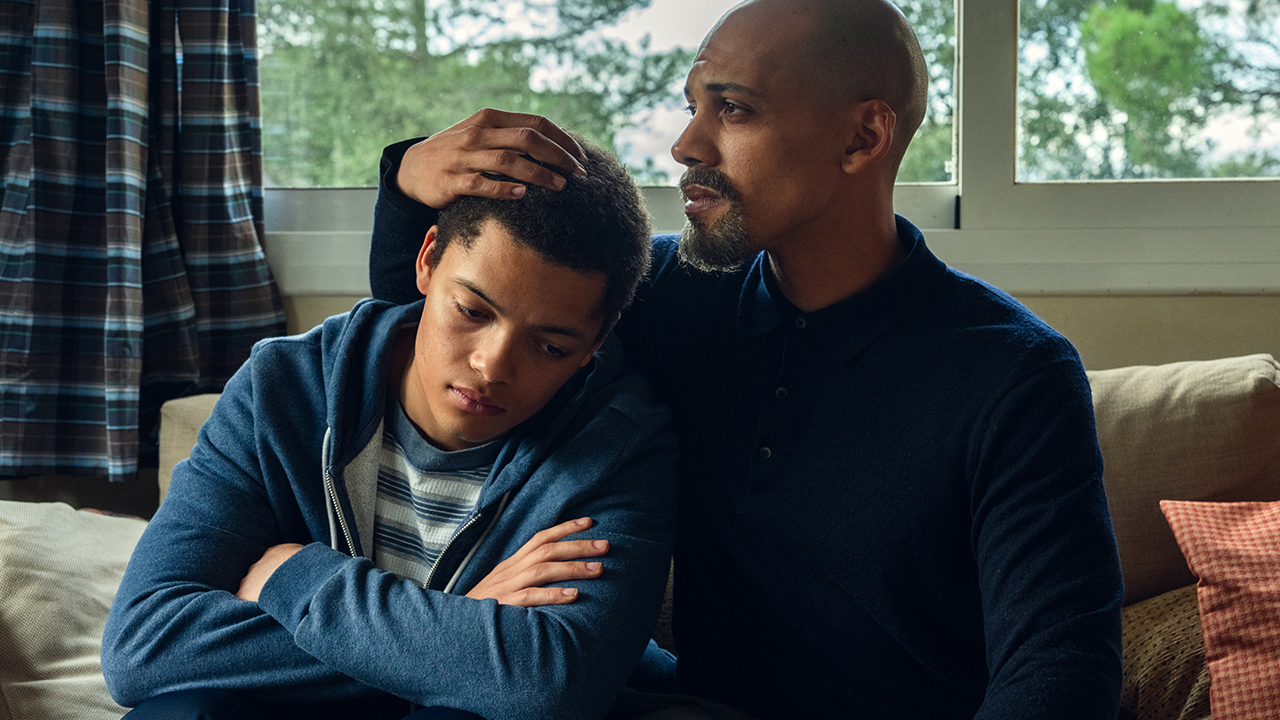
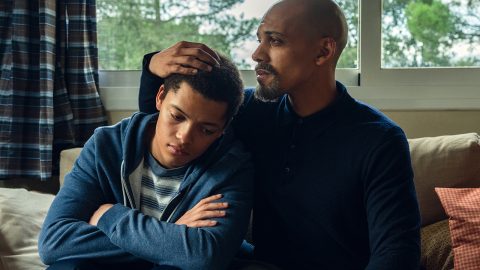
The Witness. (L to R) Max Fincham as Alex Hanscombe, Jordan Bolger as André Hanscombe, in The Witness. Cr. Courtesy of Sophie Köehler/Netflix © 2026
I wanted to ask about safeguarding on a show like this. How do you frame a scene involving a young actor to bring out the best in him? Did you have to construct a separate narrative for a child actor, or work with a child psychologist?
All of those things. Sarah Brown, my co-executive producer, has just done a big piece on it for Broadcast, which is worth reading if you get a chance, because it explains in depth exactly how we did it. We just took it hugely seriously from day one, and all credit to [director] Alex Winckler, because he was aware that it was a big deal.
The actor’s parents were on set. I could be wrong about this, but I think they were there all the time he was on set. They were hugely involved. He had a chaperone, who was wonderful.
You have to just understand that those things are more important than TV. For instance, the fact that he couldn’t be aware, because of his age, of the nature of the drama. I wrote alternative versions of scenes. The actors that he’s acting with will have one version of the script, and for any words that are potentially dangerous, the camera is always on them. Then when we do it again, we do it with the camera on Jahsaiah. It’s always another version of the script, where the words have been changed slightly — not hugely — but enough for him not to be touching subjects that will be remotely upsetting for him.
Jordan [Bolger] and the other actors spent a huge amount of time with him before any cameras turned up. They got really comfortable with him. He made lots of friends. He’s not only a great little actor, but he’s also a great little boy, and I feel really proud of the way he was treated.
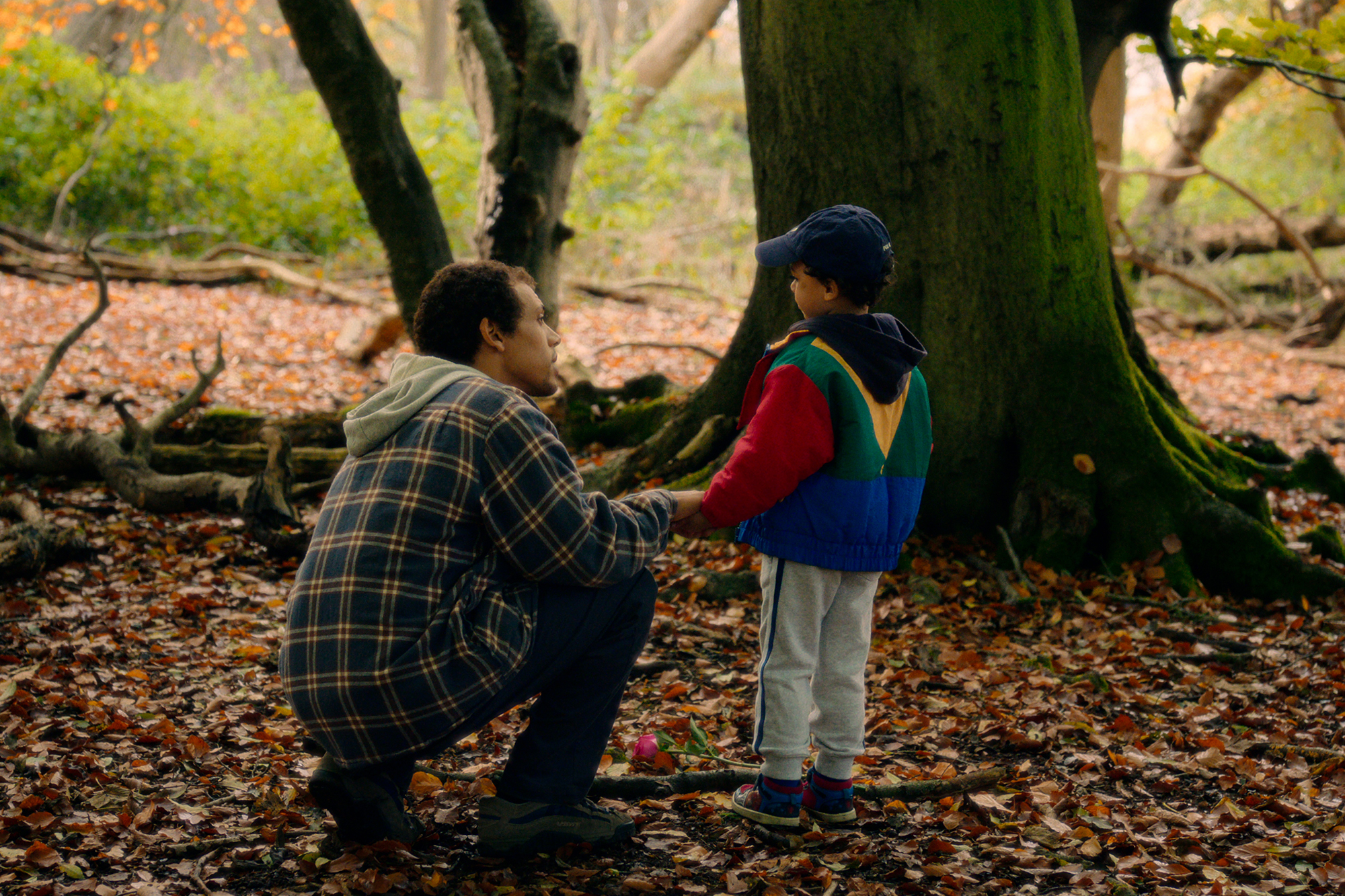
The Witness. (L to R) Jordan Bolger as André Hanscombe, Jahsaiah Williams as Alex Hanscombe, in The Witness. Cr. Courtesy of Netflix © 2026
I was looking through your filmography, and you’ve worked on other crime shows before. What were the specific challenges that this one brought up?
I’ve done crime before, but it’s all been fiction. This is the first time I’ve done something that involves real people and real lives, and that, without question, was the biggest challenge.
One of the things that really interests me is the ripple effect of crime — the number of people who are affected by any single event, any single crime.
That was both the most challenging and, weirdly, the most rewarding aspect of it — the fact that we’ve come out at the end of it all, and it wasn’t all sunshine and roses. We didn’t fall out at all, but we had difficult conversations, always respectfully, and it was a process that we went through together. I’m most proud of the fact that, having come out at the end of it, we sit down as friends and have a cup of tea together, as we did a few weeks ago in London, with our relationship not only intact but made stronger by it. I feel incredibly proud of that.
Is the true crime drama genre something you’d like to return to in the future?
It’d have to be a good reason. It’s not something that I would search for, you know, but if I saw a story that I really felt I wanted to tell, then yeah.
There’s got to be a reason to do it — there’s got to be a purpose behind it. You’re at risk of upsetting too many people who have already been upset, and I feel very passionately and very proud that there was a real purpose for this, and I feel like we served that purpose.
I also wouldn’t say never again, because there might be a story out there that I find tomorrow that I really, really want to write.
“I would say that as well — they are a great team at Netflix,” Williams added. “They’ve just been so supportive of this, right from the very beginning. It’s been an absolute pleasure.”
We thank Rob Williams for his time. Looking ahead to what’s in store next, he’s working on a bunch of projects, but nothing is imminent. “I’ve got lots on the dance card, as it were.”
This interview has been edited for clarity and brevity.
The Witness is now streaming on Netflix.