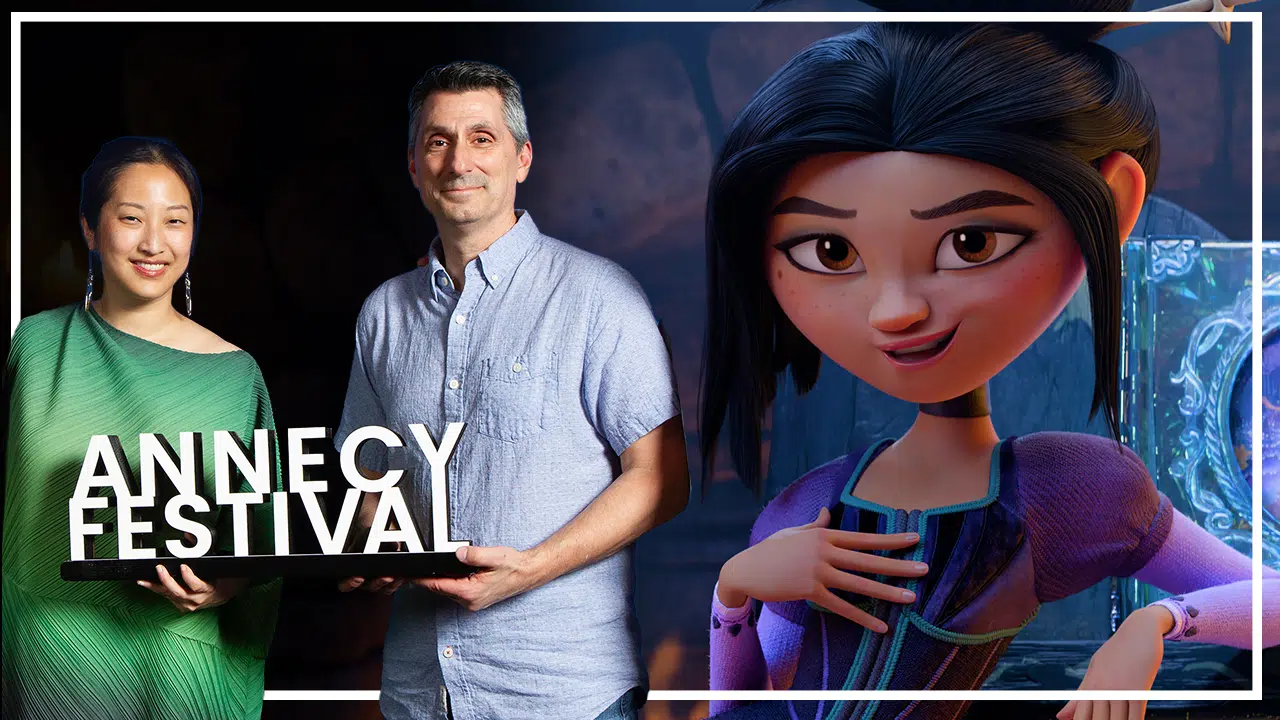
Picture Credits: Annecy / Netflix
There is a reason we keep getting Cinderella stories. The classic folk tale has thousands of variants told throughout the world, the earliest being over 2,000 years old. It is a power fantasy, a tale of hope and redemption that lends itself to countless different reinterpretations. We’ve seen all sorts of Cinderella movies, from straight adaptations, what-ifs, time-travel stories, horror versions, to stories focusing on different characters in the story. Now comes a new take, one focused on the evil stepsisters, who may not be that evil after all.
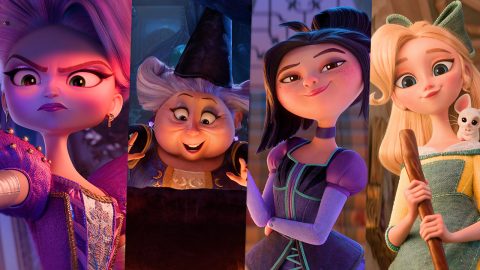
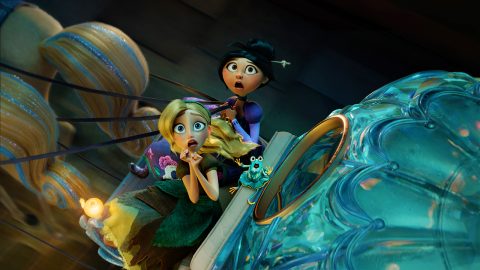
Steps follows Cinderella’s stepsisters, who are tired of living in the shadow of Cinderella. One day, Lilith, just a punk girl who wants to feel loved, steals the Fairy Godmother’s magic wand and decides to go to the Royal Ball with her sister, Margot. This sends the kingdom down a chaotic spiral, allowing a new evil ruler to take the throne and forcing Lilith to team up with her stepsister to make things right, fighting biker trolls, henchmen, and their own resentment for each other.
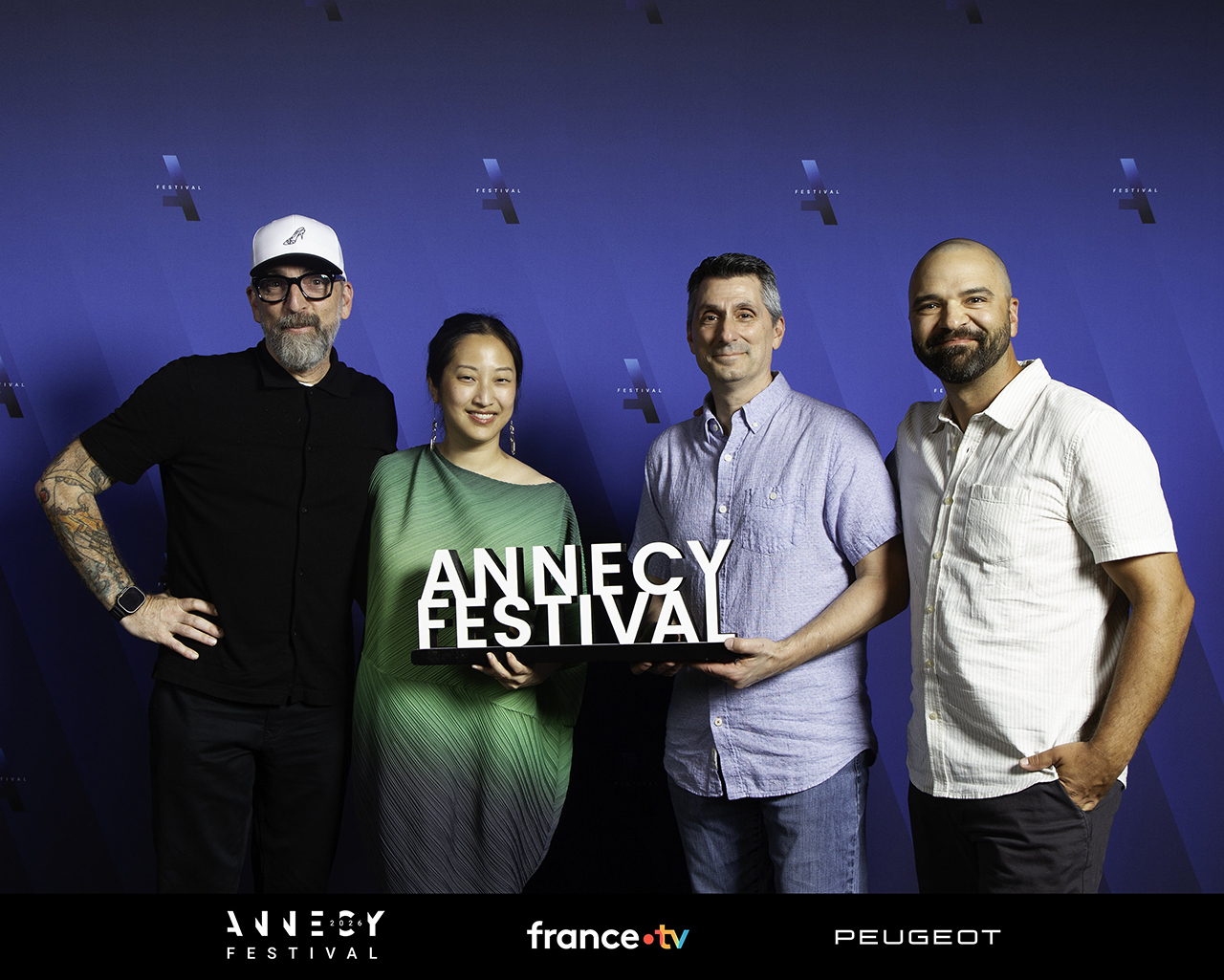
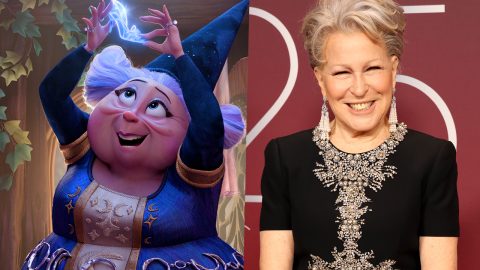
We caught up with director Alyce Tzue and co-director John Ripa at the Annecy Festival to discuss their approach to this fairy tale, how the movie changed during the many years of development, and how Bette Midler joined the cast, only for it not to be a musical.
Can you talk a bit about the decision not to make the film a musical? From what I understand, you did think about it at one point.
Ripa: The movie did start out as a musical, but it has evolved in so many ways since 2020, when we started working on it. The movie started to hit this kind of comedic tone and a groundedness that made a pure musical kind of feel like it wasn’t the right fit anymore. But we still have just an incredible soundtrack of original songs and needle drops that I think audiences are very excited about.
Given there are so many different takes of the Cinderella story, how did you land on the final version that we see in the film? What was the “aha” moment when you realized this is the version that we’re going with ultimately?
Ripa: I think for me it was when we finally sort of realized we don’t have to run away from the character people know. We can still have that iconic character and all the little things that people know about it, but when you put it through another lens, another perspective, we can view those things and we can learn about those things in a different way. And I think trying to find how to portray her—trying this way and that way, and maybe trying to shy away from those things—it was more about embracing those things, but letting them be a layer that is sort of on top, I mean, part of the mass of who she is.

STEPS – Visual development art. Cr: Netflix Animation Studios ©2026
Alyce, can you talk a bit about wanting to infuse the story with your own upbringing, and what you ultimately want audiences to take away from Steps?
Tzue: I really tried to channel the emotion of how it felt as a kid, feeling like I didn’t belong in this world of seemingly perfect little girls, you know, who spoke perfect English at a time when I didn’t, and just seemed to have these perfect lives. Of course, I also didn’t understand what was going on beneath the surface either, right? But I really remember those emotions of feeling like I couldn’t find my happily ever after, and wanting to create a character in Lilith where she has a spiky and funny and very rebellious exterior, but the secret is that inside she is still that little kid who is very hurt and doesn’t want to be hurt again and just wants to be loved. And so I think that, as just kind of like an emotional anchor, helped to guide the character.
The film looks beautiful. What went into designing the world of Steps?
Ripa: We leaned into the French version of Cinderella and the idea of pre-revolutionary France and French Rococo for the design. The hope was to add a texture to the film that made it unique. So when you look at a gold candlestick, it looks like gold wrapping, like candy. Wood kind of looks like chocolate. There are little hints that evoke a sense of childhood and playing with toys.
What was something that you guys were sure was going to make it to the final version of the film when you first started development that didn’t, and something that you maybe thought was a temporary thing that ended up making it to the final film?
Tzue: I will just throw out that there’s one thing I didn’t expect to make it into the film, and I will just say one word — wheel.
Ripa: There was definitely a point—because I think one of the harder sequences to crack and get to work was the trolls—where I was sure we would simply cut them. Do we even need these things in here? But we did find a solution to it and were able to keep them. One of the things that also connects to the trolls, which I wasn’t sure was going to make it when I first heard the idea, is their mode of transportation: goats as motorcycles. It feels like a very weird idea, but it’s so fun and funny, and when we saw it visualized, it became one of the best sequences. When you look at animation films early, you have to kind of look down the road and know that it’s going to go through so many incredibly talented people. By the time it gets to the end, it’s going to be even better—even more than you ever imagined. I think there were so many things on Steps that, you know, followed that pattern, and I think at the end, we’re really proud of what the film accomplished.