Picture: Netflix
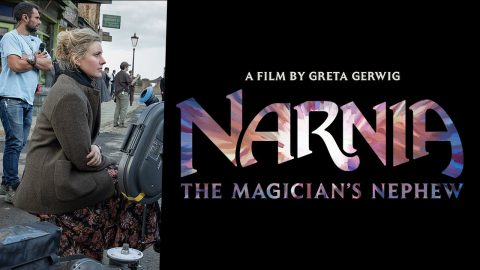
For a long time, Greta Gerwig’s approach to adapting C.S. Lewis’s seminal fantasy The Chronicles of Narnia was a total mystery, but the vision is finally coming together. We got our best look yet in the latest issue of Empire Magazine. Here’s everything we learned.
The Chronicles of Narnia by C.S. Lewis has enthralled readers for decades since it was first published back in the 1950s. In that time, different generations have seen adaptations, from the forgotten ITV series back in 1967, to the cult animated adaptation in 1979. As the decades passed, adaptations got more beloved, with the long-deemed definitive three-part The Chronicles of Narnia series that ran from the late ’80s to early ’90s. The requisite movies aired in the early 2000s, back in a time when big-screen epic fantasy was all the rage thanks to Peter Jackson’s The Lord of the Rings trilogy. There were supposed to be more Narnia movies adapting the other novels, but they fizzled out.
Netflix has held the rights to The Chronicles of Narnia since 2018; no official figures have been released for the streamer’s purchase of the rights, but reports suggest a nine-figure sum. Netflix’s ambition was clear from the outset, and in 2023, fan-favorite filmmaker Greta Gerwig was officially attached to bring Narnia to a new generation of viewers. Gerwig has become a zeitgeist filmmaker of recent years, notably ushering in the Barbie movie that grossed over $1.4 billion at the worldwide box office.
Unlike other adaptations of Narnia, which are mostly defined by their intense loyalty to the source text, Gerwig has infused her creative flair and unique signature into her movie. It still honours Narnia, but it’s bursting with Gerwig’s personality, culminating in a visual and audio palette that we’ve never seen in any adaptation before: it’s fuelled by glam-rock and has ethereal visual inspiration taken from seminal artist M.C. Escher.
In the latest issue from Empire Magazine, they did a huge deep-dive into the movie. On the set, they interviewed Gerwig herself, as well as the core cast and the crew, giving us our most informative exploration of the movie to date. Down below, we’ve covered everything major we learned from the reveal.
How did Greta Gerwig’s Narnia come about? And why the ‘rock ‘n’ roll’ tone?
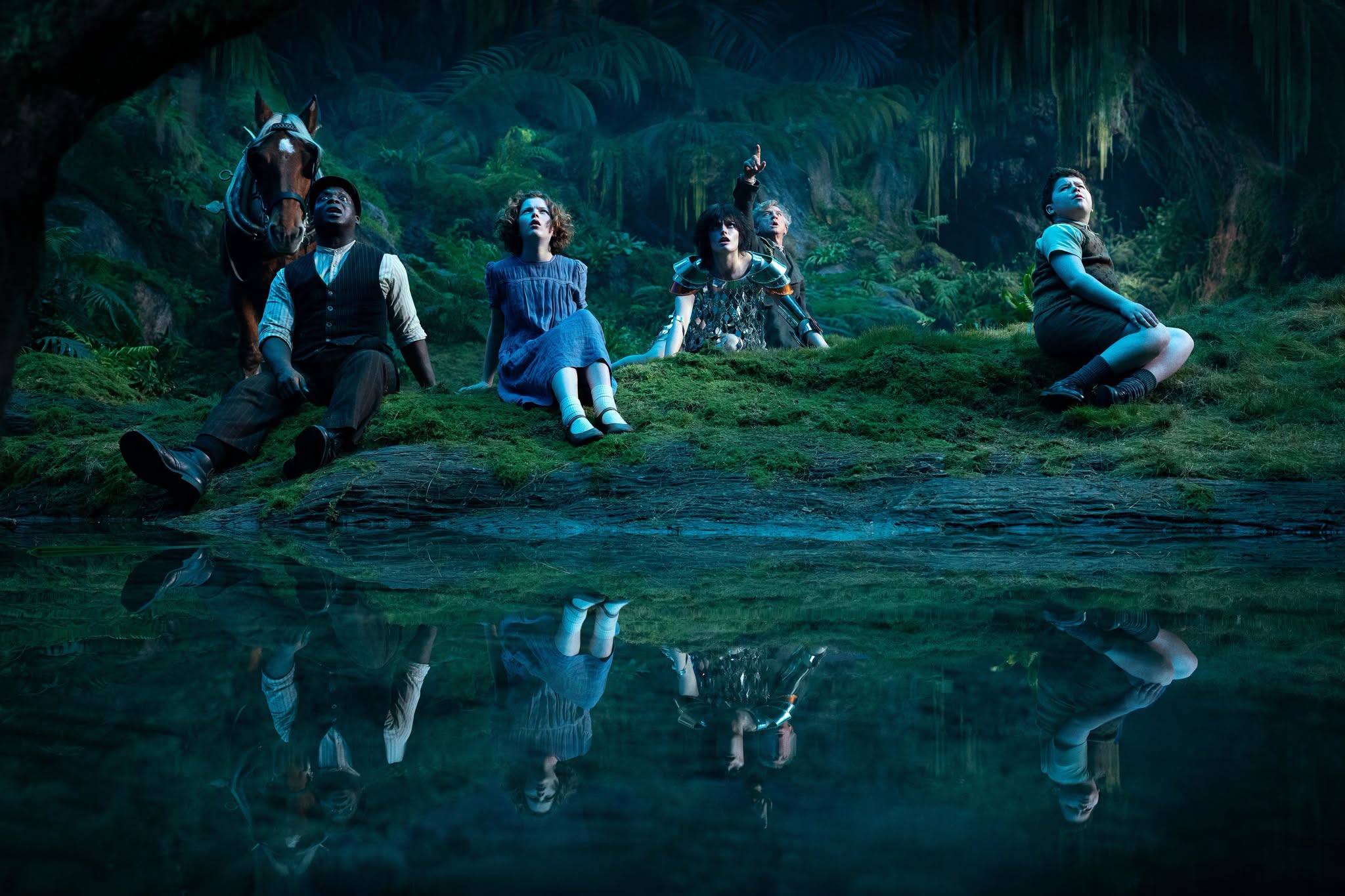
The Netflix adaptation takes an approach that no other on-screen version of Narnia has dared do: it tackles the story from the chronological beginning. Rather than beginning with The Lion, the Witch, and the Wardrobe, it kicks off with The Magician’s Nephew — the sixth novel published but the first chronologically. It serves as a creation story for Narnia, introducing an origin for Aslan, Jadis (who goes on to become the White Witch in Narnia), and we witness the birth of Narnia itself. It’s Lewis’ way of answering all of the questions he left lingering in his previous novels — how did that anachronistic lamp get planted in the snow?
Gerwig’s involvement in the movie dates back to 2020, when she discovered that Netflix held the rights. The streamer was holding onto the rights for around two years at that point. That was all the catalyst she required, persistently getting in touch with Netflix’s Chairman of Film, Scott Stuber, to spill her ideas for a next-generation adaptation. “I was like ‘I think you should start with The Magician’s Nephew because that’s the creation of Narnia and actually, if you take the seven books together, it’s about life and death of a universe.”
Gerwig’s vision for an adaptation was one she was familiar with after bringing the energy with Barbie, but for this adaptation it meant re-structuring Narnia. Doing this brings about some major changes, notably shifting the timeline from 1900s to 1950s Britain, incidentally being around the same time that the original novel was published. This unlocks the ability to infuse timely rock ‘n’ roll influences into the narrative, but will no doubt complicate things later on. For instance, the Earth setting of the sequel The Lion, the Witch and the Wardrobe takes place during the Second World War. Even so, the temptation to wire in a rock ‘n’ roll culture prevailed for Gerwig’s Narnia.
“I wanted a rock opera,” she said. “I wanted it to be big and transporting.”
She does not hide the music influences — but don’t be fooled, this is no musical. “David Bowie saved my life. Paul McCartney saved my life. David Gilmour saved my life. Pete Townshend saved my life. Jimmy Page, Robert Plant,” she said. “When I heard their music, I had this deep sense of [thinking], ‘You’re gonna be okay.’”
She brought that energy to the set, rolling in speakers to inspire the cast and crew to dance. Empire mentions two of those songs being The Who’s Baba O’Riley and David Bowie’s Life on Mars. “Where are the vibes?” she proclaimed on set.
-

- Picture: Empire / Netflix
-

- Picture: Empire / Netflix
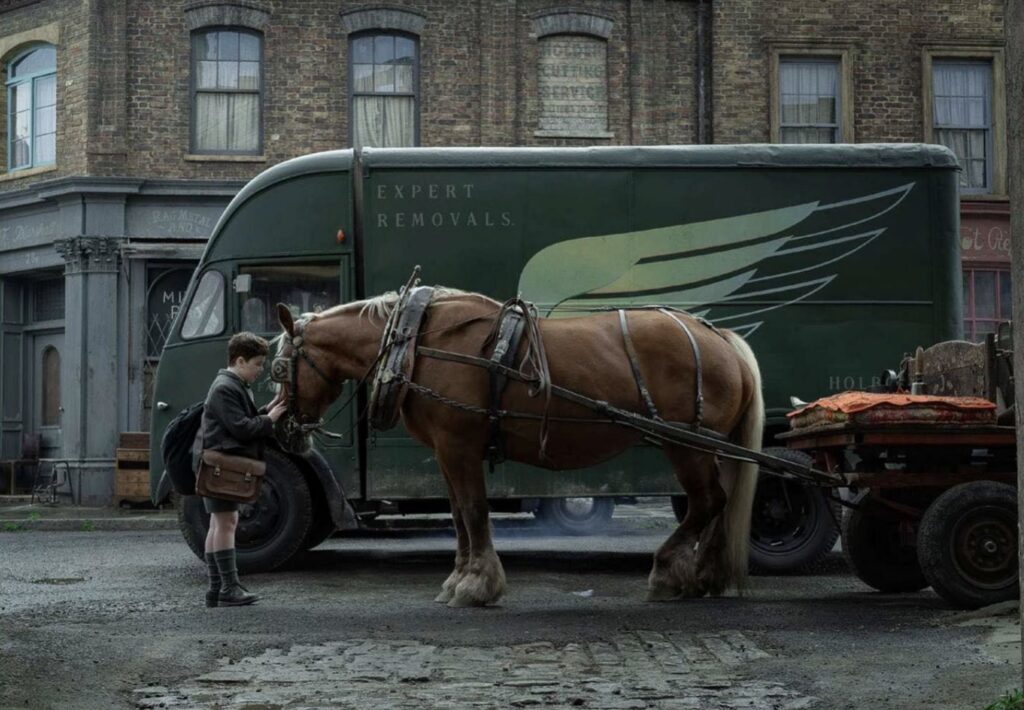
Building 1950s England
While the timeline may have shifted, the setting remains the same. It all begins in a small town in England. From one of the stills released, we see an instant change from the novels: Jadis is able to use her magic. We see her with a wand in her hand, transported to the streets of London, and enraged. It appears as if she’s used her magic for destruction. However, fans of the novel will know that she’s unable to use her magic outside of her own world. She is able to utilise her extreme physical strength — but the still above seems to imply that there’s more going on than mere physical prowess.
For more eagle-eyed readers, there’s also an Easter egg in the above still. The pub in the background — The Eagle And Child — is a direct nod to the real-life location where Lewis, J.R.R. Tolkien and their peers would discuss their writings.
Bringing Digory, Polly, and Uncle Andrew to life
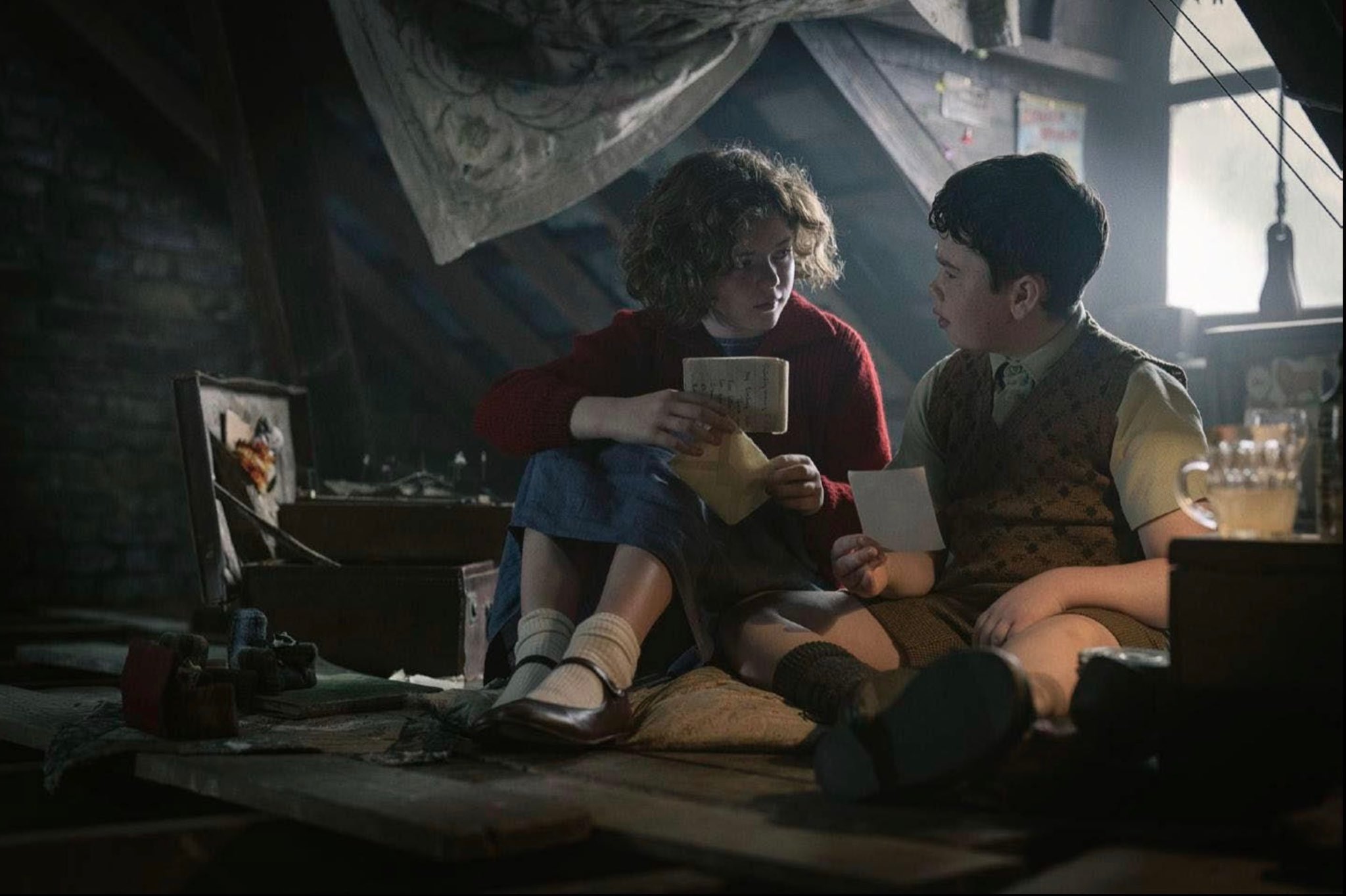
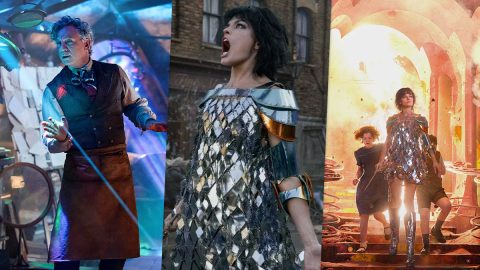
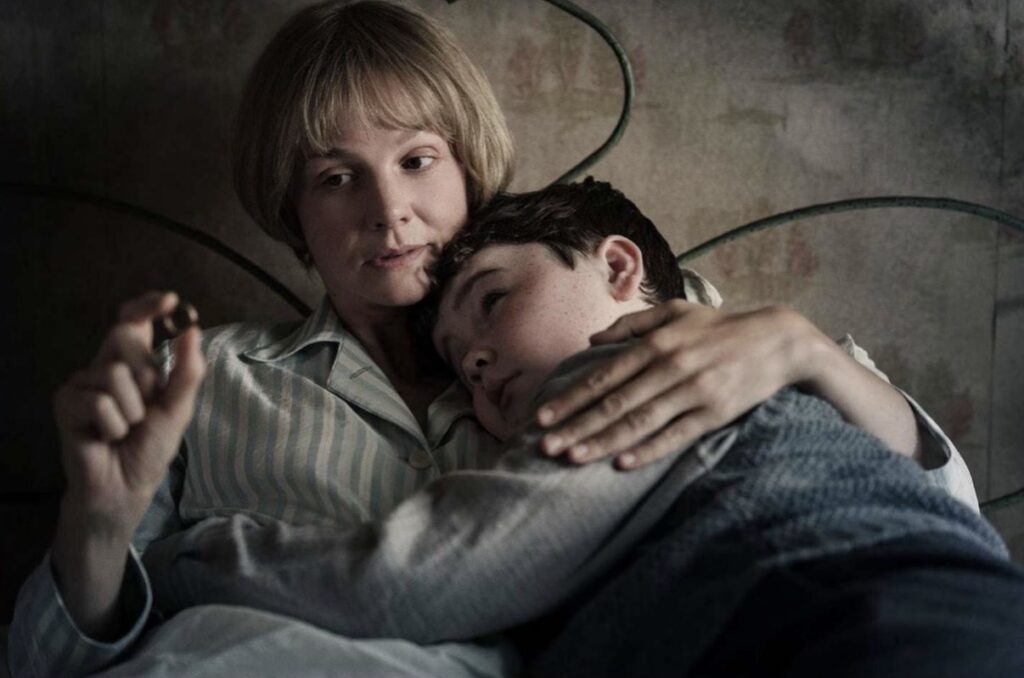
In The Magician’s Nephew, we witness the creation of Narnia through the perspectives of the two children at the core of the story: Digory and Polly, played by David McKenna and Beatrice Campbell respectively. Rounding out the cast is Digory’s mother played by Carey Mulligan and his whimsical sorcerer Uncle Andrew, played by Daniel Craig.
Firstly, we learned that Digory’s mother — named Mabel in the book — has been re-named to Flora in the movie. The motive behind this is to honour C.S. Lewis’s own mother, Florence ‘Flora’ Lewis, who passed away of cancer when Lewis was a child.
As for Uncle Andrew, we meet him as a brilliant-but-cowardly sorcerer meddling with powers beyond his control, who is too fearful to use the magic rings he fashioned from enchanted dust left to him by his godmother. “I’d like to say that his intentions are good, but I’m not sure they are,” Daniel Craig said. “It’s not to say he’s cruel and mean and awful. He gets over-excited about what could be, and therefore overlooks the people around him and the consequences of what he’s doing.” In addition, he heaped praise on Gerwig’s direction. “She’s like a unicorn as a director.”
Bringing Charn to screens for the first time ever
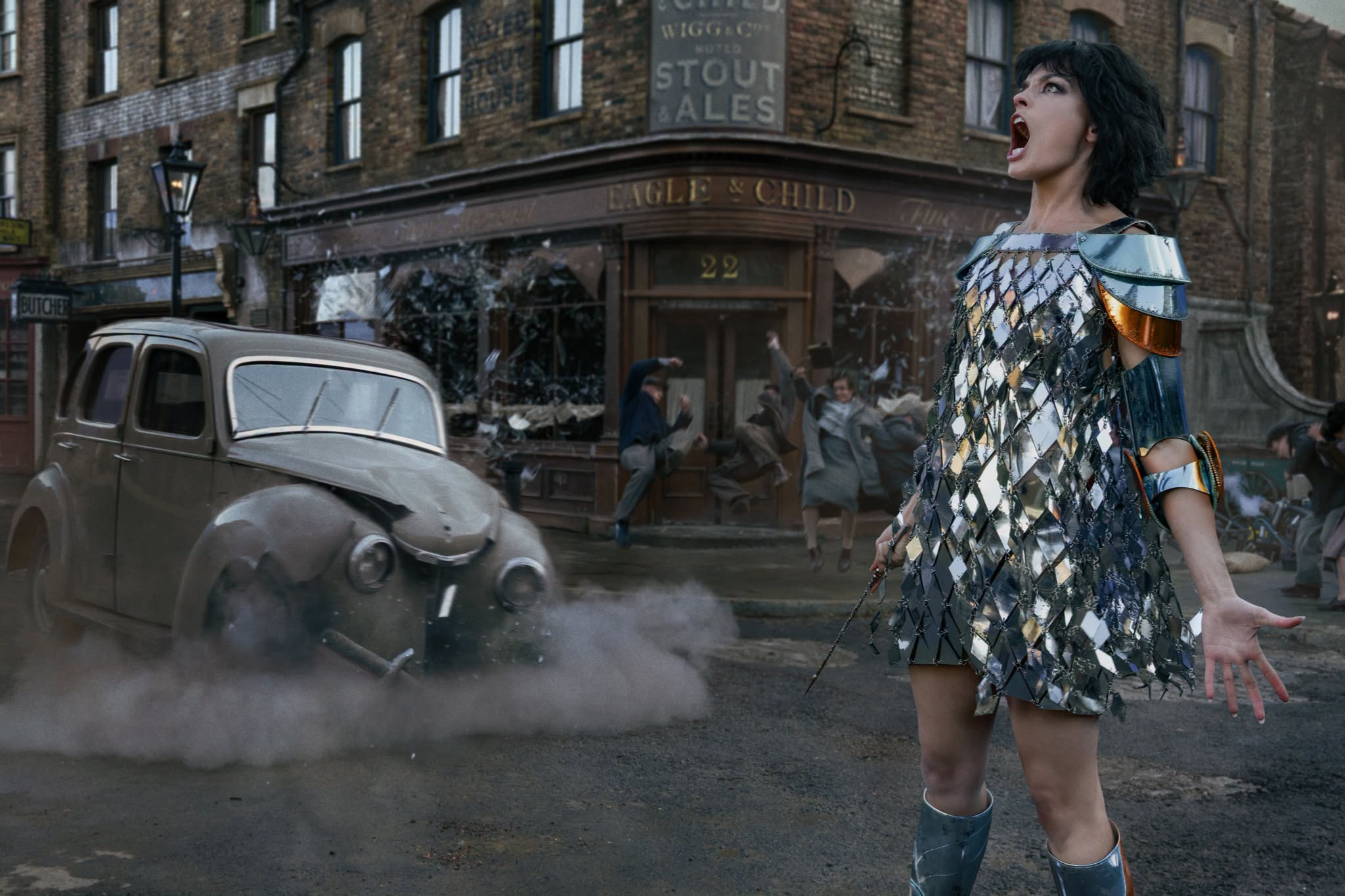
NARNIA: THE MAGICIAN’S NEPHEW. Emma Mackey as Jadis in Narnia: The Magician’s Nephew. Cr. Peter Mountain/Netflix © 2026.
Charn is the place Polly and Digory visit after jumping through a portal in The Wood Between the Worlds. In the novels, it’s a desolate realm with a reddish haze, but in Gerwig’s movie, Charn has a different vibe. “[It] looks, perhaps uncoincidentally, like an exploded pinball machine,” she explained. “Lights flash orange and green, huge chrome orbs are pushed into the ceiling. The set is rooted in technology and art that felt full of wonder during the time that The Magician’s Nephew is set in.”
Jadis’ appearance is particularly striking: she dons a disco-inspired, glam-rock dress, a huge leap from the regal attire with a golden crown that we traditionally see her wearing in the original illustrations. The appearance has already seen a myriad of comments across social media. Gerwig sees the costume as more than simply adhering to the glam-rock aesthetic she’s chasing. “What do you think the Devil’s going to look like when he’s around? Nobody is going to be taken in by a guy with a long, red, pointy tail.”
“I was pretty instantly head over heels for her interpretation of Jadis,” Gerwig said. “She had this madcap energy, almost screwball.”
Greta Gerwig’s vision for Aslan — and casting Meryl Streep
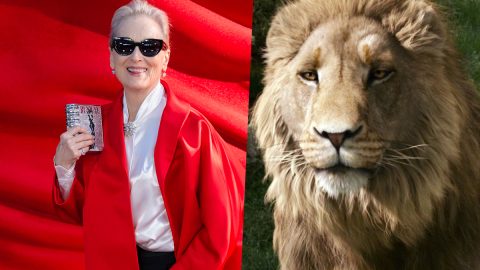
The lion Aslan is the most omnipresent figure throughout Narnia’s history; C.S. Lewis used Aslan as a representation of Jesus Christ. The casting of Aslan sets a precedent for the movie. Greta Gerwig had to think big and bold — and the perfect casting came to her in a dream. The voice role fell to Meryl Streep. Of course, the two already have a history of working together after Streep portrayed Aunt March in Little Women (2019).
“I dreamt it,” Gerwig revealed. “It felt fitting to me, as Lewis wrote about dreaming of lions when he first began writing the Narnia books. I wanted someone who was profound but not pretentious, who had gravitas but not morose self-seriousness. Someone who could communicate depth and pathos as well as joy and delight. I wanted someone who was older than 70, so there was a wisdom of experience, but who also had the capacity of fresh wonder, like a child. Also to be one of the greatest actors to ever do it. That list is not a long one.”
What is the biggest thing we’ve learned from the Narnia first looks?
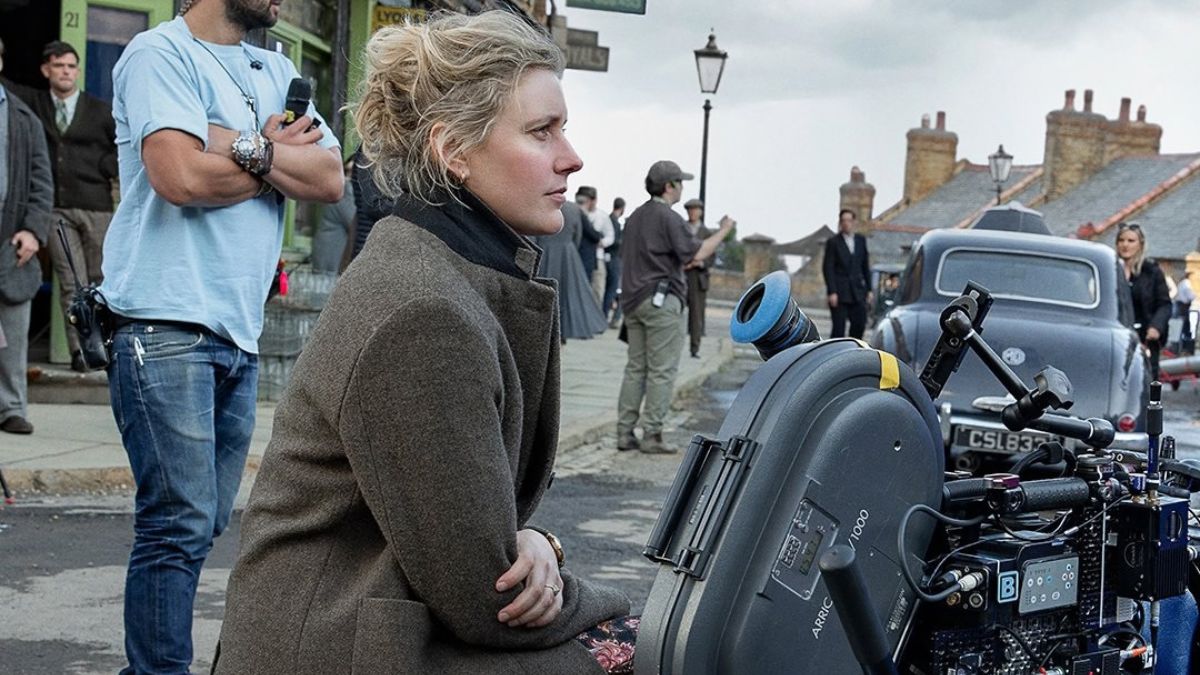
Empire Magazine’s big Narnia: The Magician’s Nephew preview gives viewers a first glimpse of the adaptation, but it does more than that: it establishes this movie as a wholly new Narnia.
When filmmakers adapt seminal works, there’s always going to be a legion of existing fans who are incredibly difficult to impress, and that’s understandable. With a project like Narnia, which has not only enchanted children from across generations in novel form, but also through a large slate of screen adaptations, doing something as ambitious as Greta Gerwig has is always going to attract a cacophony of opinions.
Suffice it to say, the cast have taken to Greta’s steadfast vision and embraced it. “I think it’s rare, but something that was more cultivated back in the day was being curious,” star Emma Mackey said. “Greta has this in buckets, in spades: being intrigued by people, asking questions, reading books, going to find references in the library and pulling all of those threads together.”
This Narnia, which has so many changes and a refreshed tone and aesthetic, has already proven divisive. Every other version of Narnia is not going anywhere. This is a new take. A version of the story that Gerwig is making in her own image.
This is Narnia, but for this specific adaptation it feels incredibly important to add the prefix: this is Greta Gerwig’s Narnia.
Narnia: The Magician’s Nephew opens in cinemas on February 12, 2027 before landing on Netflix on April 2, 2027.