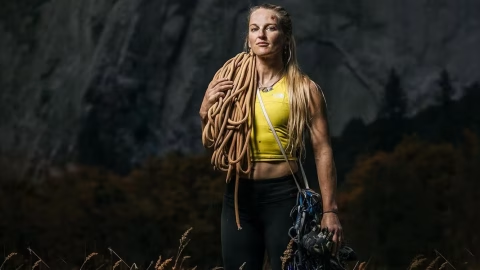

The countdown is officially on. Tomorrow, the heart-pounding documentary Girl Climber makes its SVOD debut on Netflix, and trust us when we say you aren’t ready for this one.
Following her historic, 24-hour free climb of Yosemite’s legendary El Capitan, five-time US National Champion Emily Harrington is bringing her incredible story to a global audience. The film, which drops on Netflix this Wednesday, September 16th, goes far beyond the sheer physical willpower required to scale a massive rockface. It’s an intimate, raw, and sometimes harrowing look at vulnerability, friendship, and the mental fortitude required to chase the impossible.
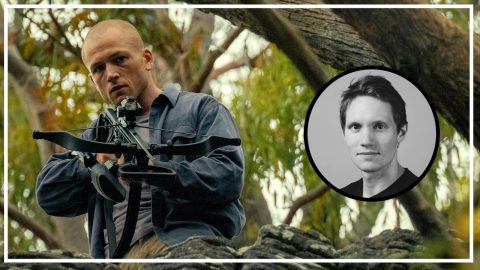
In case you missed it, yesterday we put questions to the documentary’s director (and Emily’s longtime friend), Jon Glassberg, to talk about the sheer logistical nightmare of filming on the side of a cliff. Read our interview with director Jon Glassberg here!
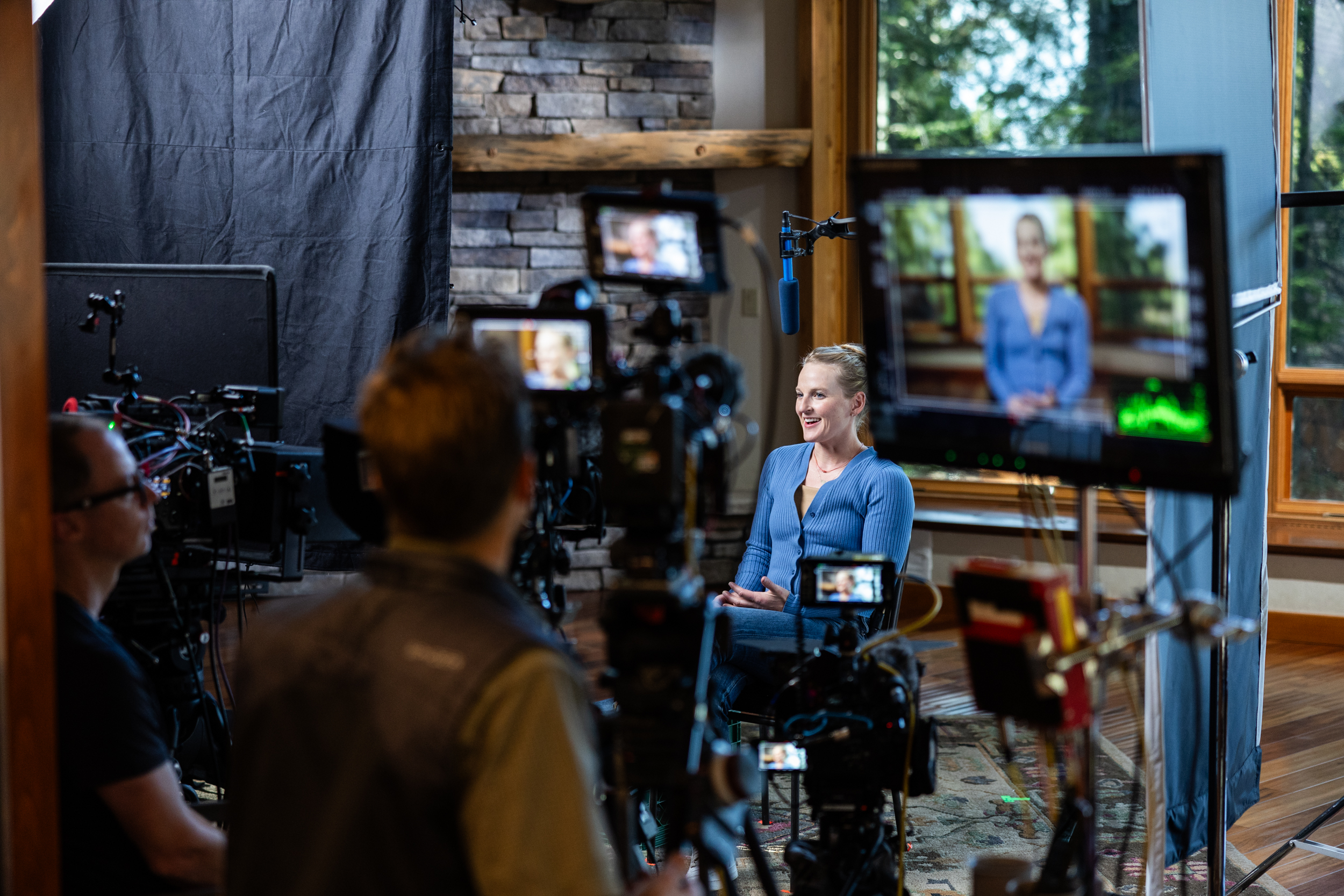
For Part 2 of our exclusive feature, we are thrilled to bring you our conversation with the star of the film herself. We spoke to Emily Harrington about reliving her most terrifying falls, navigating the pressure of a documentary crew, and what she hopes non-climbers will take away from her journey when they hit ‘play’ on Netflix this week.
Here’s what she had to say.
What’s on Netflix: Emily, Girl Climber chronicles your historic climb of El Capitan, showcasing not just the physical toll but the intense mental fortitude required and the work that goes into it. For someone like me before watching the documentary and maybe only saw a headline or a clip—what do you hope someone takes away from the doc?
Emily Harrington: There are many layers to this film and I think it touches on several important themes that almost anyone can relate to; it’s a human story as well as a climbing story. I hope the film accomplishes what it set out to do in communicating those relatable messages of finding strength through vulnerability; the importance of having a good support system you trust implicitly; and how fear and failure go hand in hand with triumph and success. I hope people see what it takes to fail, to strive, and to persevere to see a goal through; and I hope they find inspiration in that journey.
The film hits Netflix imminently, which opens your story up to an audience of millions who might not know anything about free climbing. What is the core message you hope a non-climber takes away from your journey?
I think this film is different from other climbing films that broke into the mainstream recently (Free Solo, Dawn Wall, 14 Peaks) for several reasons. For one it’s a female-focused narrative which is naturally going to hit a bit differently. But the most valuable difference in my opinion is that it doesn’t put the main character on a pedestal of super-herodom and someone immune to fear and risk. I’m a person with a passion and a goal. I have doubts and fears and a lot of layers to who I am (just like everyone watching the film). Climbing is just my vehicle for figuring out who I am and for relating to the world around me. I hope people find my story easier to relate to than previous climbing films because I show that side.
I also want people to learn more about climbing itself and some are inspired to try it themselves. It’s a physical endeavor of course but it’s also very cerebral and requires complex problem solving skills and creativity. I think so many people, especially women and girls, can benefit from trying such a complex sport that rewards not only strength, but flexibility, body awareness, creativity and mental toughness. Climbing was often viewed in the past as this high risk, fringe activity reserved for the outcasts of society, and of course there are still some elements of that in our culture and history; but it’s also a rapidly growing sport worldwide, an Olympic sport, and an activity that exponentially more people can experience now with the explosion of climbing gyms in urban areas. It’s no longer a counterculture fringe activity and the risk profile now has a very wide spectrum, meaning it can be experienced for the first time in a very safe and controlled environment. I hope this film is a small part of introducing people to this beautiful way of experiencing the world and challenging themselves.
There’s a moment in the documentary that is quite harrowing: your fall quite early on in the climb, and we’re left with just the sound of your screaming for quite a while. When did you watch that footage for the first time and what was your reaction?
I didn’t really want to watch that footage for a while, and I don’t think I saw it until the film was totally finished nearly 5 years later. By then the trauma had worn off a bit and it felt manageable but it’s still pretty disturbing. I don’t listen to that clip or really watch it at all if I can help it because it feels unnecessary to relive it over and over again. For me it’s an unfortunate accident that I learned a lot from about the kinds of risks I am comfortable taking in my climbing. I think almost every athlete who participates in these kinds of activities will have some type of close call like this throughout their life – it’s a game of numbers more than anything else. If you put yourself in situations that entail a certain level of risk over the course of multiple decades, eventually something will happen. For everyone I know who has experienced something similar to what I did it changed them and their approach, as it certainly did for me.
What was it like having a documentary crew following you around—did that add to the pressure on the climb?
Honestly it didn’t. I saw it as having more of my friends up there with me, supporting me and documenting the process. The idea of achieving success for the sake of the film never once crossed my mind. I think that’s for a couple reasons. The first one being that we never thought the film would go anywhere all that meaningful, and we certainly never thought it would become a feature doc that streamed on Netflix;) The second reason is that as climbers we are so accustomed to failing – it’s not really something we harp on too much because the majority of our time is spent failing and not doing the thing. Of course we all want to succeed and achieve our goals, and we do eventually if we try hard enough for long enough. That was my only goal – keep trying and don’t give up.
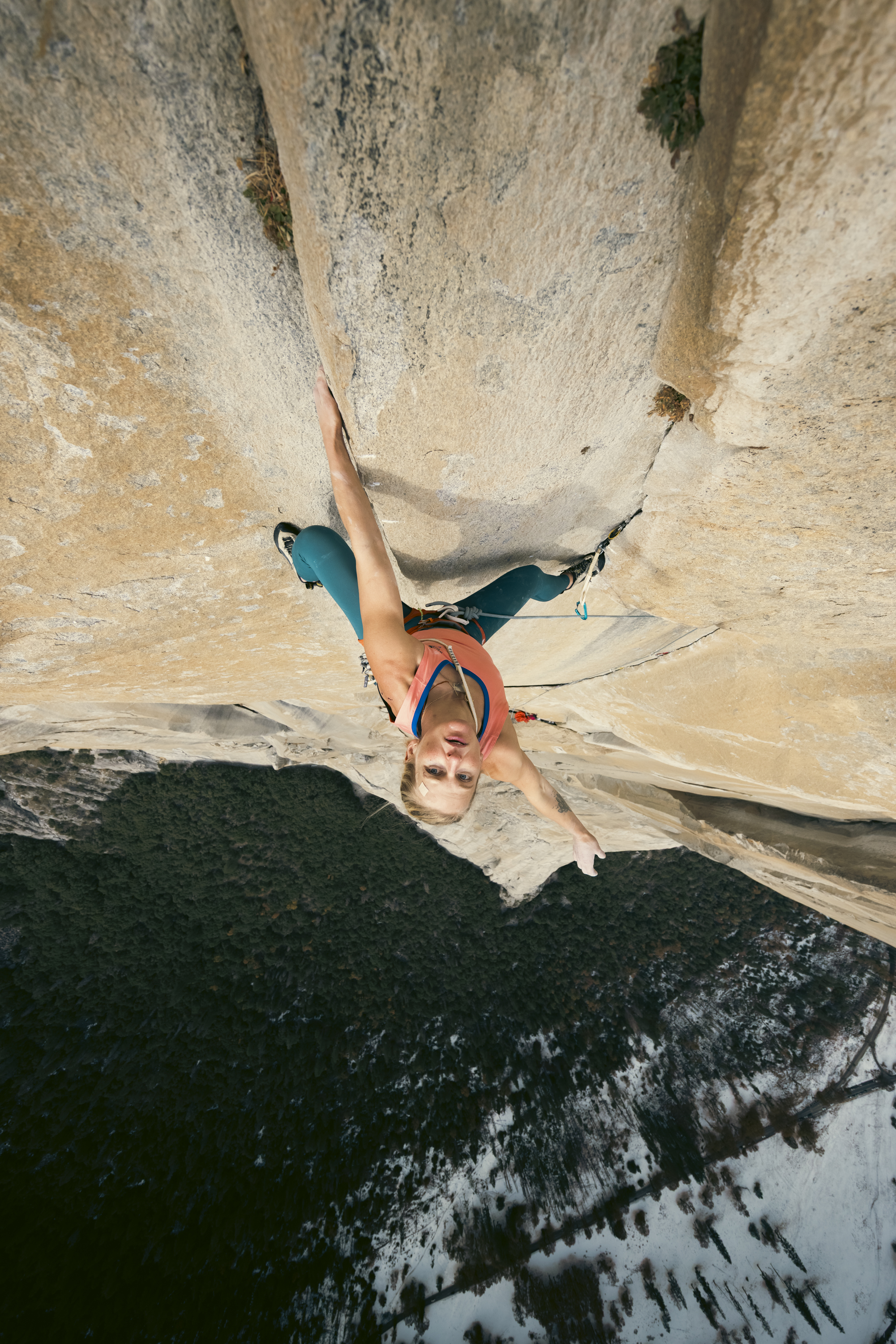
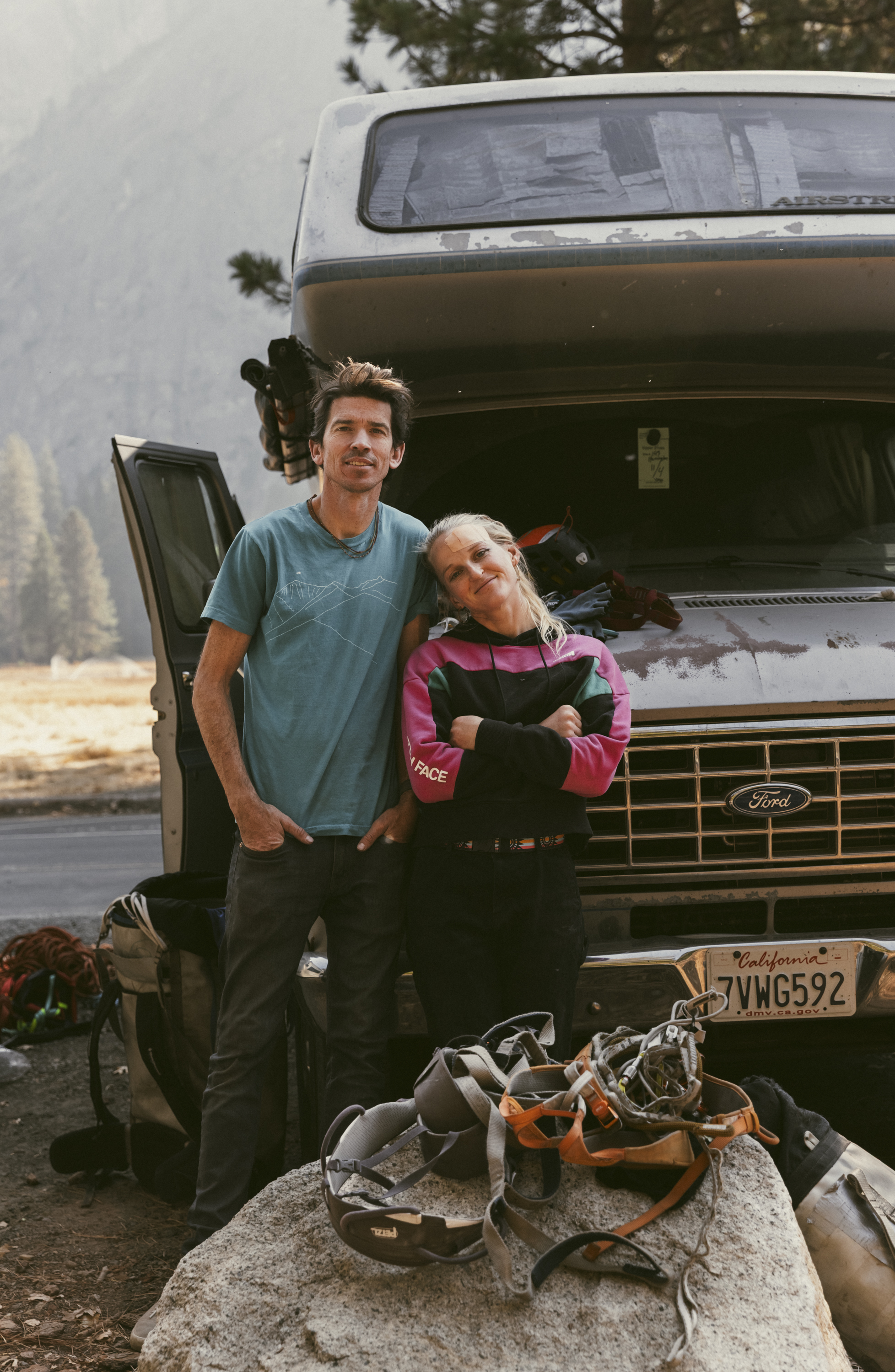
The documentary acts as a who’s-who of climbing legends—like Lynn Hill, Conrad Anker, Tommy Caldwell, and of course Hilaree Nelson, who you refer to as a big sister in the final moments—but also deeply features your partner, Adrian, and your parents. How vital was it for you that the film captured the community and family support required to achieve a solo milestone like this?
One of the major themes of the film is friendship, trust, and support. I think for people who don’t climb it is often perceived as this very individual endeavor, but it’s rarely ever like that for most of us. Climbing is such a community-driven and support-focused activity. We almost always have someone on the other end of the rope, someone (or many people) cheering us on, uplifting us, being our teammate. It’s a crucial part of the sport and it was so critical to me that the film highlights that aspect because I think it’s been a bit overlooked in the past.
A huge thank you to Emily Harrington for taking the time to speak with us and sharing her incredible story.
Girl Climber officially lands on Netflix this Wednesday, September 16th. Be sure to set your reminders, add it to your Watch List, and prepare for one of the most gripping sports documentaries of the year.